

Description
African Tulip Magnolia Tree Seeds – Spathodea campanulata, “Flame of the Forest”
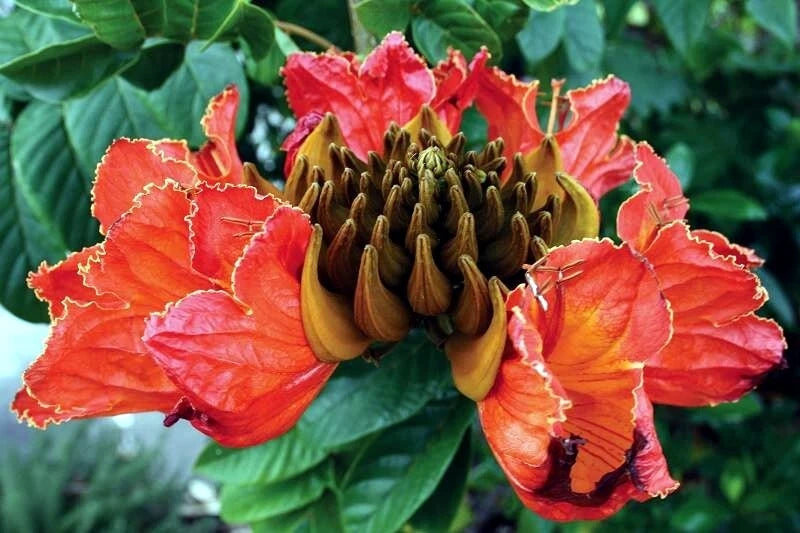
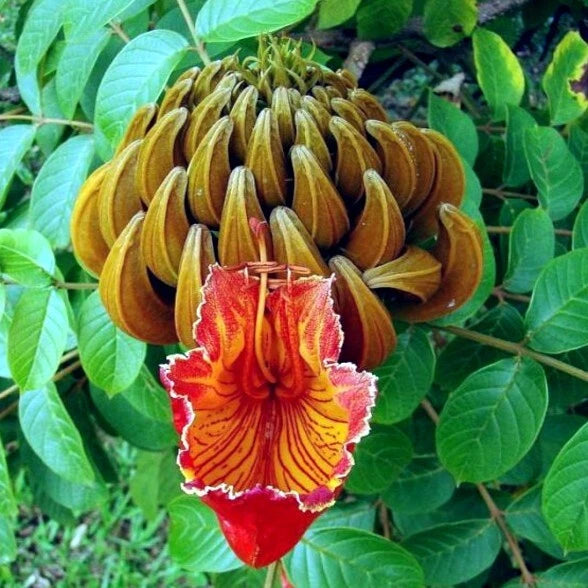
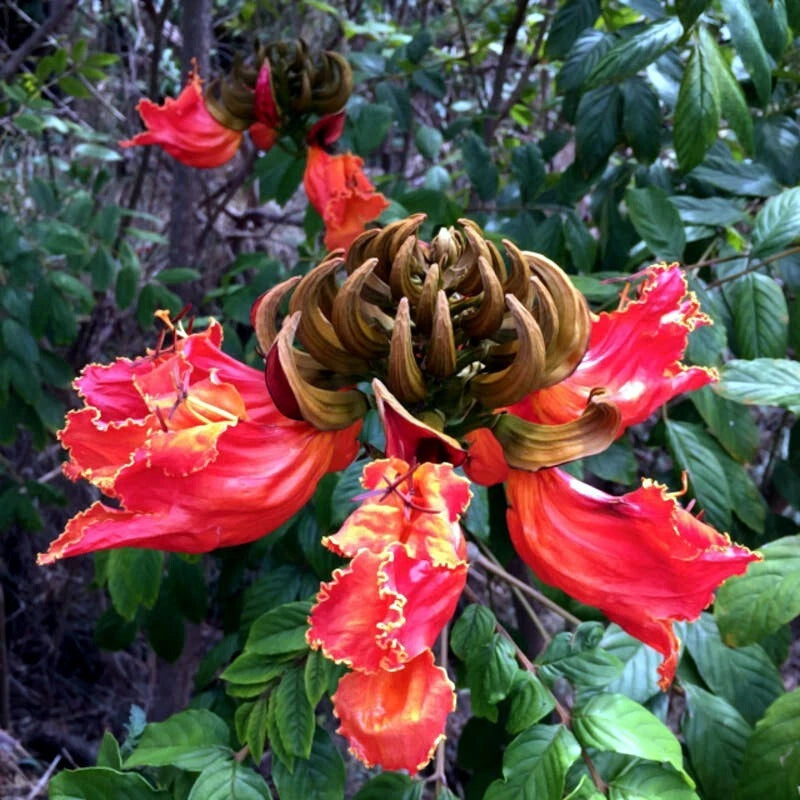
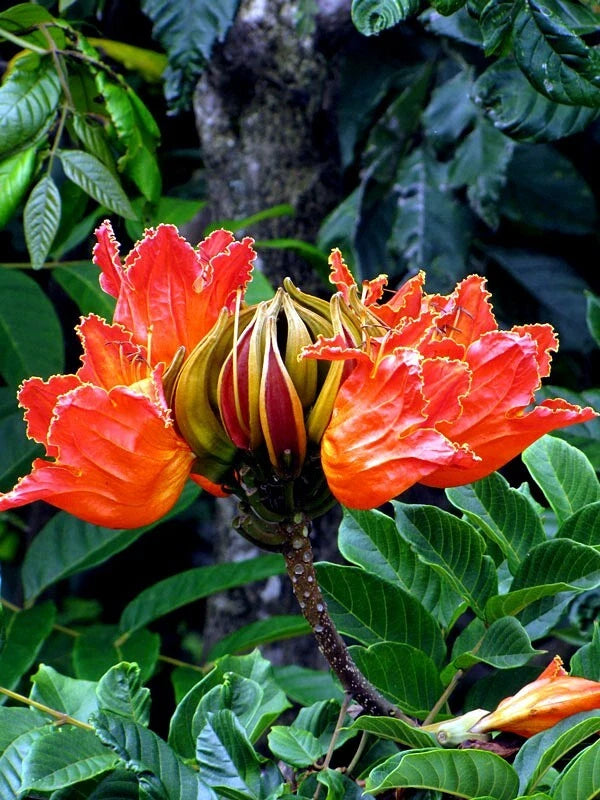
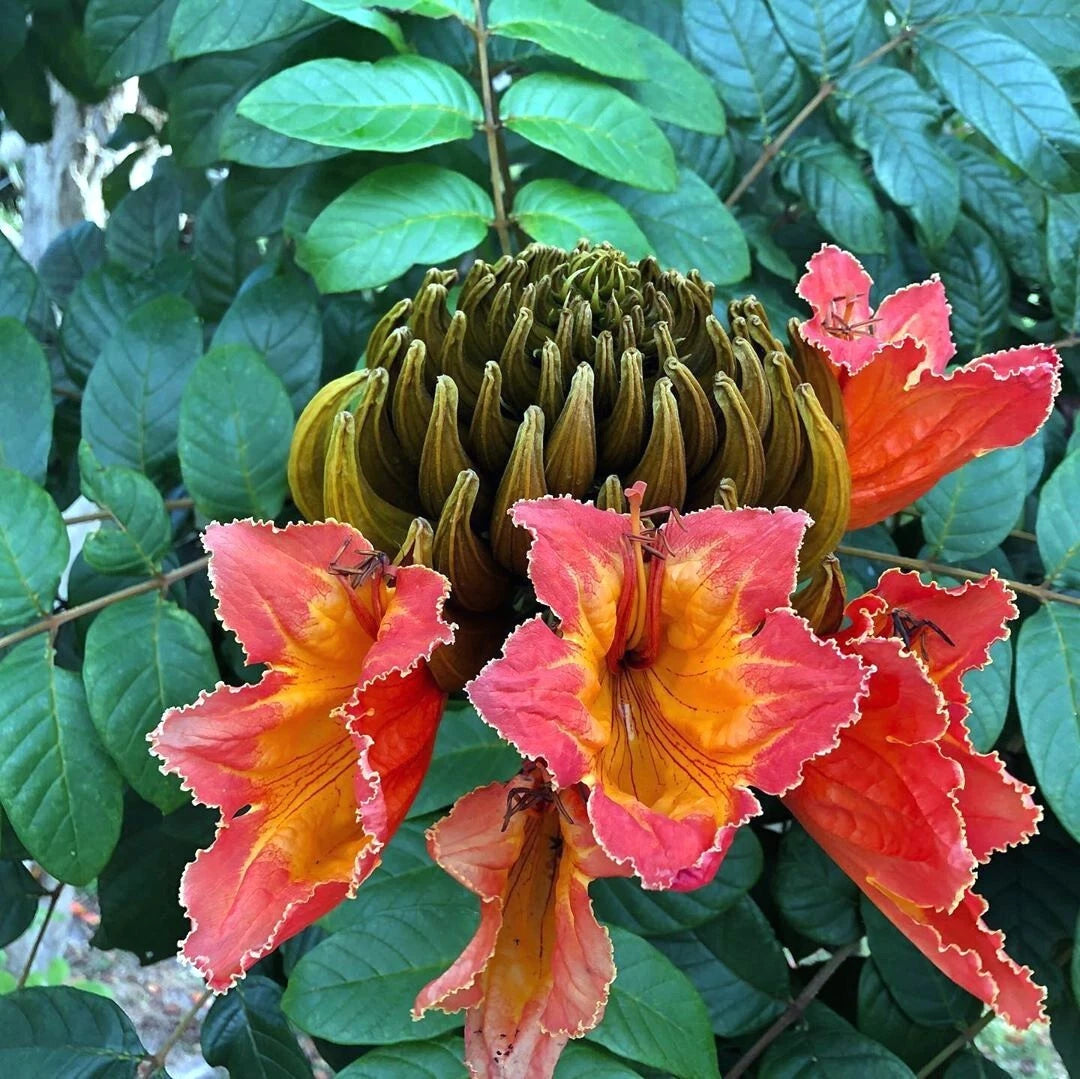
Bring the dramatic beauty of tropical Africa into your garden with African Tulip Magnolia Tree Seeds (Spathodea campanulata), commonly known as the Flame of the Forest. Famous for its vivid orange-red, trumpet-shaped flowers, this ornamental tree creates a striking visual impact while attracting birds and pollinators, making it perfect for landscapes, tropical gardens, or container planting.
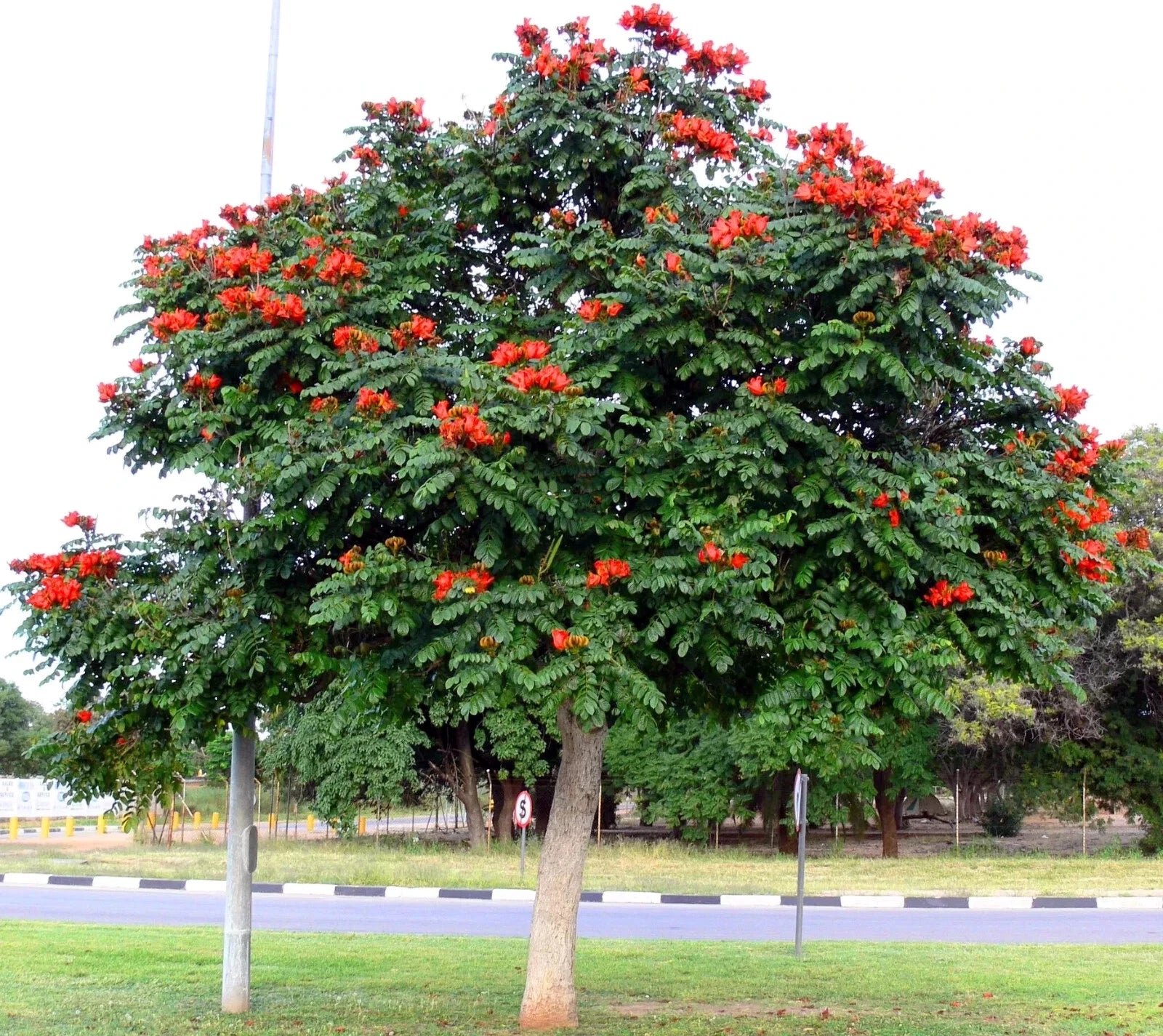
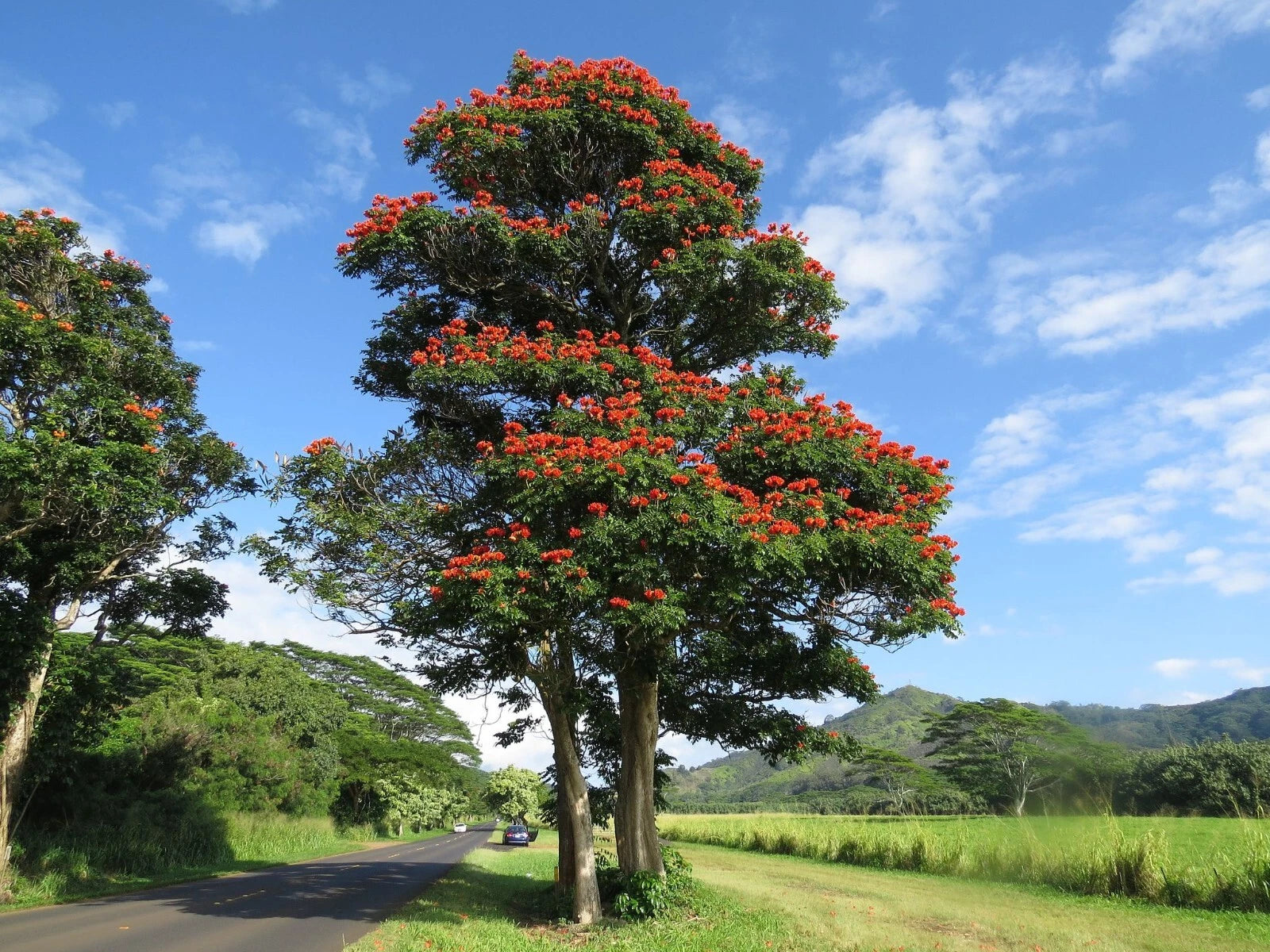
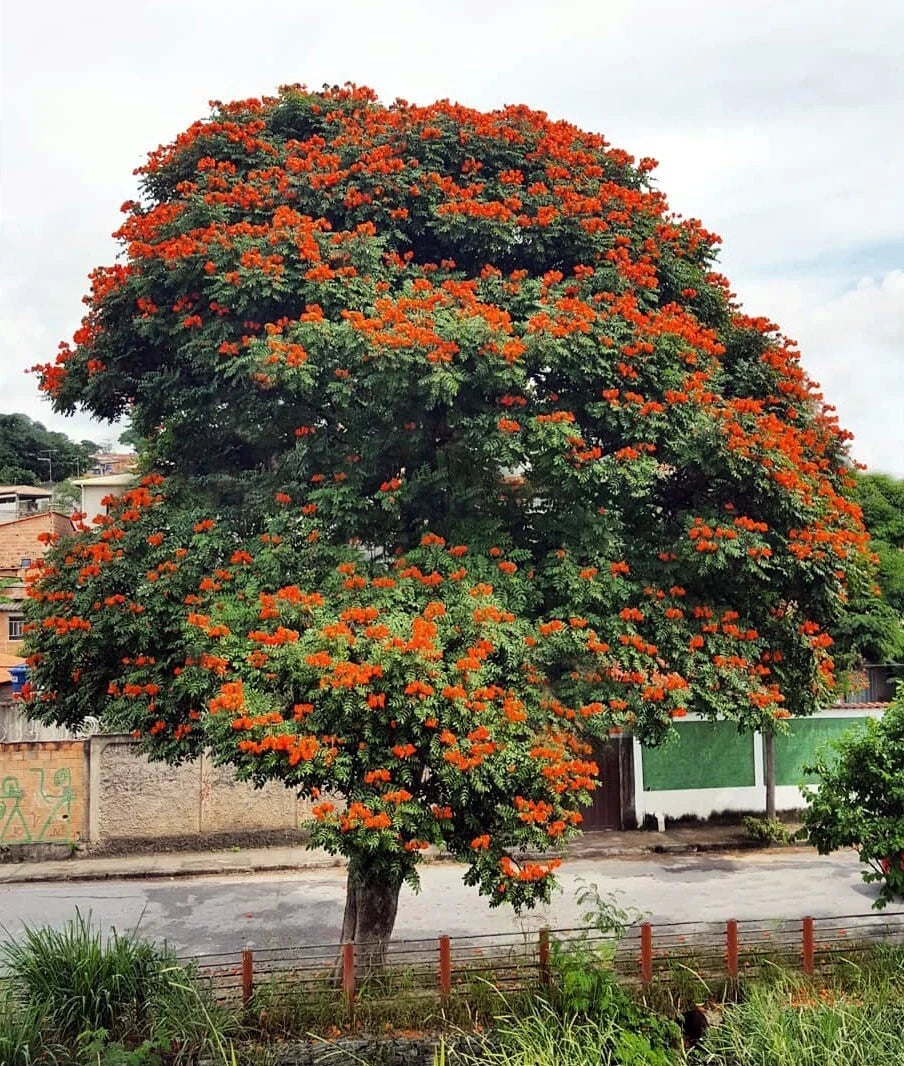
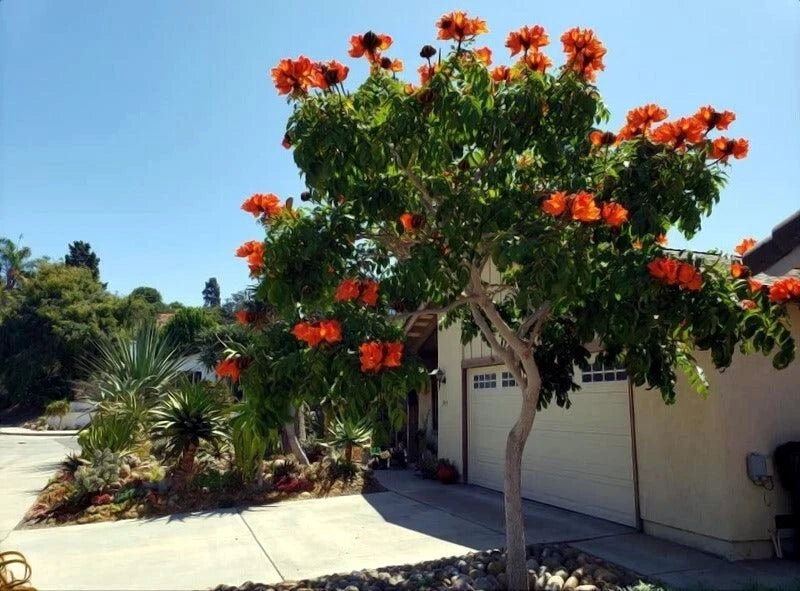
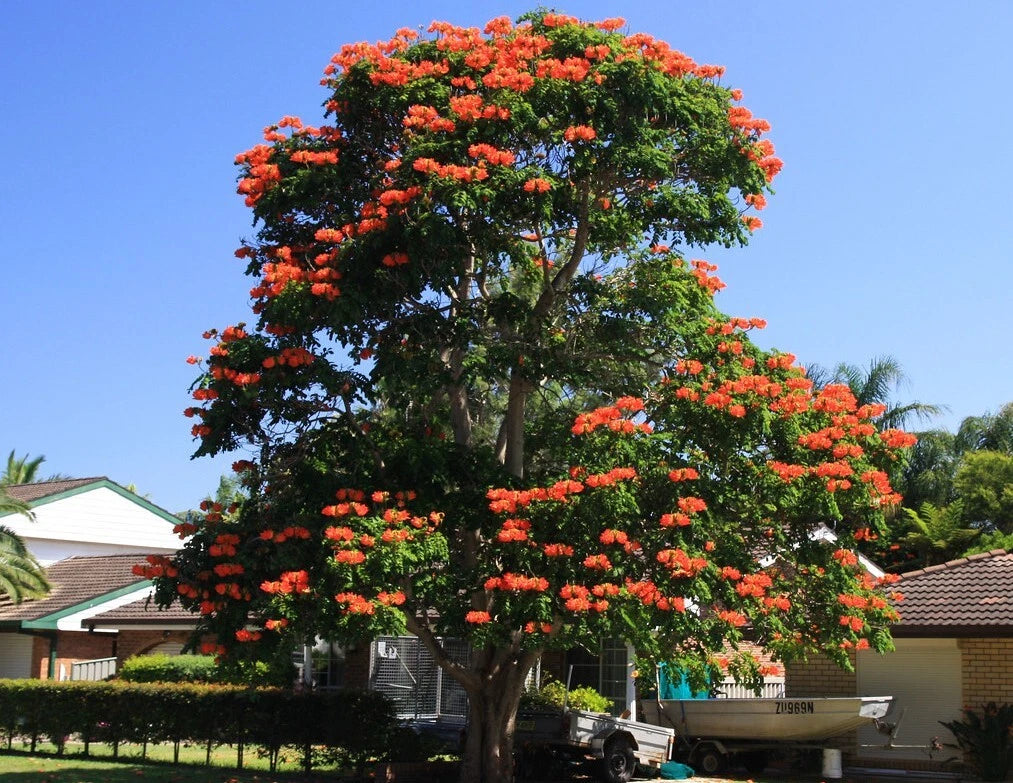
This fast-growing, evergreen tree produces lush green foliage and blooms profusely in the warm season, creating a spectacular canopy of fiery flowers. Native to West Africa, the Flame of the Forest thrives in full sun and well-draining soil, and is suitable for USDA Zones 10–11. When grown in cooler climates, it can also be cultivated in large containers and brought indoors during colder months.
🌿 Key Features:
-
Flower Color: Vivid orange-red, trumpet-shaped blooms
-
Foliage: Glossy, dark green leaves
-
Height: 30–60 feet (mature tree)
-
Hardiness: USDA Zones 10–11; container-friendly for colder climates
-
Sun: Full sun
-
Soil: Well-draining, tolerates a variety of soils
-
Water: Moderate; regular watering during dry periods
-
Wildlife: Attracts nectar-feeding birds and pollinators
Why Grow African Tulip Magnolia?
-
Dramatic, tropical appearance with long-lasting, vibrant blooms
-
Fast-growing and visually striking canopy for gardens or containers
-
Attracts birds, pollinators, and adds biodiversity to your landscape
-
Hardy, low-maintenance, and highly ornamental
Grow your own Flame of the Forest from seeds and enjoy the bold beauty of Spathodea campanulata in your garden or indoor collection.
African Tulip Tree Germination:
"Plant more than needed as germination of African Tulip Tree seeds is only 50% when kept at 80 degrees F"
1) Place the seeds in a shallow glass bowl, and cover them with lukewarm water. Soak the seeds for 48 hours, and then drain the water from the seeds. Growing an African tulip tree from seed is not difficult. However, either purchased or gathered seed germination is erratic, and approximately 50 percent of the small seeds will not germinate.
2) Prepare a seed-planting soil mixture by combining equal parts of potting soil, organic compost and peat moss. Mix the materials until the mix is loose and crumbly. Fill nursery planting trays with the planting mixture. Water the soil and allow it to drain. The soil should be moist but not soggy.
3) Scatter the African tulip tree seeds evenly over the surface of the soil and press down gently. Do not cover with additional soil, because the seeds require light to germinate. Using a spray bottle, mist the surface of the soil lightly with water. Cover each planting tray with a clear dome lid to retain moisture, and place the trays in a warm location. The trays should be located in an area with abundant light. Avoid direct sunlight, which can burn the tender young seedlings. Keep the tree seeds evenly moist by misting with water daily. The seeds germinate quickly, often as early as two weeks after planting.
4) Remove the plastic domes covering the seed trays when the seeds have germinated. Remove the weakest seedlings to provide room for the strongest plants to develop. Cut off week seedlings at the soil level with shears; pulling out the dead seedlings can damage the roots of nearby healthy plants. Keep the soil evenly moist until the seedlings are about 2 to 3 inches tall and have developed two leaves.
5) Select the strongest seedlings for transplanting to a container for outdoor growing. African tulip trees may also be grown indoors in a sunny location. Plant the tender young seedlings, one to a pot. Use 8-inch pots to start your new African tulip tree seedlings. Transplant to larger pots as the plants mature. When a tree is approximately 2 feet tall, the potted plant may be moved to a sunny outdoor location.
"Please Contact us First if you Need Anything"
Germinación del tulipán africano:
"Plante más de lo necesario, ya que la germinación de las semillas del tulipán africano es solo del 50 % cuando se mantiene a 80 grados F"
1) Coloque las semillas en un recipiente de vidrio poco profundo y cúbralas con agua tibia. Remoje las semillas durante 48 horas y luego escurra el agua de las semillas. Cultivar un tulipán africano a partir de semillas no es difícil. Sin embargo, la germinación de las semillas compradas o recolectadas es errática y aproximadamente el 50 por ciento de las semillas pequeñas no germinarán.
2) Prepare una mezcla de tierra para plantar semillas combinando partes iguales de tierra para macetas, abono orgánico y turba. Mezcle los materiales hasta que la mezcla esté suelta y desmenuzada. Llene las bandejas de plantación del vivero con la mezcla de plantación. Riegue la tierra y déjela drenar. La tierra debe estar húmeda pero no empapada.
3) Distribuya las semillas del tulipán africano de manera uniforme sobre la superficie de la tierra y presione suavemente. No cubra con tierra adicional, porque las semillas necesitan luz para germinar. Con un rociador, rocíe ligeramente la superficie del suelo con agua. Cubra cada bandeja de plantación con una tapa transparente en forma de domo para retener la humedad y coloque las bandejas en un lugar cálido. Las bandejas deben ubicarse en un área con abundante luz. Evite la luz solar directa, que puede quemar las tiernas plántulas jóvenes. Mantenga las semillas de los árboles uniformemente húmedas rociándolas con agua todos los días. Las semillas germinan rápidamente, a menudo tan pronto como dos semanas después de la plantación.
4) Retire las cúpulas de plástico que cubren las bandejas de semillas cuando las semillas hayan germinado. Retire las plántulas más débiles para dejar espacio para que se desarrollen las plantas más fuertes. Corte las plántulas débiles al nivel del suelo con tijeras; arrancar las plántulas muertas puede dañar las raíces de las plantas sanas cercanas. Mantenga la tierra uniformemente húmeda hasta que las plántulas tengan aproximadamente de 2 a 3 pulgadas de alto y hayan desarrollado dos hojas.
5) Seleccione las plántulas más fuertes para trasplantarlas a un recipiente para cultivar al aire libre. Los árboles de tulipán africano también se pueden cultivar en interiores en un lugar soleado. Plante las plántulas tiernas jóvenes, una por maceta. Use macetas de 8 pulgadas para comenzar sus nuevas plántulas de tulipán africano. Trasplantar a macetas más grandes a medida que las plantas maduren. Cuando un árbol alcance aproximadamente 60 cm de altura, la planta en maceta se puede trasladar a un lugar soleado al aire libre.
"Comuníquese con nosotros primero si necesita algo"