


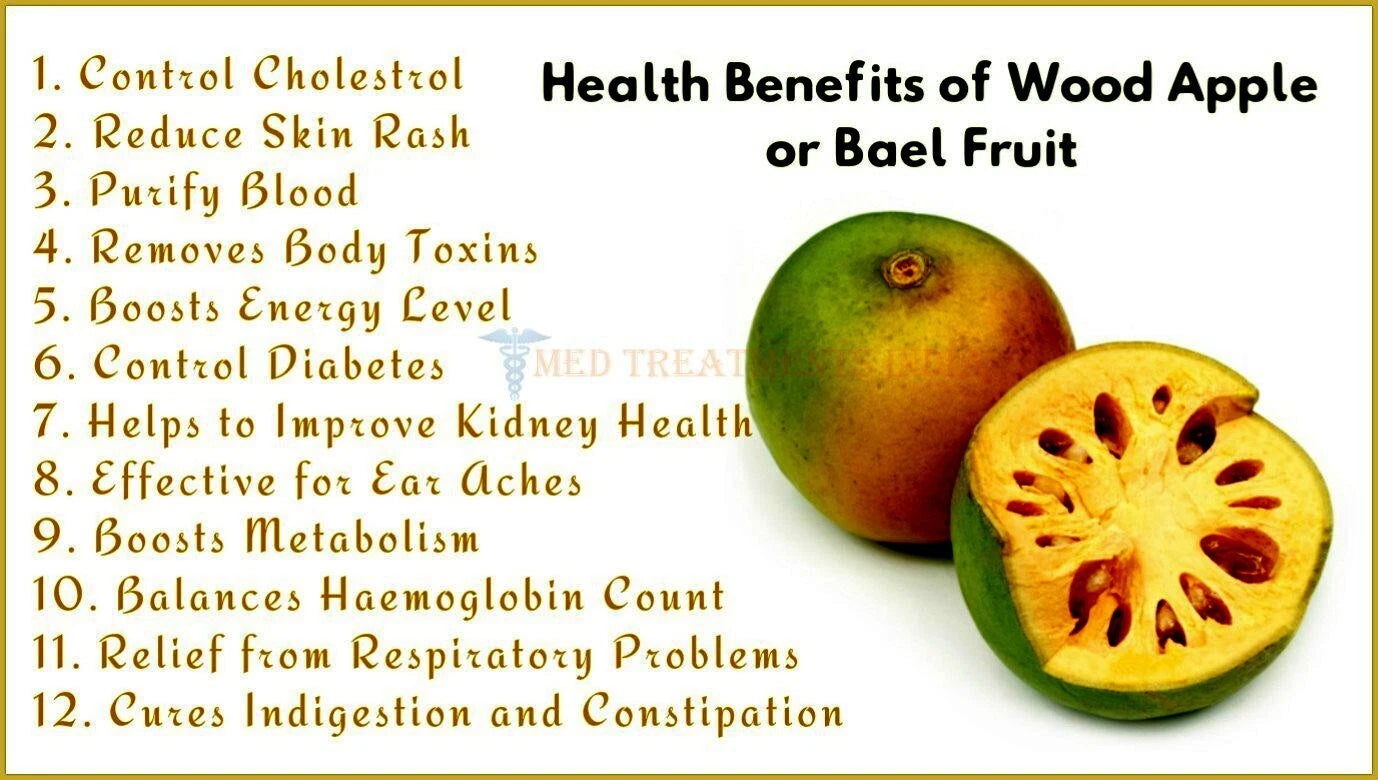


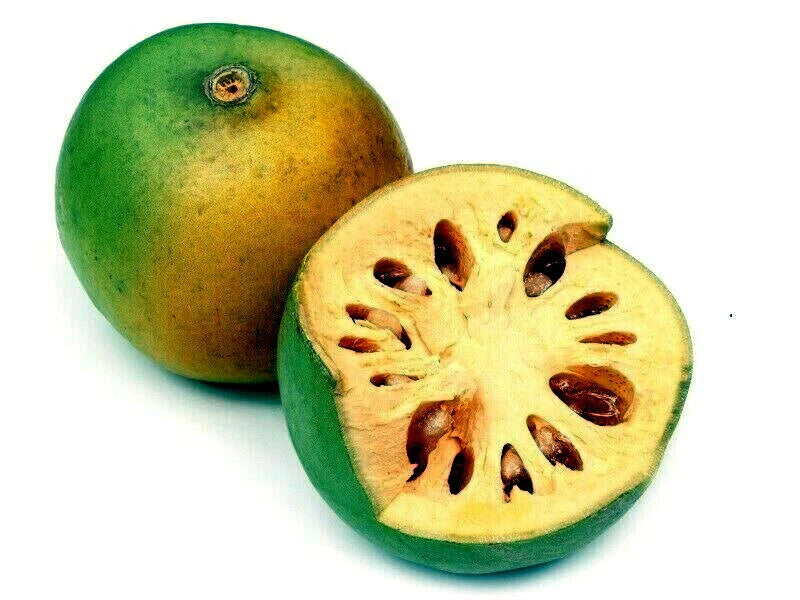


Description
Bael Fruit Tree Seeds (Aegle marmelos) – Bengal Quince / Stone Apple Plant
Grow your own Bael fruit tree, a sacred and medicinal plant with a rich history of over 5,000 years in Southeast Asia and India. Also called Bengal Quince or Stone Apple, this unique tree is valued for its aromatic, sweet fruit, edible pulp, and traditional medicinal uses.
Key Features
-
Scientific Name: Aegle marmelos
-
Common Names: Bael, Bel, Bengal Quince, Stone Apple
-
Native To: India & Bangladesh; naturalized across Southeast Asia
-
Plant Type: Fruit tree, medicinal plant
-
Zones: 10–12 for outdoor cultivation; thrives indoors in any climate
-
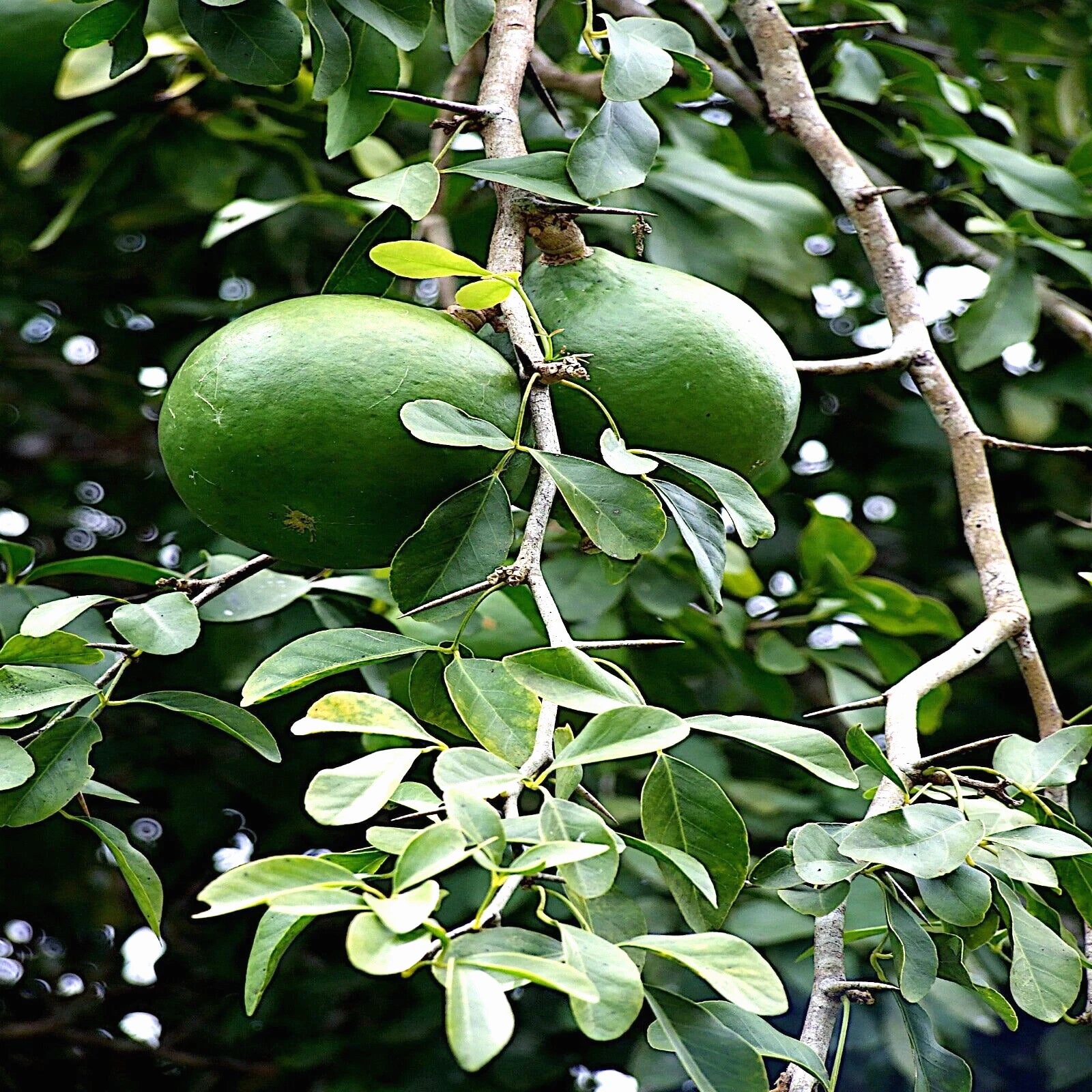
Growth Habit: Small to medium-sized tree with spiny branches, alternate compound leaves, and white, fragrant flowers in panicles
Nutritional & Medicinal Benefits
-
Rich in Nutrients: Per 100g of pulp – 2.9g fiber, 85mg calcium, 1.2mg vitamin B2, 91 IU vitamin A
-
Cooling & Refreshing: Fruit pulp and juice naturally combat summer heat
-
Traditional Uses: Unripe fruit dried for digestive remedies; ripe fruit is sweet, aromatic, and edible
-
Cultural Significance: Frequently planted near temples as a sacred tree in Hinduism
Fruit & Tree Characteristics
-
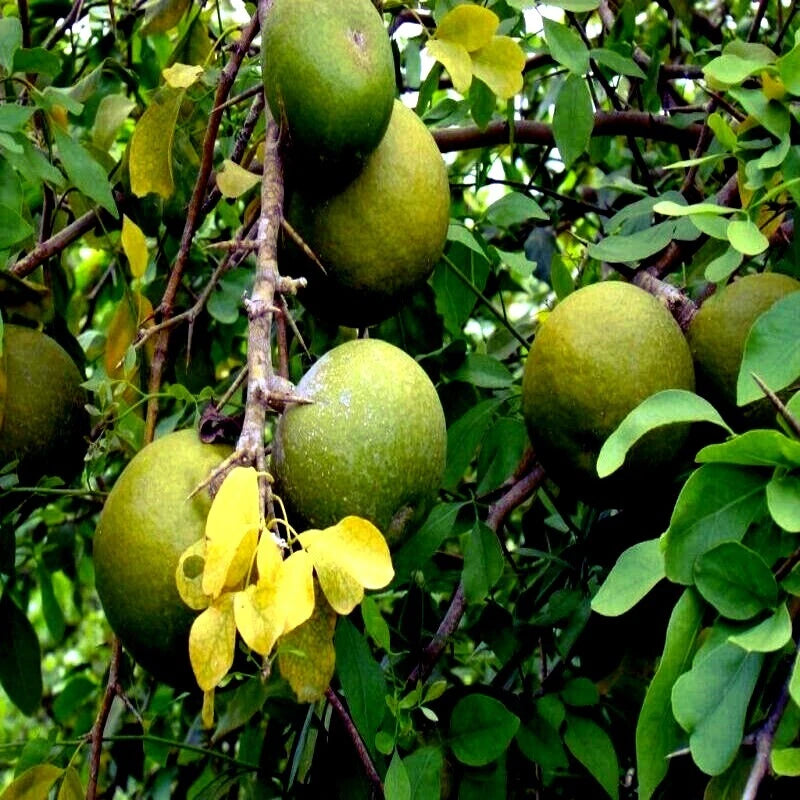
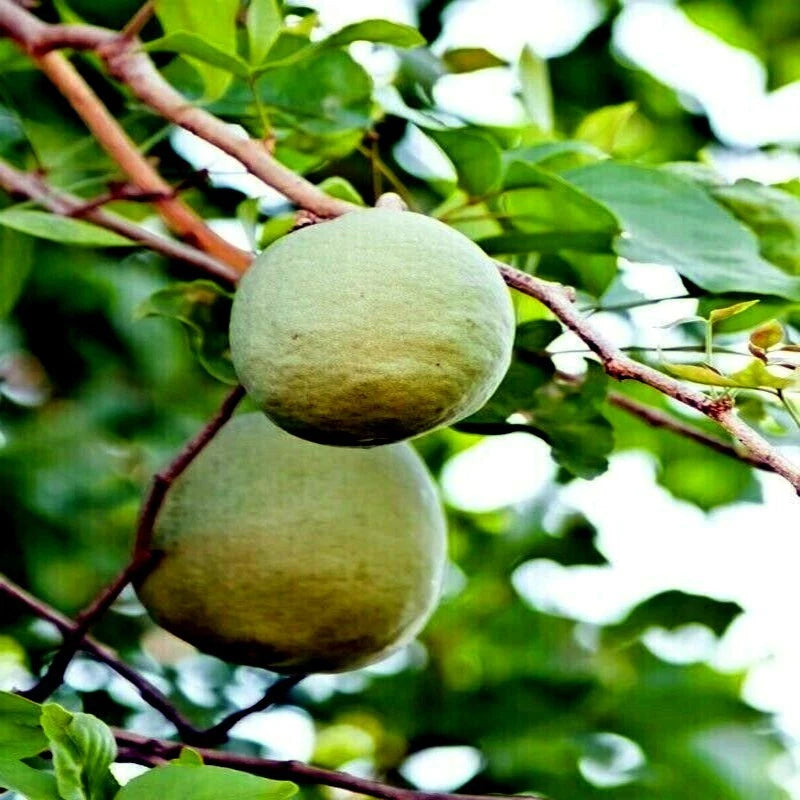
Fruit Shape & Size: Pyriform (pear-shaped) to oblong, 5–25 cm (2–10 in) diameter
-
Rind: Very hard, woody, gray or yellow
-
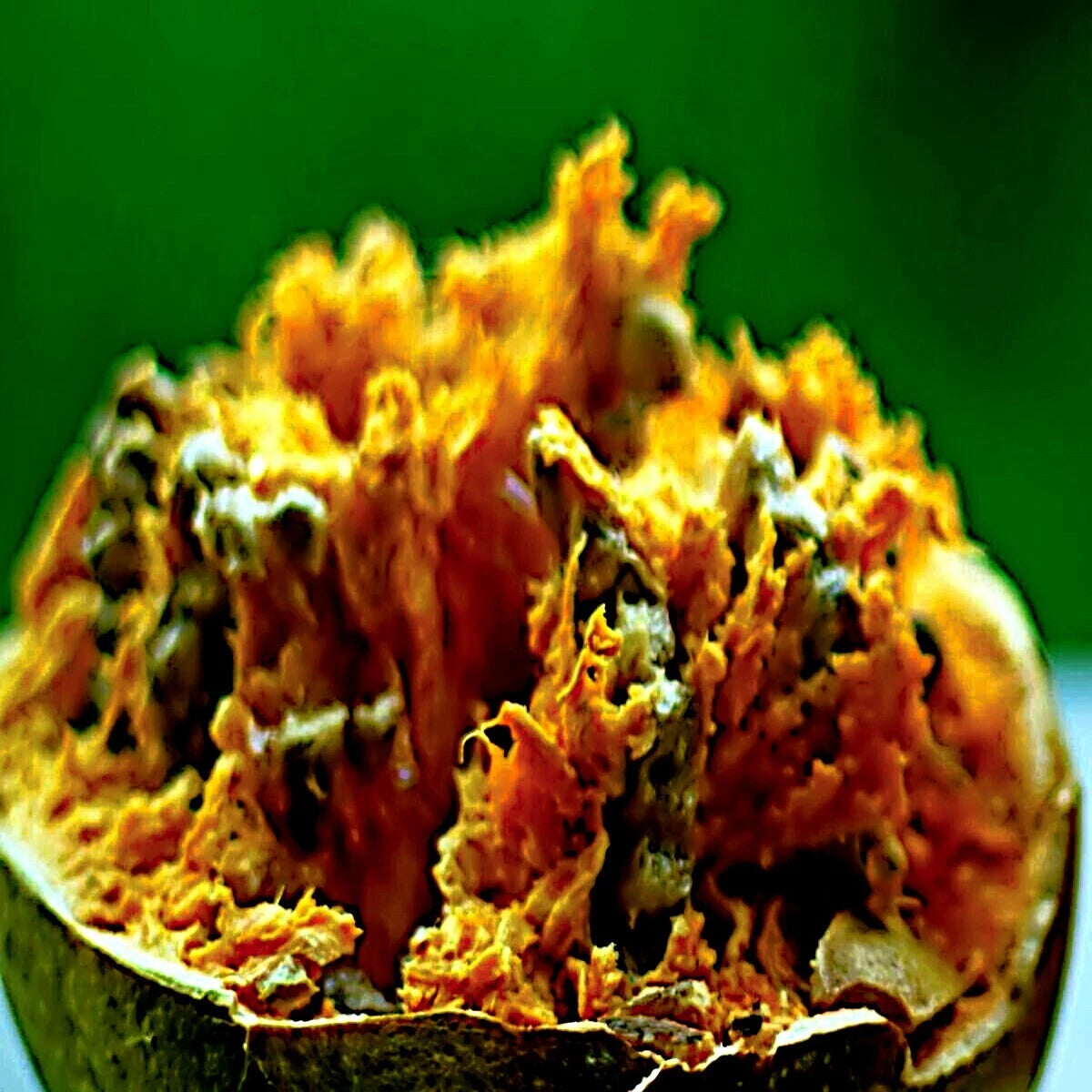
Pulp: Thick, sweet, orange-colored, edible
-
Wood: Yellowish-white, hard but not durable
Growing Tips
-
Soil: Tolerant of all soil types
-
Climate: Can grow indoors in any climate; outdoors in Zones 10–12
-
Care: Thrives with regular watering and full to partial sun
Plant your Bael fruit tree today and enjoy a combination of unique edible fruits, ornamental beauty, and cultural heritage right in your garden.
Bael Germination:
1) Soak seeds for 12 hours.
2) Use a heated propagator to keep the soil at appx. 85-90 degrees F at all times.
3) Use a 50% sand, mixed with 50% well draining seed starting mix for optimal germination.
4) Dig a hole, 2-inches deeper in the soil for sowing seed. Water it regularly to keep moist at all times, but make sure not to overwater as it will rot the seeds. Mulch the soil with some dried leaves to conserve its moisture. Or, use a piece of plastic with a few small holes cut in it to maintain High Humidity.
5) Germination is erratic as with any tropical seeds, so don't toss out any that don't sprout first as they will all sprout at different times. Some may sprout within 1-3 weeks, but expect most of them to sprout anytime between 4-6 weeks as long as they are provided optimal conditions.
"Please Contact us First if you need Anything"
Germinación de Bael:
1) Remoje las semillas durante 12 horas.
2) Use un propagador calentado para mantener la tierra a aproximadamente 85-90 grados F en todo momento.
3) Use 50% de arena, mezclada con 50% de mezcla de semillas con buen drenaje para una germinación óptima.
4) Cave un hoyo, 2 pulgadas más profundo en la tierra para sembrar las semillas. Riéguela regularmente para mantenerla húmeda en todo momento, pero asegúrese de no regar en exceso ya que pudrirá las semillas. Cubra la tierra con algunas hojas secas para conservar su humedad. O use un trozo de plástico con algunos agujeros pequeños cortados para mantener una humedad alta.
5) La germinación es errática como con cualquier semilla tropical, así que no deseche ninguna que no brote primero ya que todas brotarán en diferentes momentos. Algunas pueden brotar en 1 a 3 semanas, pero espere que la mayoría brote en cualquier momento entre 4 y 6 semanas, siempre que se les proporcionen condiciones óptimas.