




Description
Chilean Wine Palm Seeds – Jubaea chilensis, Largest Palm in the World, Hardy to Zone 8
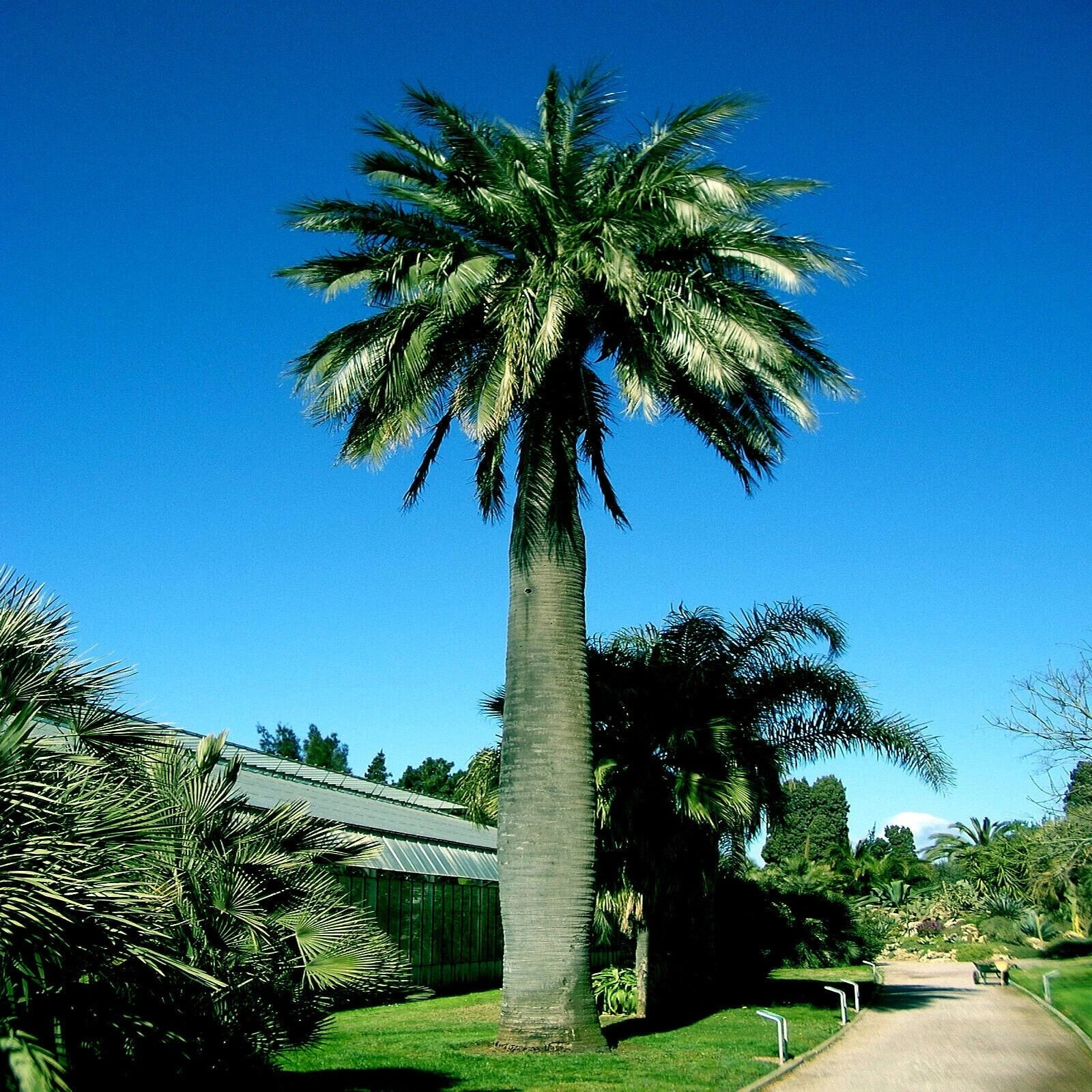
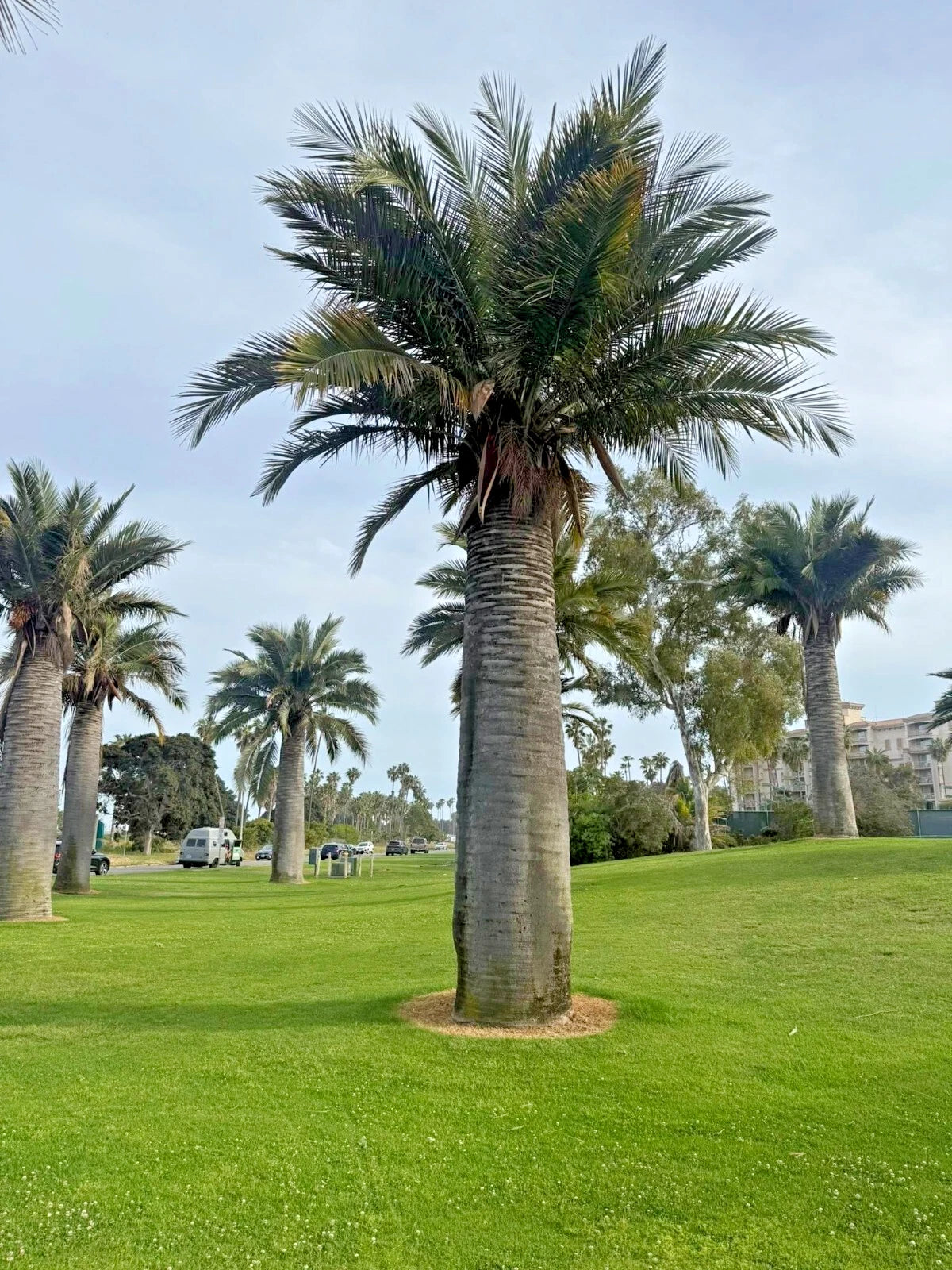
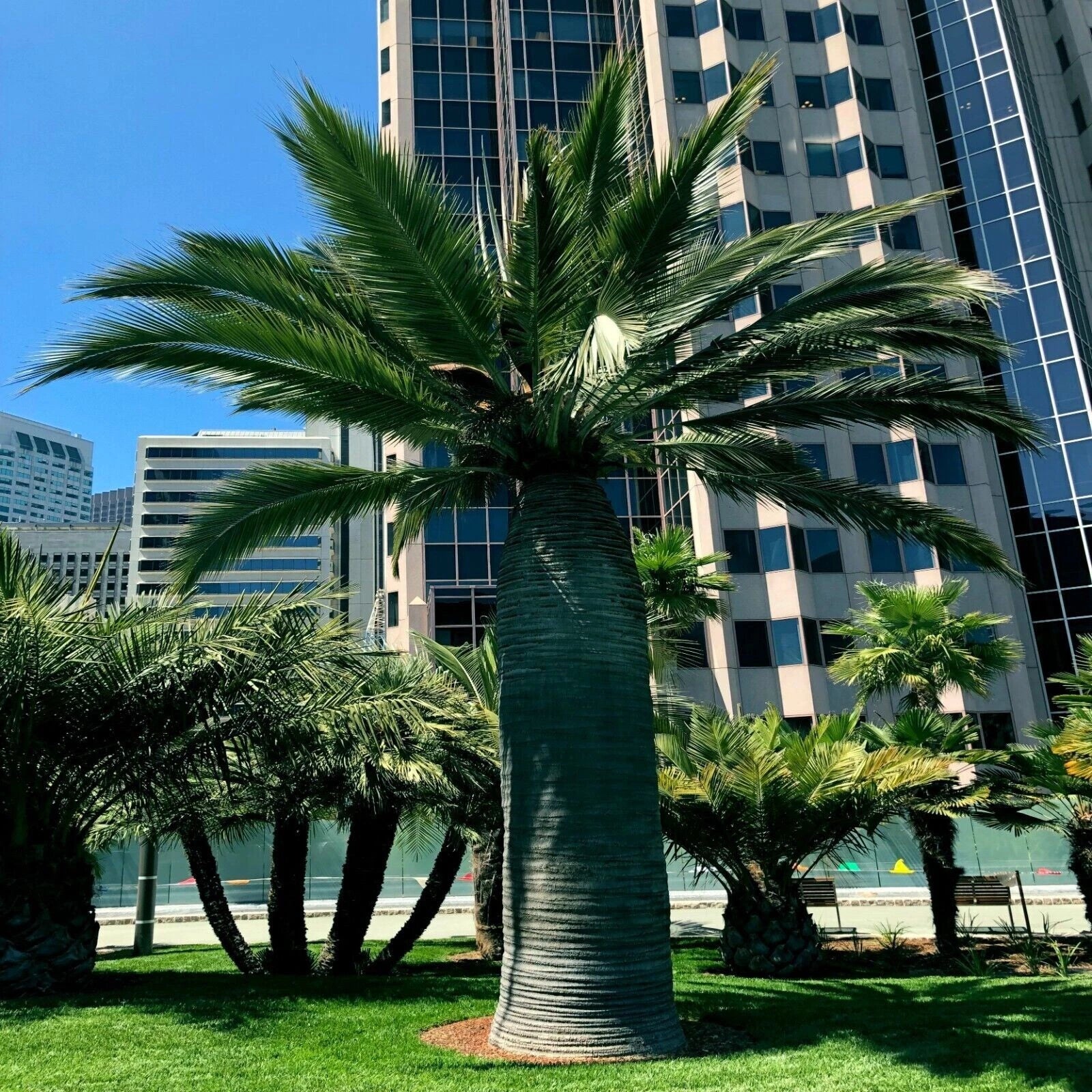
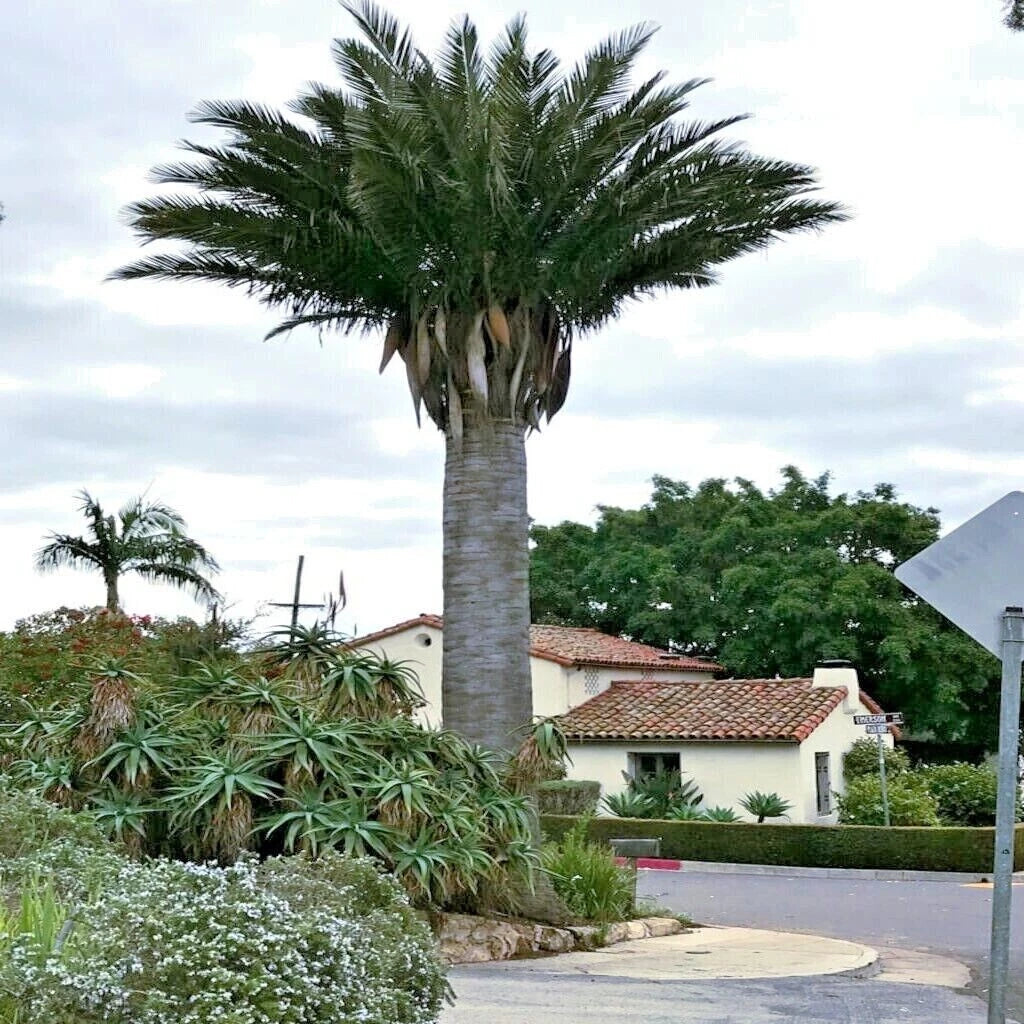
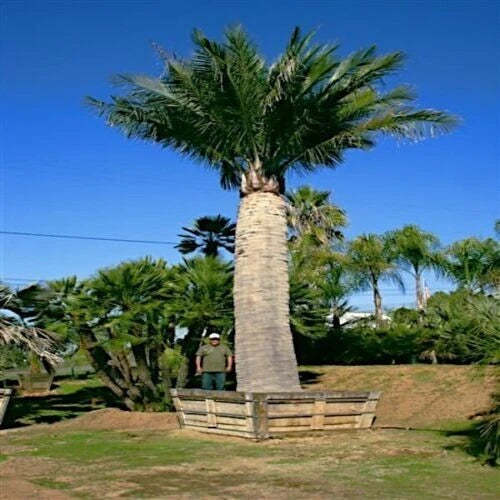
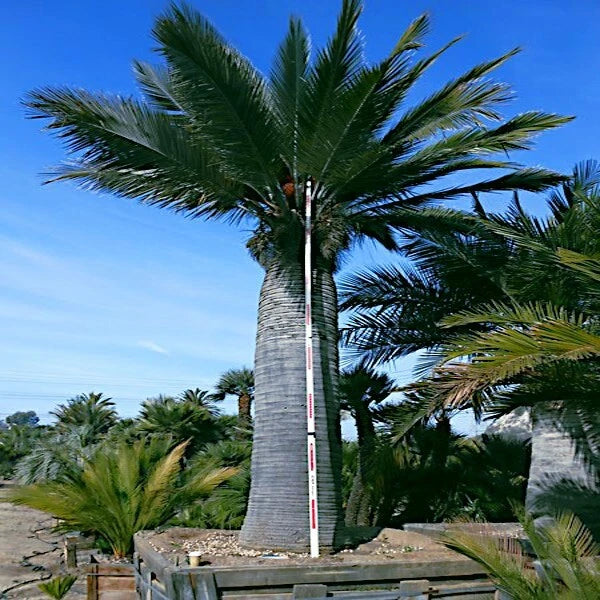
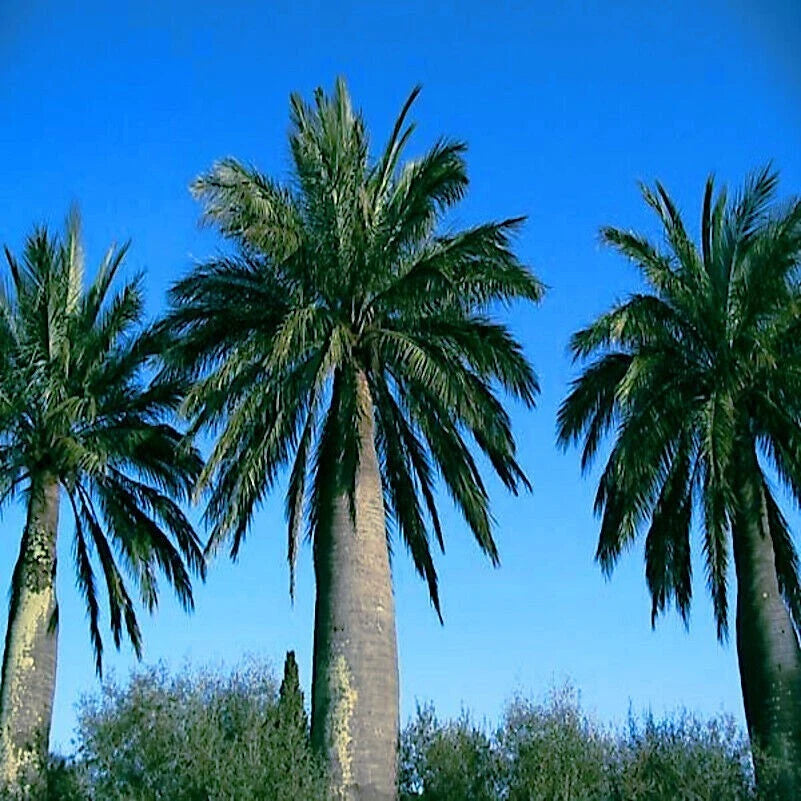
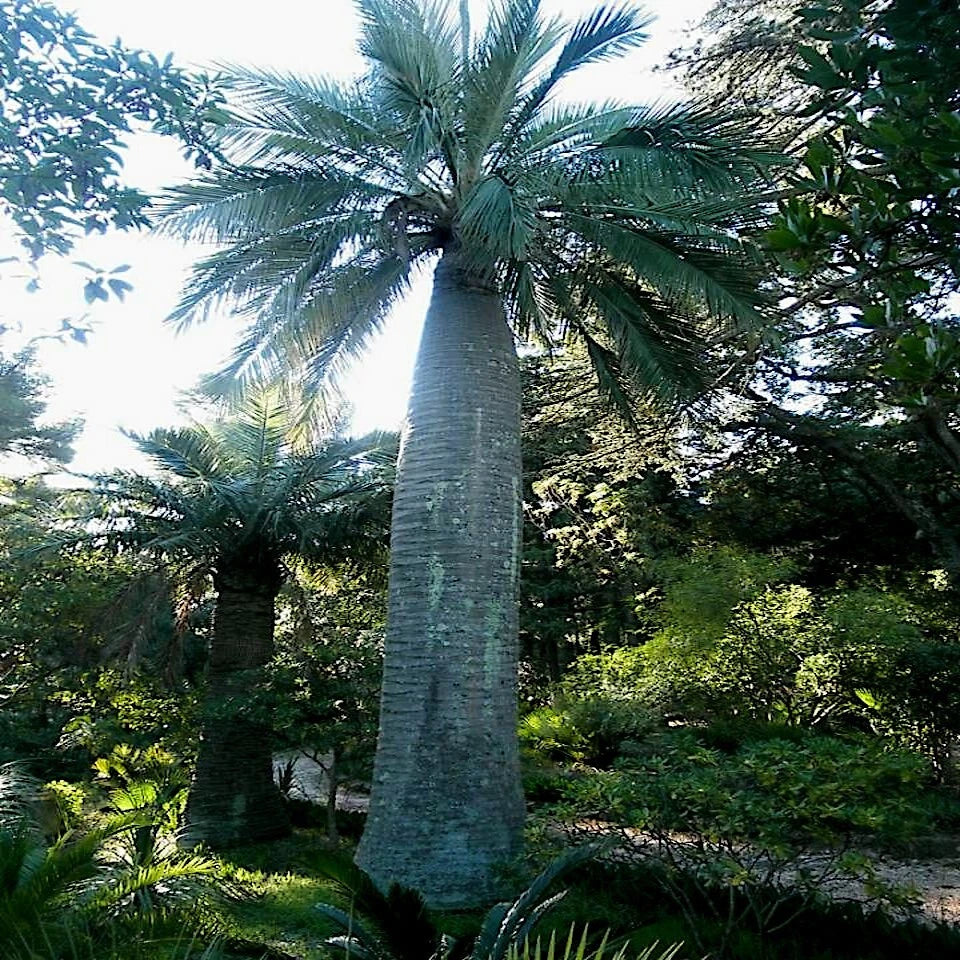
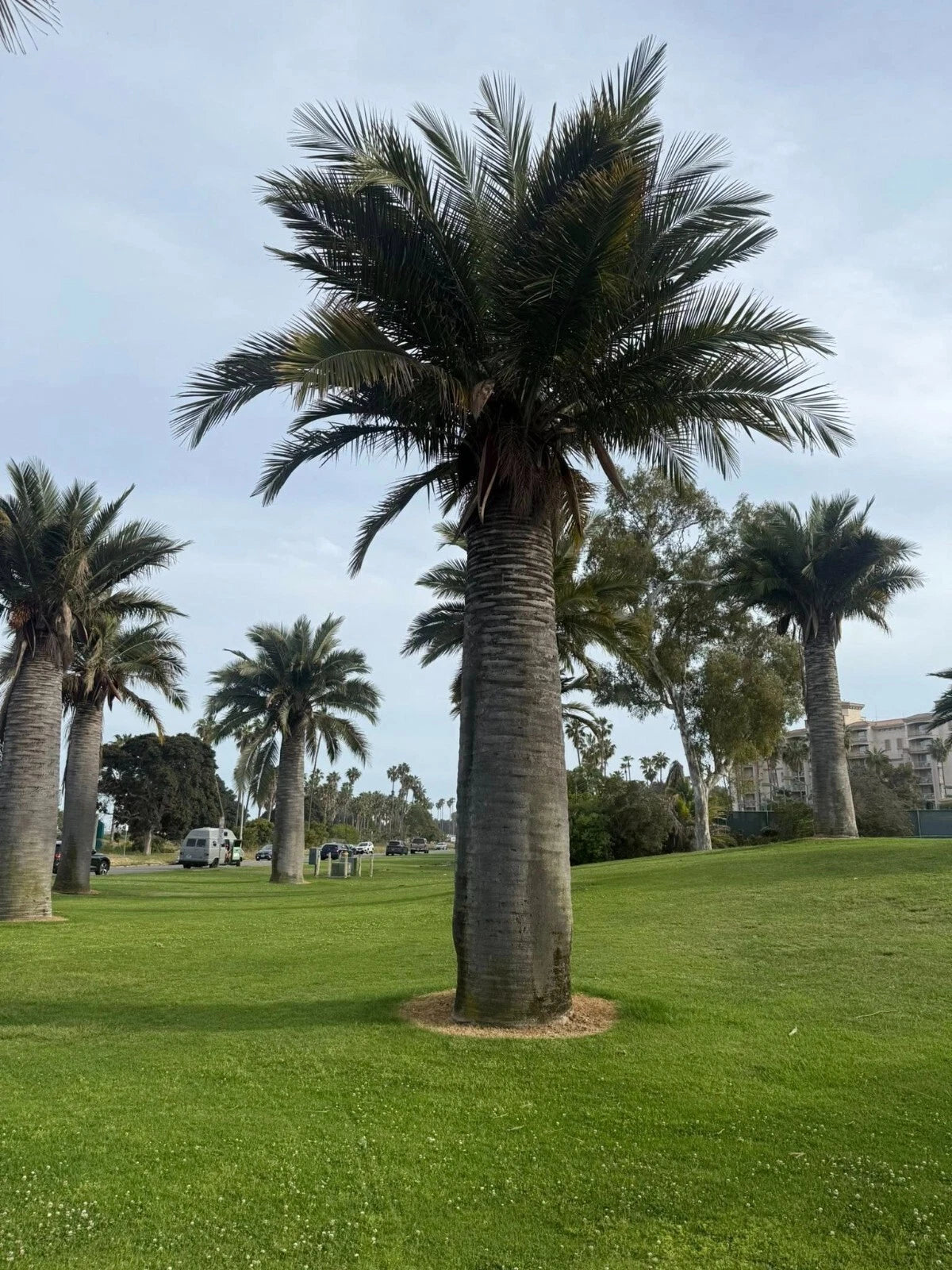
Grow the Chilean Wine Palm (Jubaea chilensis), also known as the Coquito Palm or Chilean Cocopalm, one of the largest and most cold-hardy palm species in the world. This majestic palm can reach up to 60 feet tall with a trunk up to 6 feet in diameter (3–4 feet is more typical), making it a dramatic addition to temperate or subtropical landscapes.
The Chilean Wine Palm is remarkably cold-tolerant, surviving brief exposures down to 5°F (-15°C), though some leaf burn may occur in extreme cold. Best grown in well-draining soil, these palms do not tolerate salty conditions—avoid planting near oceans or using salty water. They are also adaptable to clay soils, as long as the roots are not waterlogged.
🌿 Key Features:
-
Botanical Name: Jubaea chilensis
-
Common Names: Chilean Wine Palm, Coquito Palm, Chilean Cocopalm
-
Height: Up to 60 feet (mature)
-
Trunk Diameter: 3–6 feet
-
Hardiness: USDA Zones 8–10; cold-tolerant down to ~5°F (-15°C)
-
Soil: Well-draining, tolerates clay but avoid standing water
-
Sun: Full sun for optimal growth
-
Water: Moderate; avoid waterlogged roots
-
Special Notes: Not salt-tolerant; best for inland temperate or subtropical areas
Why Grow Chilean Wine Palm?
-
One of the largest and most iconic palms in the world
-
Hardy and adaptable to temperate climates (Zones 8–10)
-
Striking, slow-growing specimen ideal for landscaping or ornamental planting
-
Rare and highly collectible for palm enthusiasts
Bring a piece of South American grandeur to your garden with Chilean Wine Palm seeds, a rare and impressive addition for collectors and tropical plant lovers alike.
Chilean Wine Palm Germination:
Here is a link to explain as well:
https://www.google.com/search?q=can+floating+chilean+wine+palm+seed+be+viable%3F&rlz=1C1VDKB_enUS1104US1104&oq=can+floating+chilean+wine+palm+seed+be+viable%3F&gs_lcrp=EgZjaHJvbWUyBggAEEUYOTIHCAEQIRigATIHCAIQIRigATIHCAMQIRigATIHCAQQIRigATIHCAUQIRigATIHCAYQIRirAtIBCTExMDYzajFqN6gCALACAA&sourceid=chrome&ie=UTF-8#fpstate=ive&vld=cid:3b5ce518,vid:ByW095AuKmk,st:0
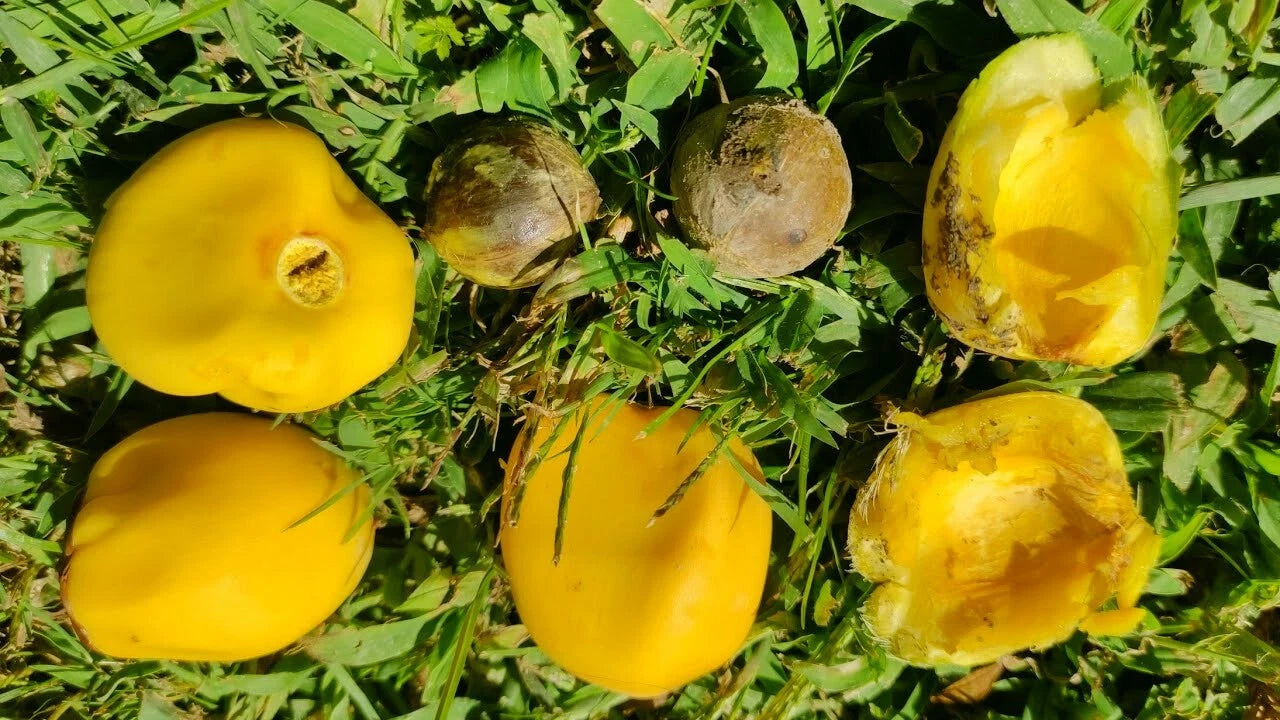
1) Soak seeds in distilled water for 3 days, being sure to change water daily. It's normal for seeds of Chilean Wine palm to float as shown in the video link.
2) Use a mix of 50% sand or perlite, and 50% well mixed and well draining potting soil.
3) Cover the seeds with a thin 1/8" inch of sand.
4) Heat is Very important for Chilean Wine palms so Use a heated propagator to keep seeds at 90 degrees F.
5) Keep moist, but not overly wet. Water once a month with a 15% fungicide solution.
6) Germination is erratic as with all palms, and can occur between 3-6 months. Do not throw out any that do not sprout soon as some can take longer than others and are still good. Also, be sure to periodically inspect seeds from time to time to ensure no mildew or mold occurs. If spotted, clean with a copper based fungicide and rinse well before repotting in a new sterile potting mix.
Germinación de la palma chilena:
Aquí hay un enlace para explicarlo también:
https://www.google.com/search?q=can+floating+chilean+wine+palm+seed+be+viable%3F&rlz=1C1VDKB_enUS1104US1104&oq=can+floating+chilean+wine+palm+seed+be+viable%3F&gs_lcrp=EgZjaHJvbWUyBggAEEUYOTIHCAEQIRigATIHCAIQIRigATIHCAMQIRigATIHCAQQIRigATIHCAUQIRigATIHCAYQIRirAtIBCTExMDYzajFqN6gCALACAA&sourceid=chrome&ie=UTF-8#fpstate=ive&vld=cid:3b5ce518,vid:ByW095AuKmk,st:0
1) Remojar las semillas en agua destilada durante 3 días, asegurándose de cambiar el agua diariamente. Es normal que las semillas de la palma chilena floten como se muestra en el enlace del video.
2) Use una mezcla de 50% de arena o perlita y 50% de tierra para macetas bien mezclada y con buen drenaje.
3) Cubra las semillas con una fina capa de arena de 1/8" de pulgada.
4) El calor es muy importante para las palmas chilenas, así que use un propagador calentado para mantener las semillas a 90 grados F.
5) Manténgalas húmedas, pero no demasiado mojadas. Riegue una vez al mes con una solución de fungicida al 15%.
6) La germinación es errática como con todas las palmas, y puede ocurrir entre 3 y 6 meses. No deseche las que no broten pronto, ya que algunas pueden tardar más que otras y aún están buenas. Además, asegúrese de inspeccionar periódicamente las semillas de vez en cuando para asegurarse de que no se produzca moho ni hongos. Si encuentra manchas, límpielas con un fungicida a base de cobre y enjuáguelas bien antes de trasplantarlas en una nueva mezcla para macetas esterilizada.