

Description
Dwarf Pygmy Date Palm Seeds
Phoenix roebelenii
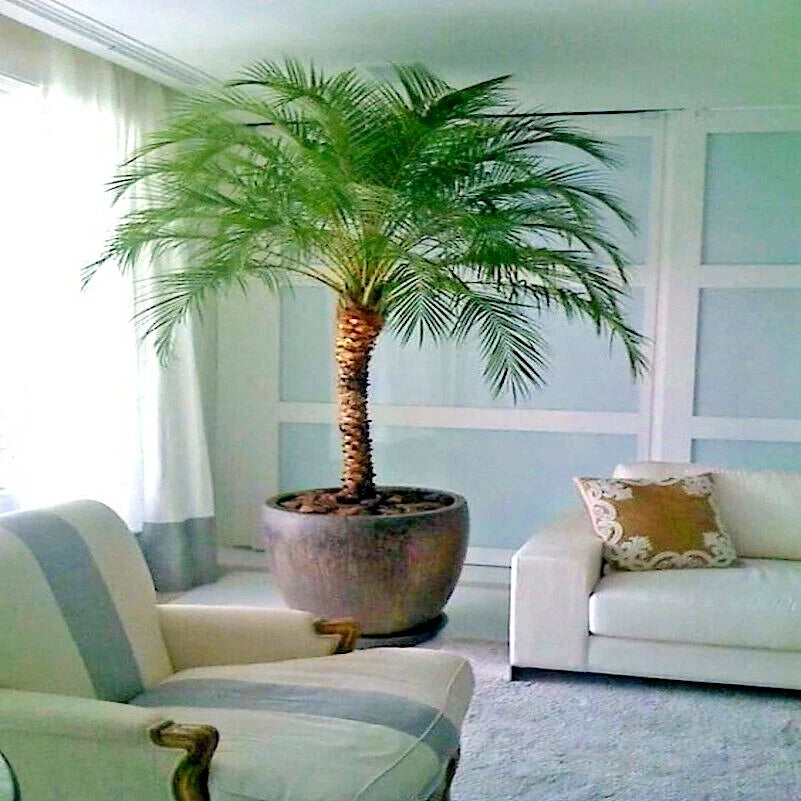
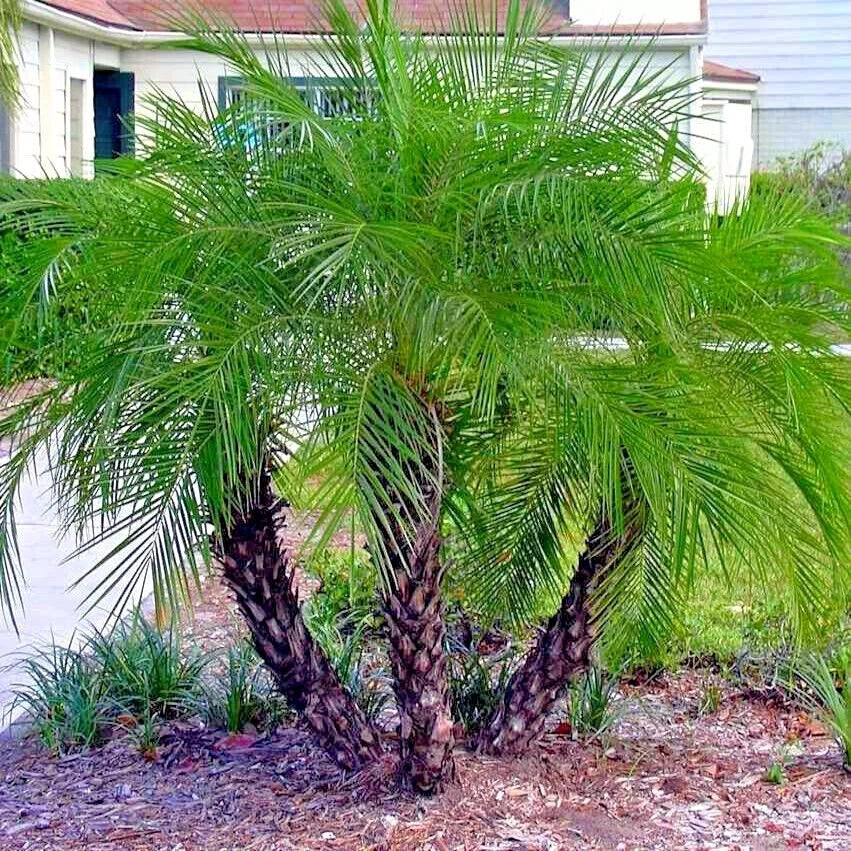
The Dwarf Pygmy Date Palm (Phoenix roebelenii) is one of the most popular and elegant palms for indoor growing and small garden spaces. Valued for its graceful, fine-textured fronds and attractive trunk, this compact palm makes an excellent houseplant, patio specimen, or accent tree in warmer climates.
Pygmy Date Palms are relatively easy to grow when given suitable conditions and are widely used in interior settings and commercial plantings due to their manageable size and ornamental form. Outdoors, this subtropical palm typically reaches 6–6.5 feet tall with a spread of about 5 feet, while indoor plants usually remain 5–6 feet tall, making them ideal for containers.
This species produces edible drupes on female plants, adding to its appeal for collectors. With occasional pruning to maintain shape, the Dwarf Pygmy Date Palm remains neat and attractive even in smaller spaces.
🌿 Key Features:
-
Botanical Name: Phoenix roebelenii
-
Common Name: Dwarf Pygmy Date Palm
-
Growth Habit: Compact, spreading palm
-
Height: 5–6 ft indoors; up to 6.5 ft outdoors
-
Spread: Up to 5 ft
-
Foliage: Fine-textured, graceful green fronds
-
Fruit: Edible drupes on female plants
-
Sun: Bright light indoors; full sun to partial shade outdoors
-
Climate: Subtropical; ideal for indoor growing in cooler regions
Why Grow Dwarf Pygmy Date Palm?
-
Excellent indoor houseplant palm
-
Compact size perfect for containers and small spaces
-
Elegant, decorative foliage year-round
-
Easy to maintain with minimal pruning
The Dwarf Pygmy Date Palm is a timeless favorite for anyone looking to add a tropical, refined look to their home or garden.
Pygmy Date Germination:
1) Soak in warm water for 72 hours, changing water daily.
2) Fill a 4" pot with 1/2 Vermiculite & 1/2 Coconut Fibers. Drizzle water onto the mixture until it feels completely saturated in the top 2 inches. Do not press or firm the growing mixture because this impairs the drainage ability of the mix.
3) Use a heated propagator to keep the temperature at 80 F during the day, dropping to 75 F at night.
4) Plant 3/4" deep & Spread a thin layer of medium-grit sand across the surface of the soil to prevent algae growth and to help regulate moisture loss and temperature. Make the sand layer no thicker than 1 centimeter.
5) Keep under a very bright light.
6) Keep damp with a spray bottle to keep the soil loose. Allow the top inch to dry out completely between watering to prevent moisture buildup; soggy soil can cause the seed to rot.
7) Watch for sprouting in 30 days, but don't be alarmed if it takes up to three months for the pygmy date palm seed to sprout. Remove the pot
from the heating pad once the seed germinates. Water the seedling daily to a depth of 1/4-inch for the first week after sprouting.
Germinación de dátiles pigmeos:
1) Remojar en agua tibia durante 72 horas, cambiando el agua diariamente.
2) Llene una maceta de 4" con 1/2 de vermiculita y 1/2 de fibras de coco. Rocíe agua sobre la mezcla hasta que se sienta completamente saturada en las 2 pulgadas superiores. No presione ni afirme la mezcla de cultivo porque esto perjudica la capacidad de drenaje de la mezcla.
3) Use un propagador calentado para mantener la temperatura a 80 F durante el día, bajando a 75 F por la noche.
4) Plante a 3/4" de profundidad y esparza una capa delgada de arena de grano medio sobre la superficie del suelo para evitar el crecimiento de algas y para ayudar a regular la pérdida de humedad y la temperatura. Haga que la capa de arena no sea más gruesa que 1 centímetro.
5) Manténgala bajo una luz muy brillante.
6) Manténgala húmeda con una botella rociadora para mantener la tierra suelta. Deje que la pulgada superior se seque completamente entre riegos para evitar la acumulación de humedad; la tierra empapada puede hacer que la semilla se pudra.
7) Observa si brotan en 30 días, pero no te alarmes si la semilla de la palmera datilera pigmea tarda hasta tres meses en brotar. Retira la maceta
de la almohadilla térmica una vez que la semilla germine. Riega la plántula a diario hasta una profundidad de 1/4 de pulgada durante la primera semana después de la brotación.