

Description
King Protea Seeds (Protea cynaroides)
Exotic & Very Rare South African Flower • Giant “Cynaroides” Blooms
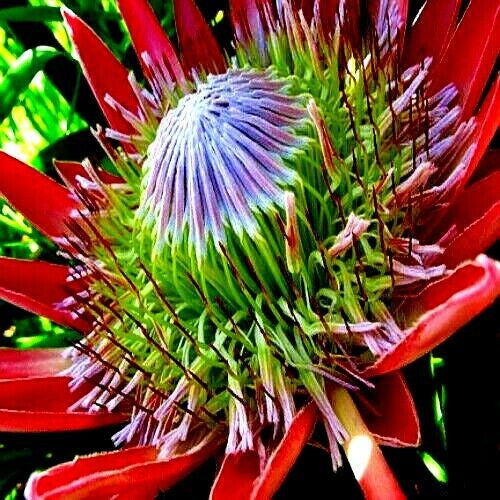
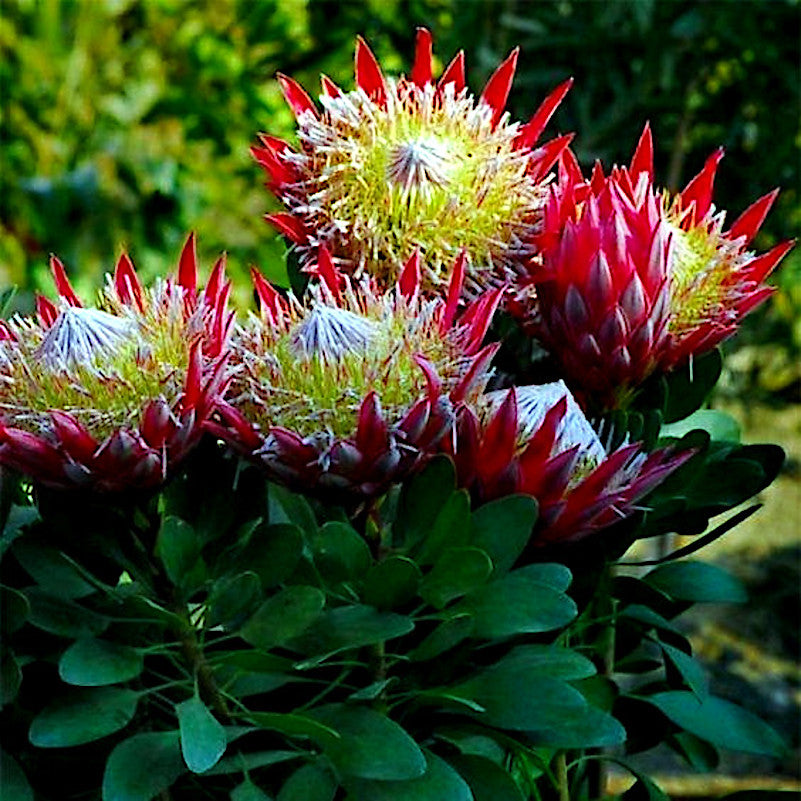
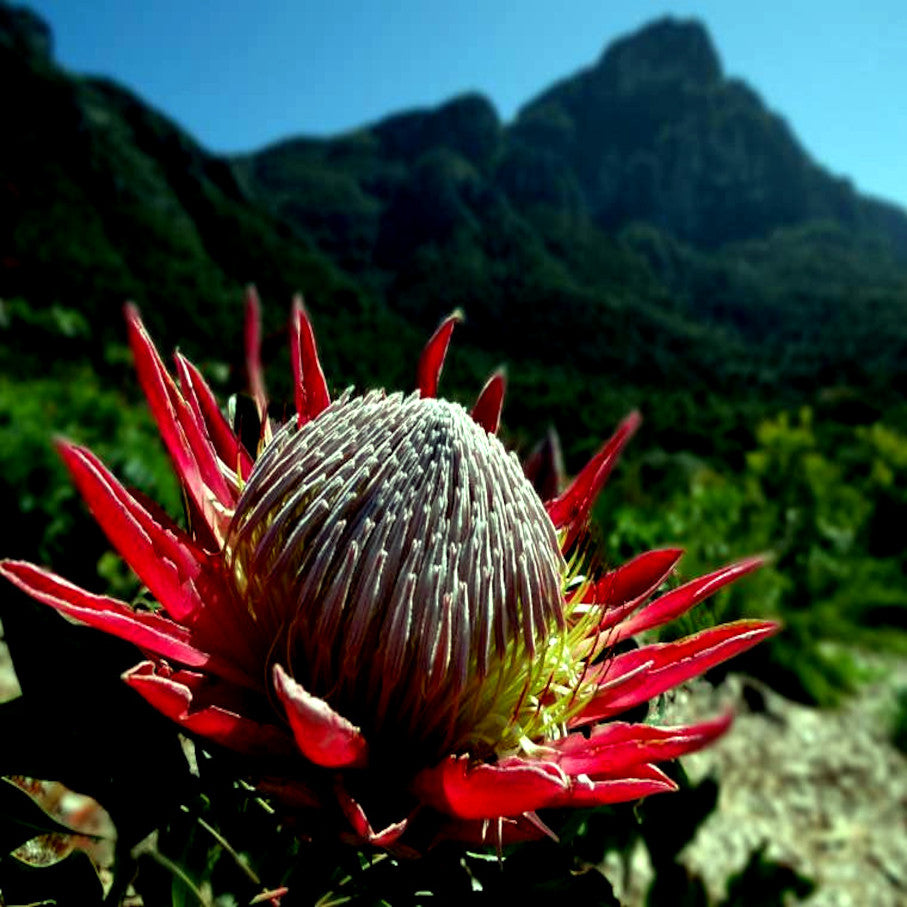
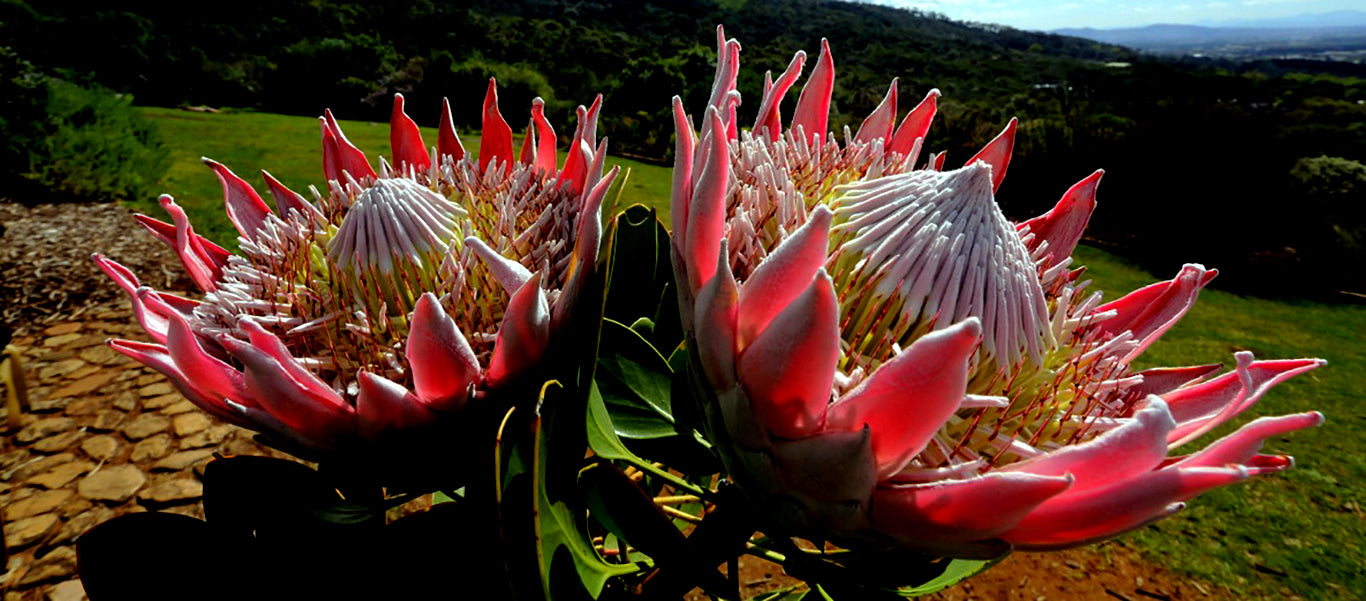
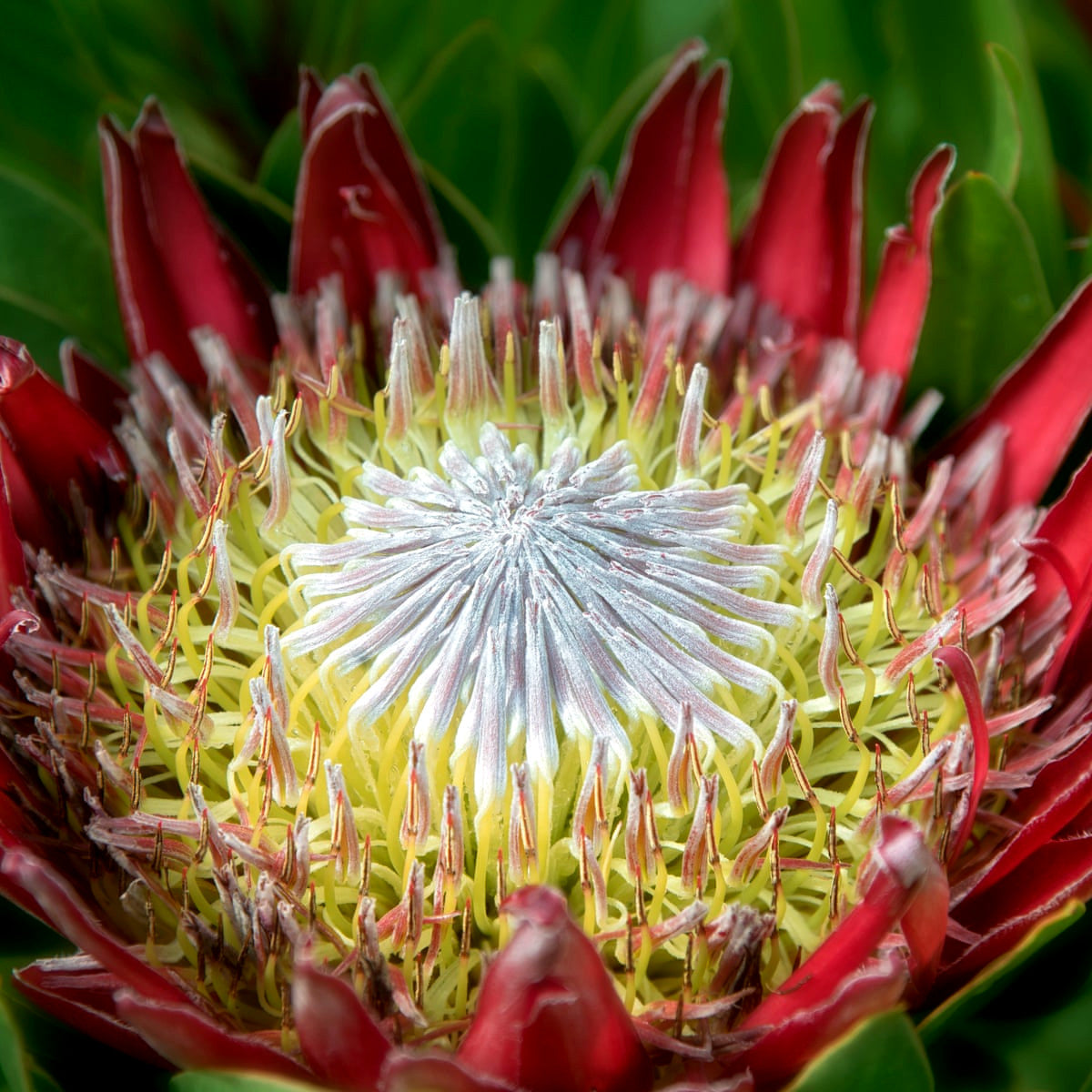
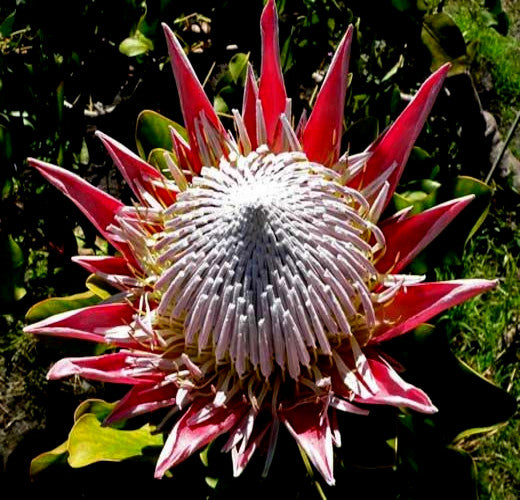
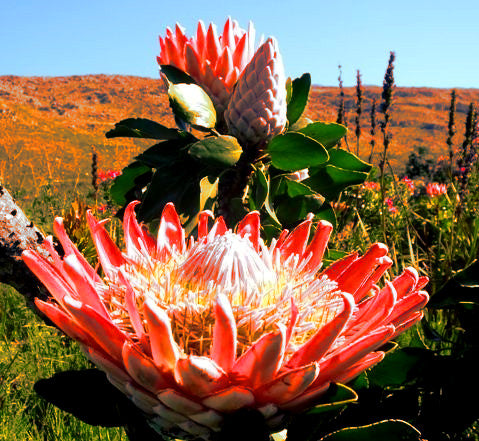
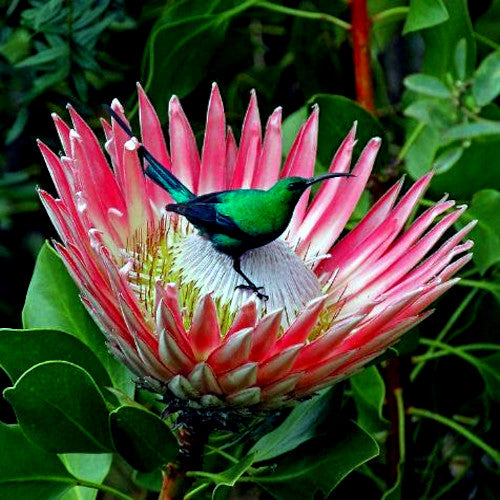
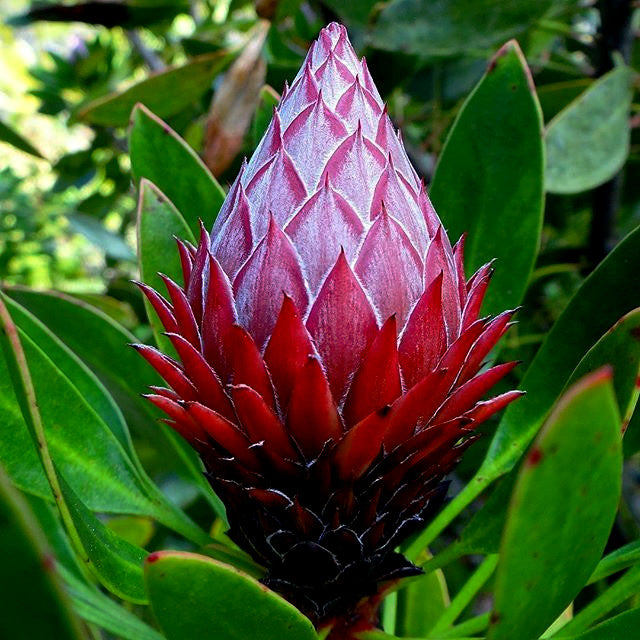
King Protea (Protea cynaroides), also known as the Giant Protea, is one of the most sought-after and iconic flowering plants in the world. Dating back approximately 300 million years, proteas are among the oldest families of flowering plants on the planet. Native to South Africa and Australia, these striking flowers are highly prized for their unique, spiky bracts and massive blooms, which can reach 5–12 inches in diameter.
🌸 Flower & Foliage
-
Giant, spiky-bracted flowers in large clusters
-
Ideal for cut flower arrangements; can be dried for wreaths or displays
-
Insects, especially bees, are highly attracted to the blooms
-
Extremely exotic and visually dramatic for gardens or container displays
🌿 Growth Habit & Soil Requirements
-
Slow-growing shrub with horizontal root system just below soil surface
-
Requires well-drained, acidic, nutrient-poor soil
-
Avoid fertilizers, especially phosphorus, which can kill the plant
-
Perfect for rocky, dry, hard-to-use garden areas or well-prepared containers
Soil Mix Recommendations:
-
Outdoor: Mix bark + sand to improve drainage
-
Container: Use equal parts peat, bark, sand, and styrofoam beads
💧 Water & Climate
-
Established plants: water every 2–3 weeks
-
Young seedlings: water more frequently, keep soil moist but never waterlogged
-
Temperature tolerance: 23°F to 100°F, short-term exposure outside this range may damage plants
-
Thrives in USDA Zones 9–10
🌞 Light & Placement
-
Prefers full sun exposure
-
Can adapt to harsh, dry, and rocky sites where other plants struggle
-
Ideal as a specimen plant, focal point, or container accent
Why Grow King Protea?
With its ancient lineage, enormous striking flowers, and exotic appeal, King Protea is a must-have for collectors, flower enthusiasts, and gardeners seeking a truly unique and dramatic plant. Its long-lasting blooms are perfect for cut flowers, dried arrangements, or decorative displays, and the plant thrives in conditions that challenge most other garden plants.
Protea Germination:
-
Fungicide Soak: Optional but recommended. Soak seeds in a fungicide solution for at least 12 hours to speed germination.
-
Soil & pH: Use a mix of coarse river sand + peat or decomposed pine needles + perlite in equal parts. Maintain pH 5.5–6.0 and ensure good drainage.
-
Sterilize Substrate: Microwave for 3 minutes or oven for 45 minutes. Cool before planting.
-
Planting Container: Use a container of ≈500 ml (2 cups soil) with drainage holes. Leave 2–3 inches space at the top.
-
Planting: Plant seeds at a depth equal to their size. Water initially with fungicide solution, then keep soil moist, not wet to prevent rot.
-
Temperature & Humidity: Use a heated mat (~84°F / 29°C day) with cooler nights (~55°F / 13°C). Cover with plastic or humidity dome with small ventilation holes.
-
Patience: Germination is slow and erratic. Some seeds may sprout in 1 month, most take up to 3 months.
-
Post-Germination Care: Avoid direct sunlight at first. Gradually acclimate seedlings to light. Keep substrate moderately moist, use a spray bottle, do not let dry out.
Instrucciones de Germinación de Protea:
-
Remojo en Fungicida: Opcional pero recomendado. Remoje las semillas en una solución fungicida durante al menos 12 horas para acelerar la germinación.
-
Suelo y pH: Mezcle arena gruesa de río + turba o agujas de pino degradadas + perlita en partes iguales. Mantenga pH 5.5–6.0 y asegure buen drenaje.
-
Esterilizar Sustrato: Microondas por 3 minutos o horno convencional por 45 minutos. Dejar enfriar antes de plantar.
-
Recipiente: Use un recipiente de ≈500 ml (2 tazas de sustrato) con agujeros de drenaje. Deje 2–3 cm libres en la parte superior.
-
Siembra: Plante las semillas a la profundidad de su tamaño. Riegue inicialmente con solución fungicida y luego mantenga el sustrato húmedo, no mojado para evitar pudrición.
-
Temperatura y Humedad: Use estera calefactada (~29°C día) con noches más frescas (~13°C). Cubra con plástico o cúpula con pequeños orificios de ventilación.
-
Paciencia: La germinación es lenta y errática. Algunas semillas brotan en 1 mes, la mayoría hasta 3 meses.
-
Cuidado Post-Germinación: Evite luz solar directa al inicio. Acostumbre gradualmente las plántulas. Mantenga el sustrato moderadamente húmedo, use pulverizador, no deje que se seque.