

Description
King Sago Palm Seeds (Cycas revoluta)
Ancient Cycad • Evergreen Ornamental • Tropical Accent Plant
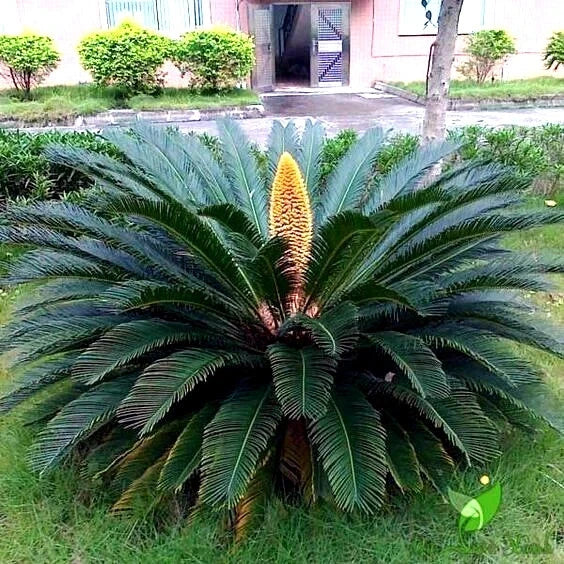
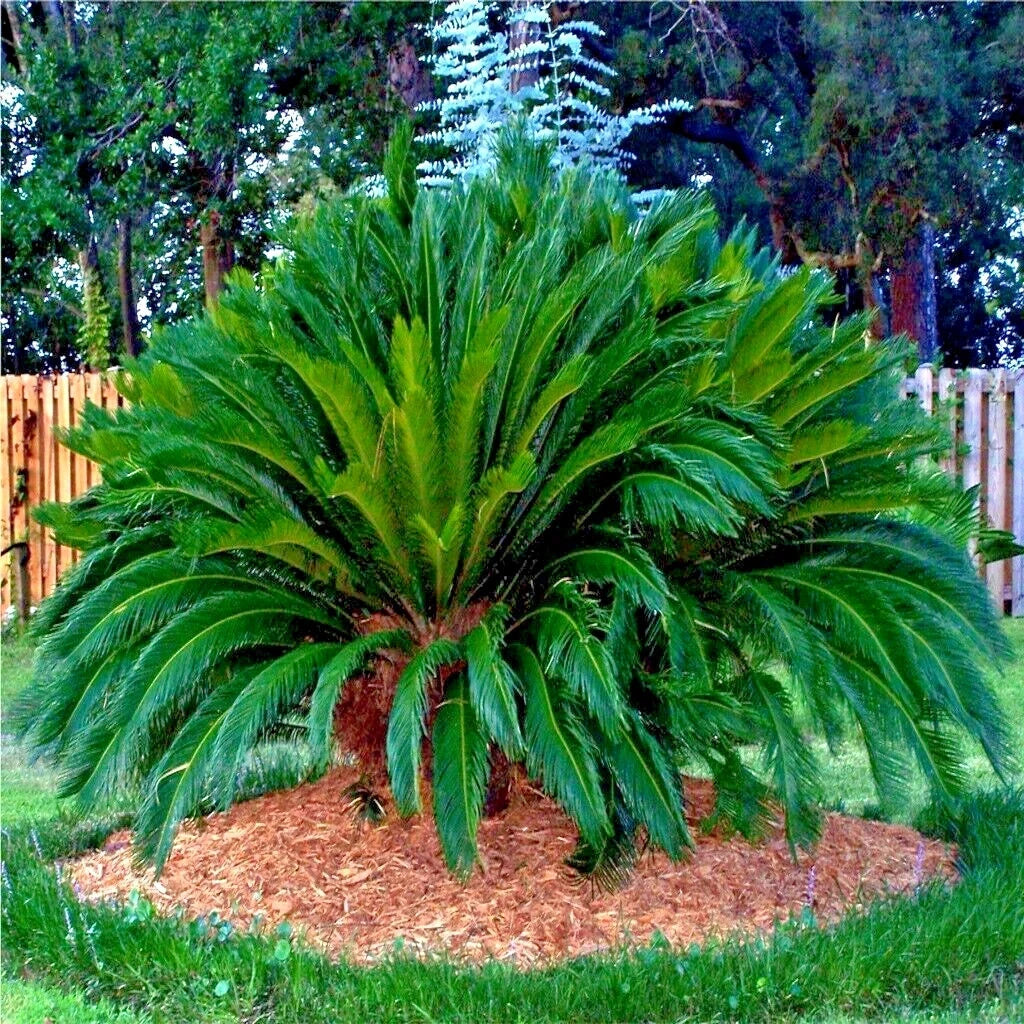
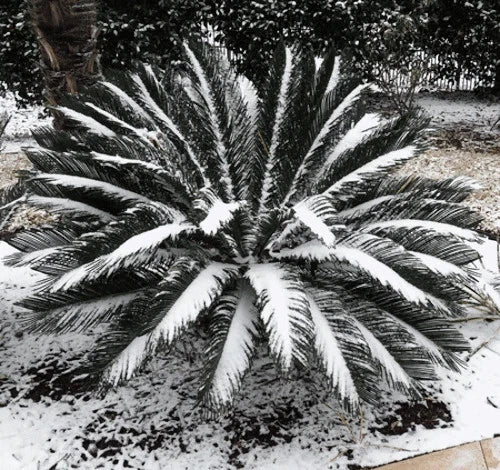
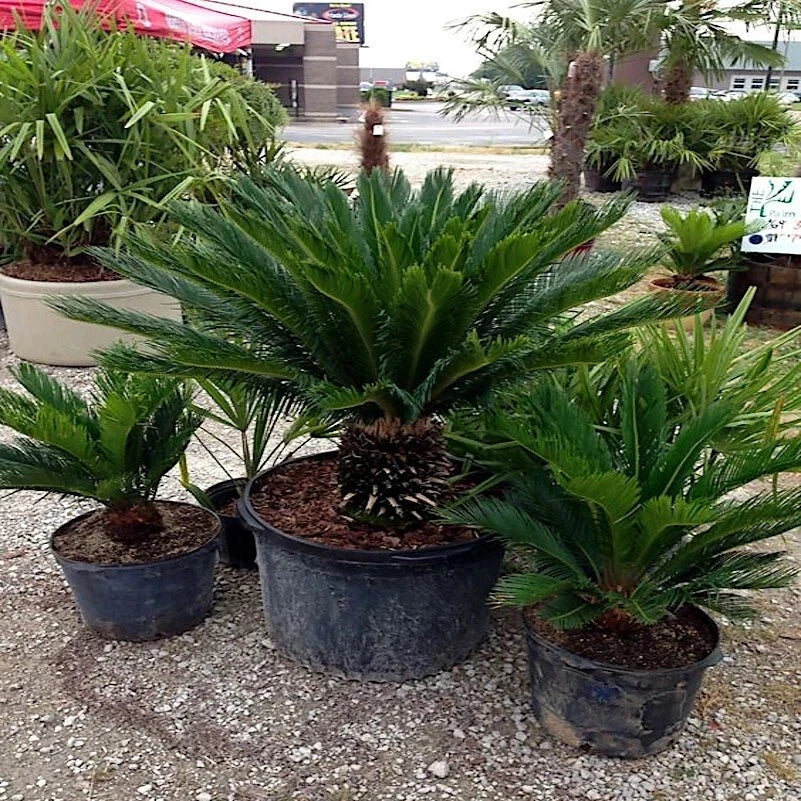
King Sago Palm (Cycas revoluta) is a striking tropical and subtropical evergreen belonging to the ancient Cycadaceae family, a plant lineage that dates back over 200 million years. With its symmetrical, arching fronds and bold architectural form, the Sago Palm is one of the most popular ornamental cycads for both indoor and outdoor use.
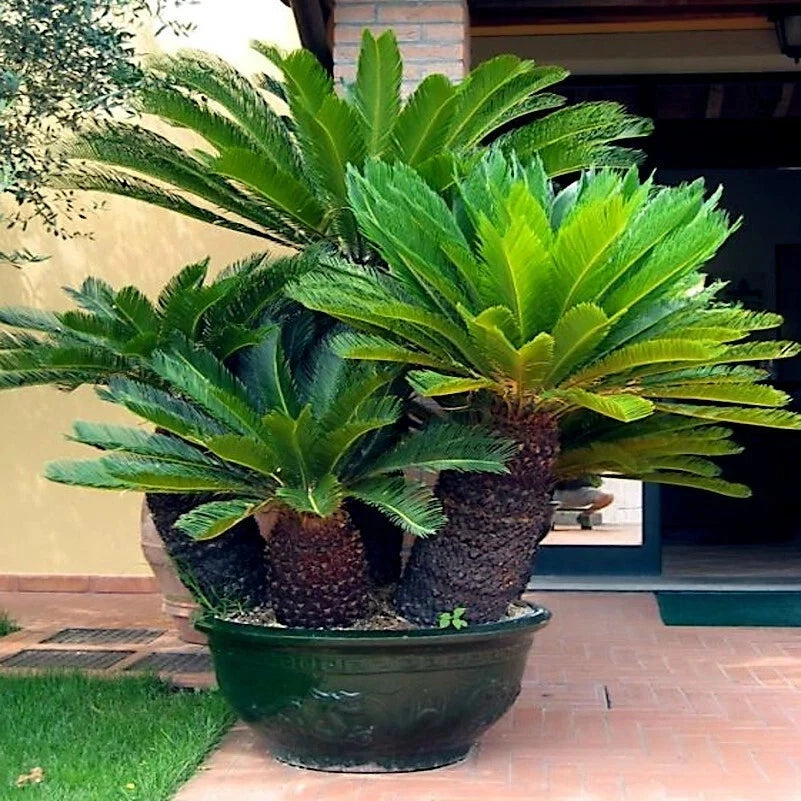
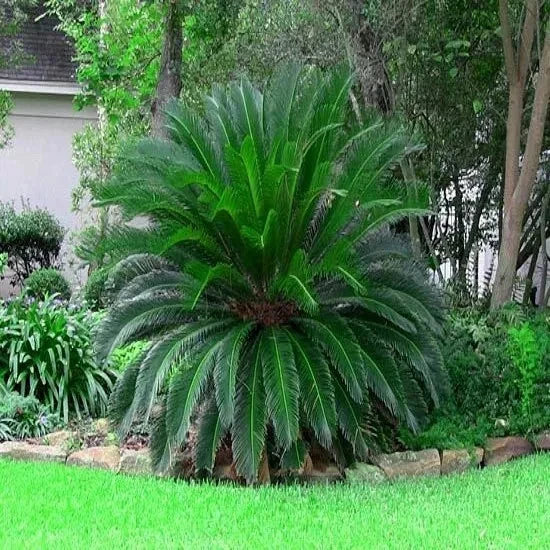
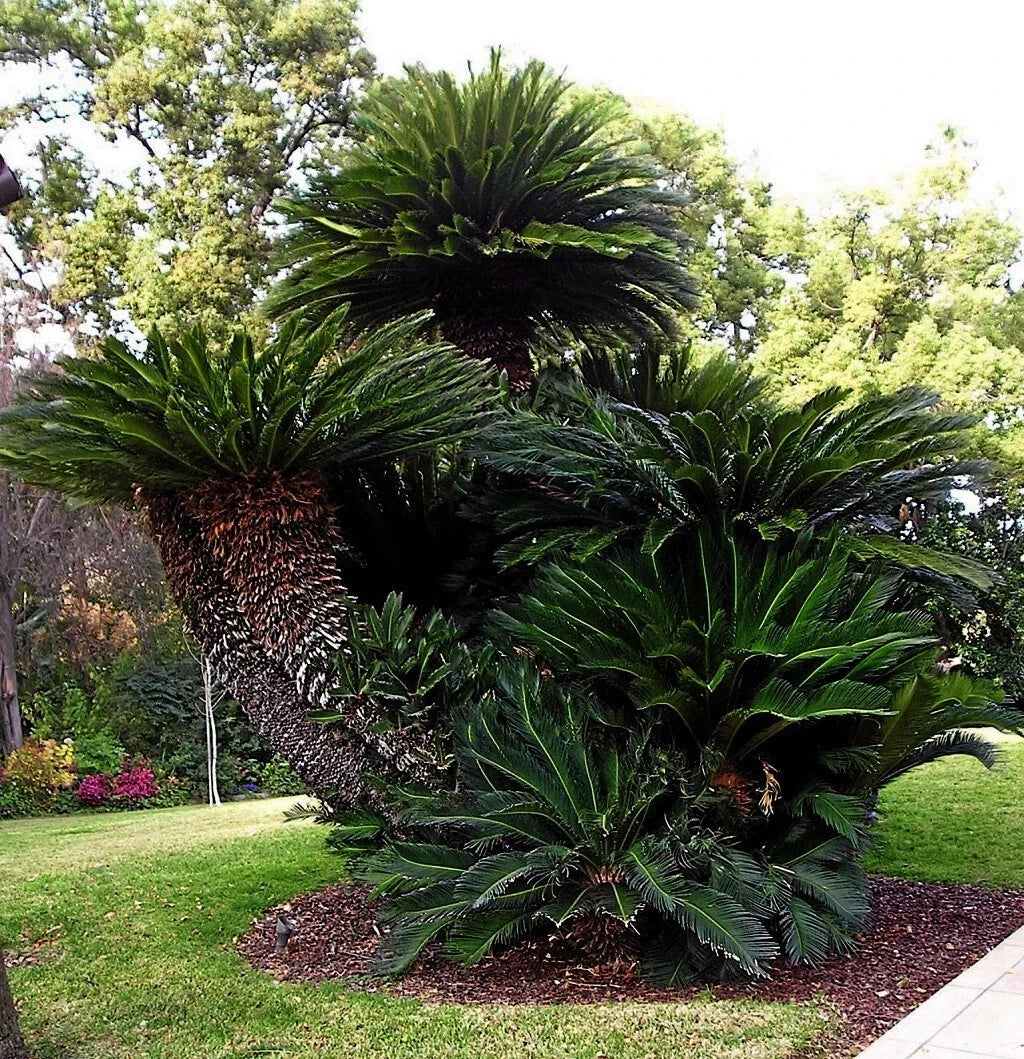
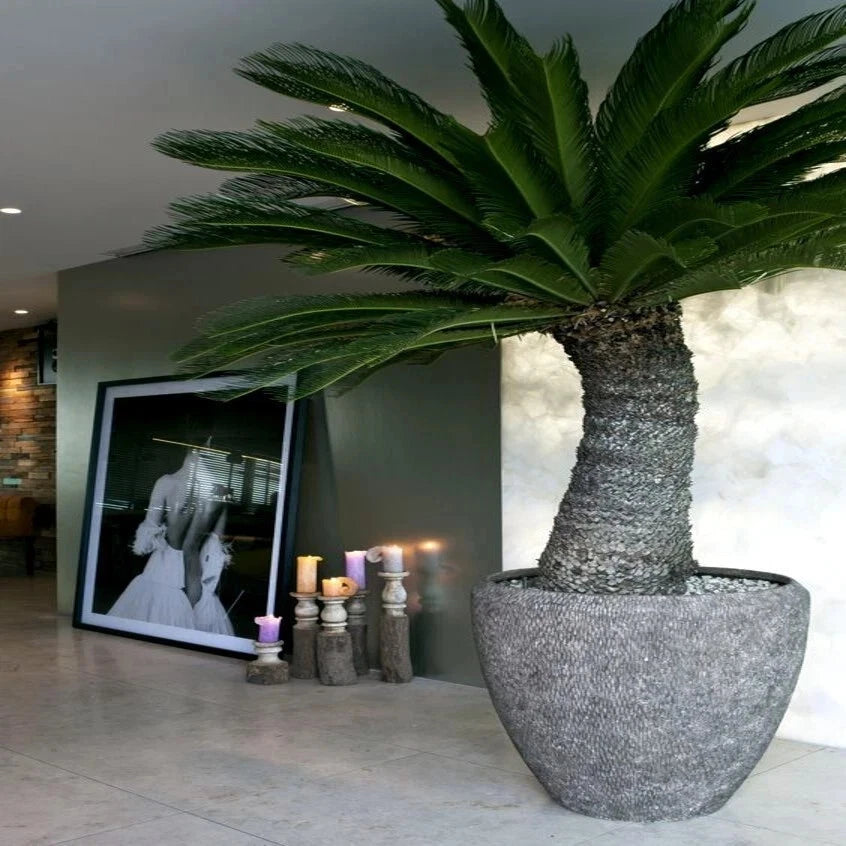
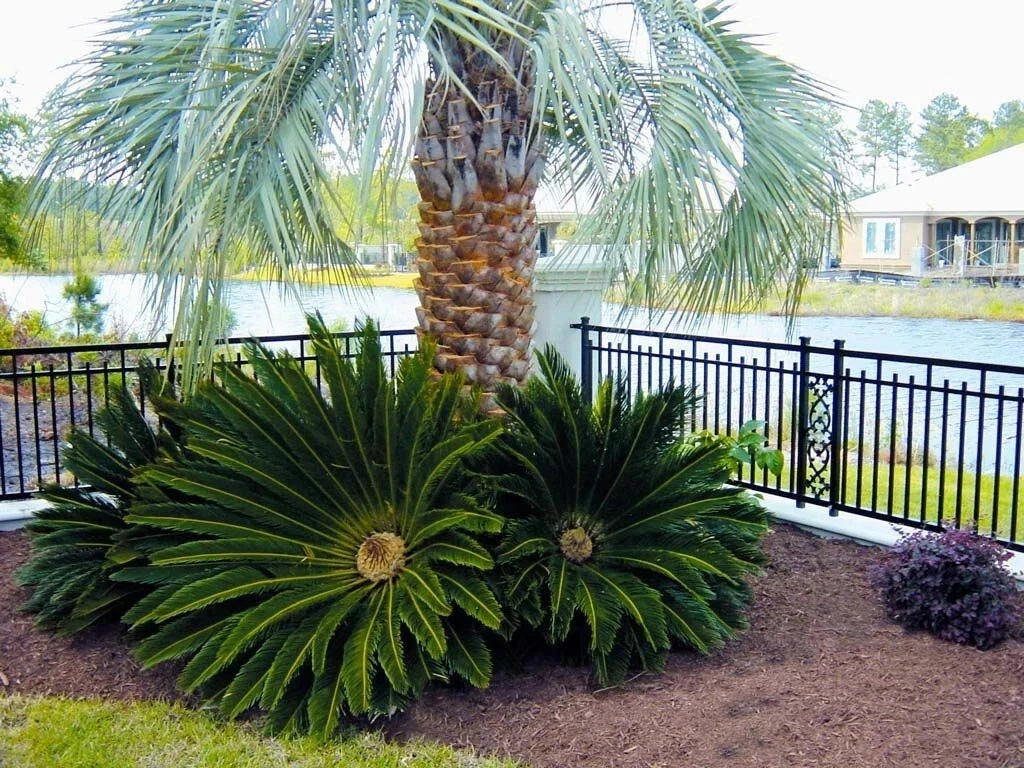
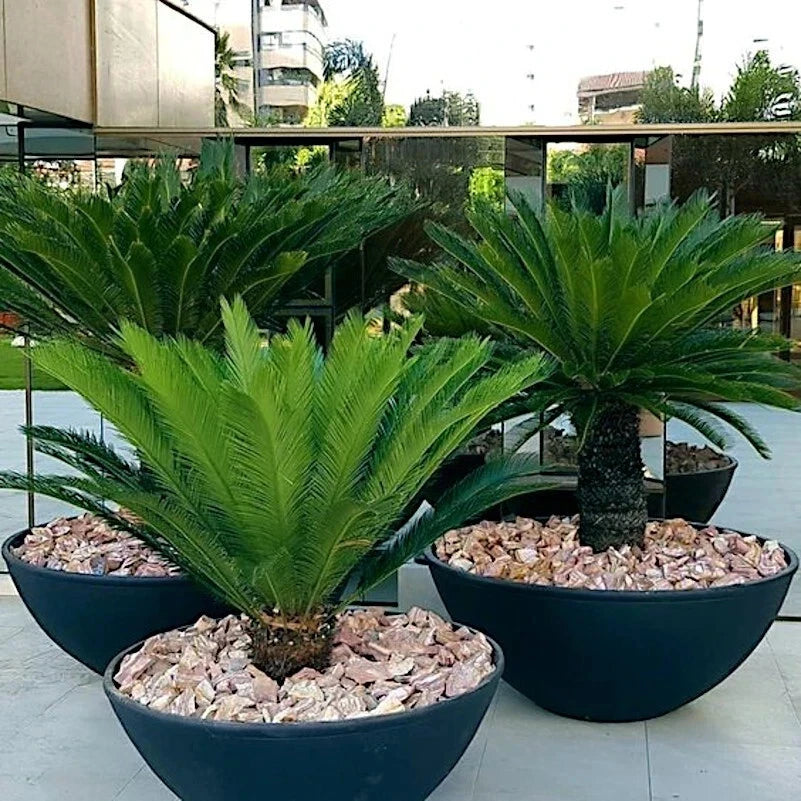
This elegant plant grows beautifully in containers, urns, and decorative pots, making it ideal for patios, sunrooms, entrances, and interior spaces. Outdoors, it serves as a dramatic evergreen accent in subtropical and tropical landscapes, commonly used as borders, specimens, focal points, or in rock gardens.
🌿 Growth & Appearance
-
Slow-growing evergreen cycad
-
Stiff, glossy green fronds arranged in a symmetrical rosette
-
Highly ornamental, architectural form
-
Suitable for container growing or landscape planting
☀️ Light, Soil & Care Requirements
-
Prefers bright, indirect sunlight
-
Harsh or direct sunlight may scorch foliage
-
Indoors: provide filtered light for 4–6 hours per day
-
Requires well-drained, moist soil
-
Intolerant of overwatering or poor drainage
-
Thrives in sandy or loamy soils
-
Soil pH: acidic to neutral
-
Drought tolerant once established
❄️ Temperature & Cold Tolerance
-
Tolerates brief periods of cold
-
Frost will damage foliage
-
Will not survive temperatures below 15°F (-9°C)
-
Best suited for tropical and subtropical climates or indoor growing in colder regions
⚠️ Important Safety Information
Sago Palm plants and seeds are highly toxic, especially to dogs and cats. While they are generally not attractive to pets, all parts—particularly the seeds—should be handled with gloves and kept away from animals and children.
Why Grow King Sago Palm?
With its ancient origins, low maintenance needs, and timeless ornamental appeal, King Sago Palm is a standout choice for plant collectors, interior decorators, and gardeners seeking a dramatic evergreen plant with minimal upkeep.
Sago Germination:
1) Cut a few shallow nicks into seed shells, being sure not to go too deep.
(The seeds that chipmunks have gnawed into will not require this. By the chipmunks eating into the flesh, they have already naturally scarified those seeds.)
2) Soak seeds for 3 days, changing water daily.
3) Mix 20% perlite and 10% sand into a well mixed and well draining potting soil.
4) Lay seeds flat on their sides, covering only half of the seed while leaving the rest exposed.
5) Use a heated propagator to keep soil temperatures between 80-85 degrees.
6) Use a humidity dome or small piece of plastic on top to help keep humidity levels high.
7) Keep slightly moist, never overly wet.
8) As with most tropical seeds, patience is needed as germination is erratic and can take anywhere from 6 months to a year. Do not toss out any that do not germinate early as they're still good and just need more time.
Germinación de semillas de sagú:
1) Haz unos cortes superficiales en las cáscaras de las semillas, asegurándote de no profundizar demasiado.
(Las semillas que las ardillas han roído no necesitarán esto. Al comer la pulpa, las ardillas ya han escarificado naturalmente esas semillas).
2) Remoja las semillas durante 3 días, cambiando el agua a diario.
3) Mezcla un 20 % de perlita y un 10 % de arena en una tierra para macetas bien mezclada y con buen drenaje.
4) Coloca las semillas de lado, cubriendo solo la mitad de la semilla y dejando el resto expuesto.
5) Usa un propagador calentado para mantener la temperatura del suelo entre 80 y 85 grados.
6) Usa una cúpula de humedad o un pequeño trozo de plástico en la parte superior para ayudar a mantener altos los niveles de humedad.
7) Mantén la tierra ligeramente húmeda, nunca demasiado mojada.
8) Como con la mayoría de las semillas tropicales, se necesita paciencia, ya que la germinación es errática y puede tardar entre 6 meses y un año. No deseches ninguna que no germine pronto, ya que aún está buena y solo necesita más tiempo.