


Description
Naranjilla “Bed of Nails” Seeds
(Solanum quitoense)
Lulo • Quito Orange • Rare Tropical Fruit Plant
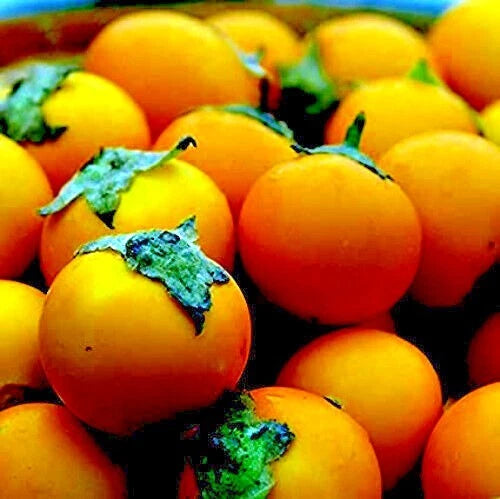
Naranjilla (Solanum quitoense), also known as Lulo, Quito Orange, obando, cocona, or nuqui, is a rare and exotic tropical fruit native to the Andean regions of Colombia and Ecuador, as well as parts of Panama. Although uncommon in home gardens in the United States, Naranjilla is widely cultivated south of the border and prized for its unique flavor and nutritional value.
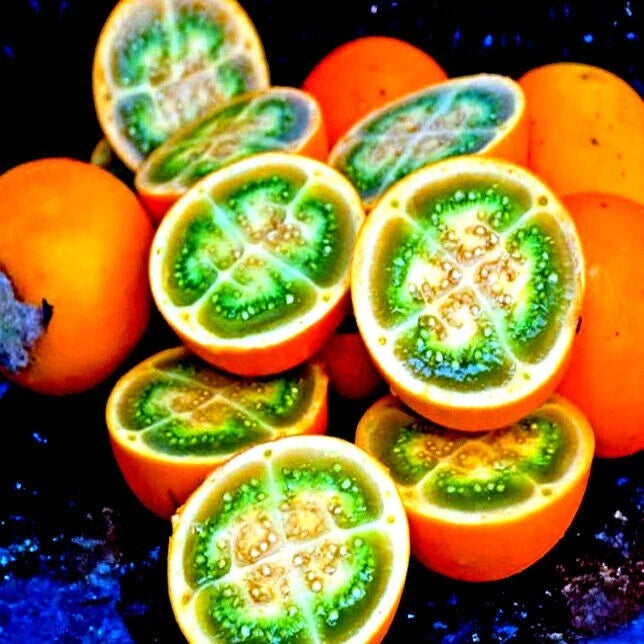
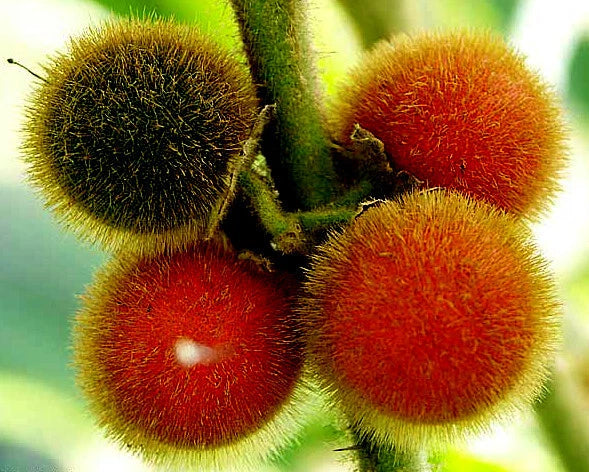
The bright orange, round fruit resembles an orange on the outside but has a tomato-like interior. Its flavor is often described as a complex blend of pineapple, kiwi, lime, and rhubarb, making it popular for fresh eating, juices, and desserts.
🌱 Plant Description & Growth Habit
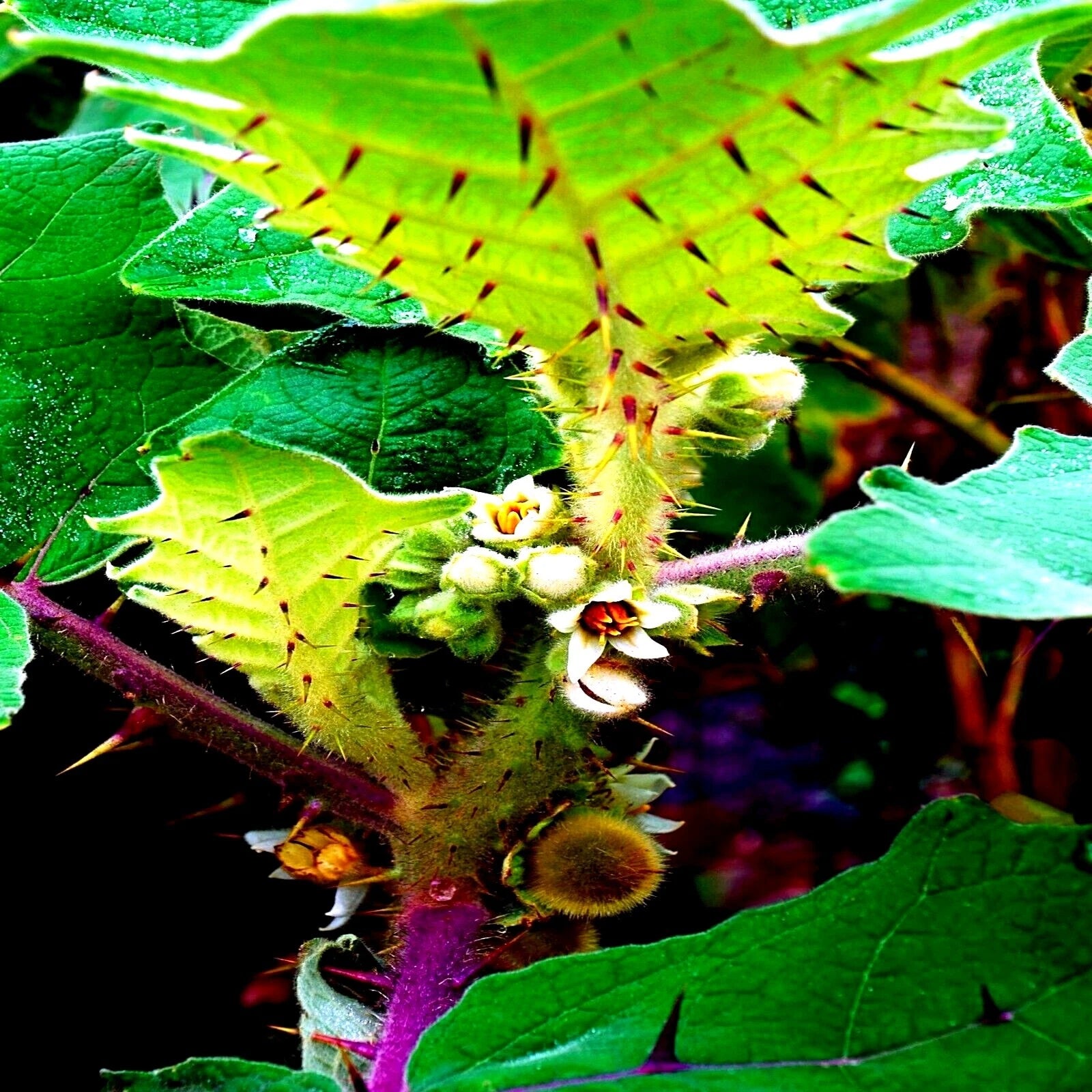
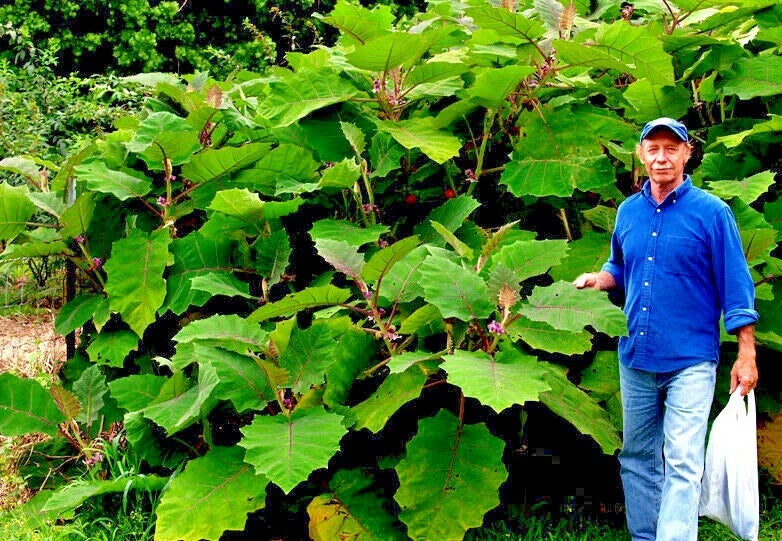
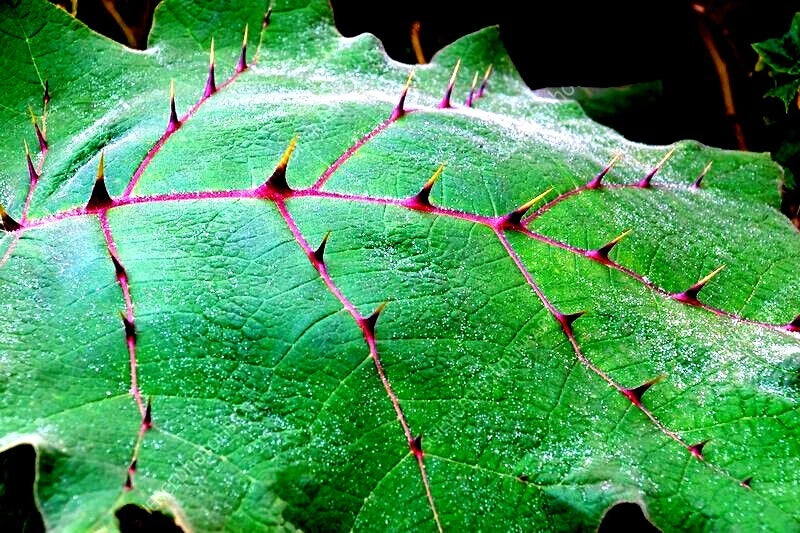
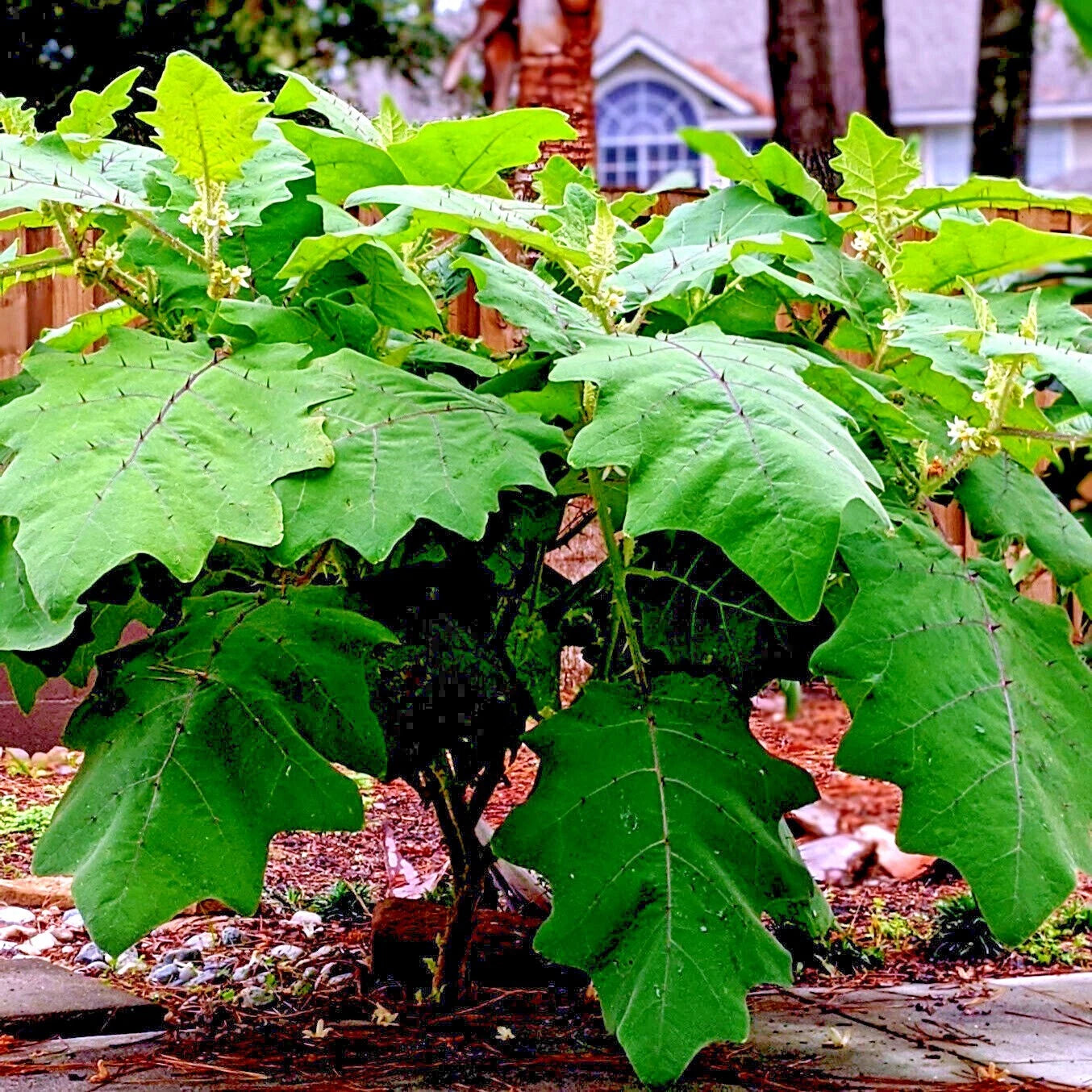
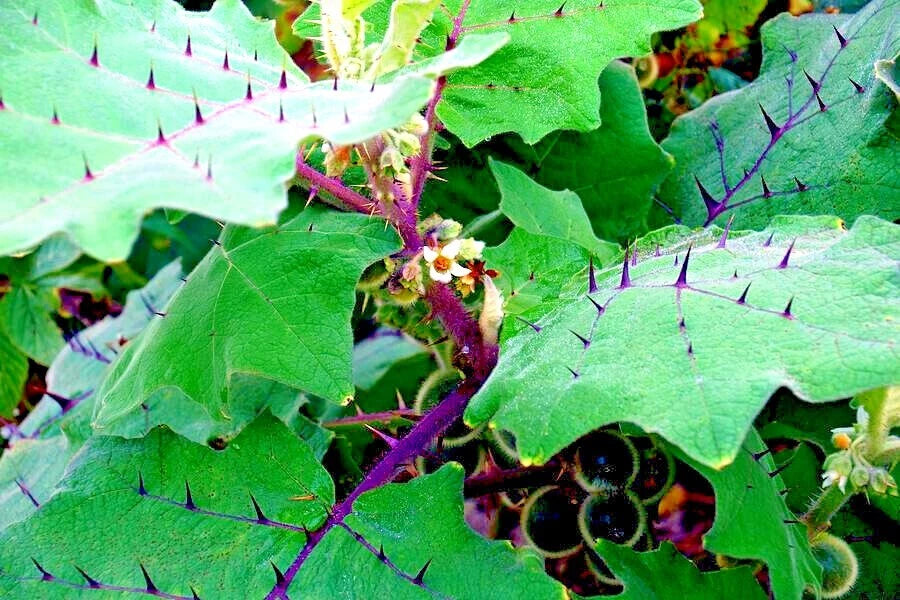
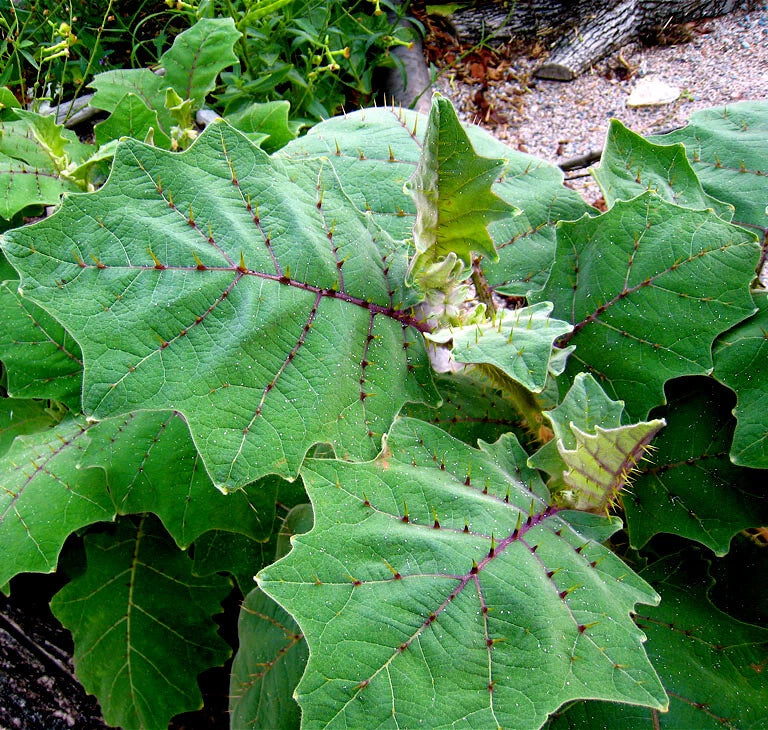
Naranjilla is an erect, spreading, herbaceous perennial shrub that grows an average of 6–8 feet tall. The plant develops thick stems that become somewhat woody with age. In the wild, plants are often spiny—earning the nickname “Bed of Nails”—while cultivated plants are frequently spineless.
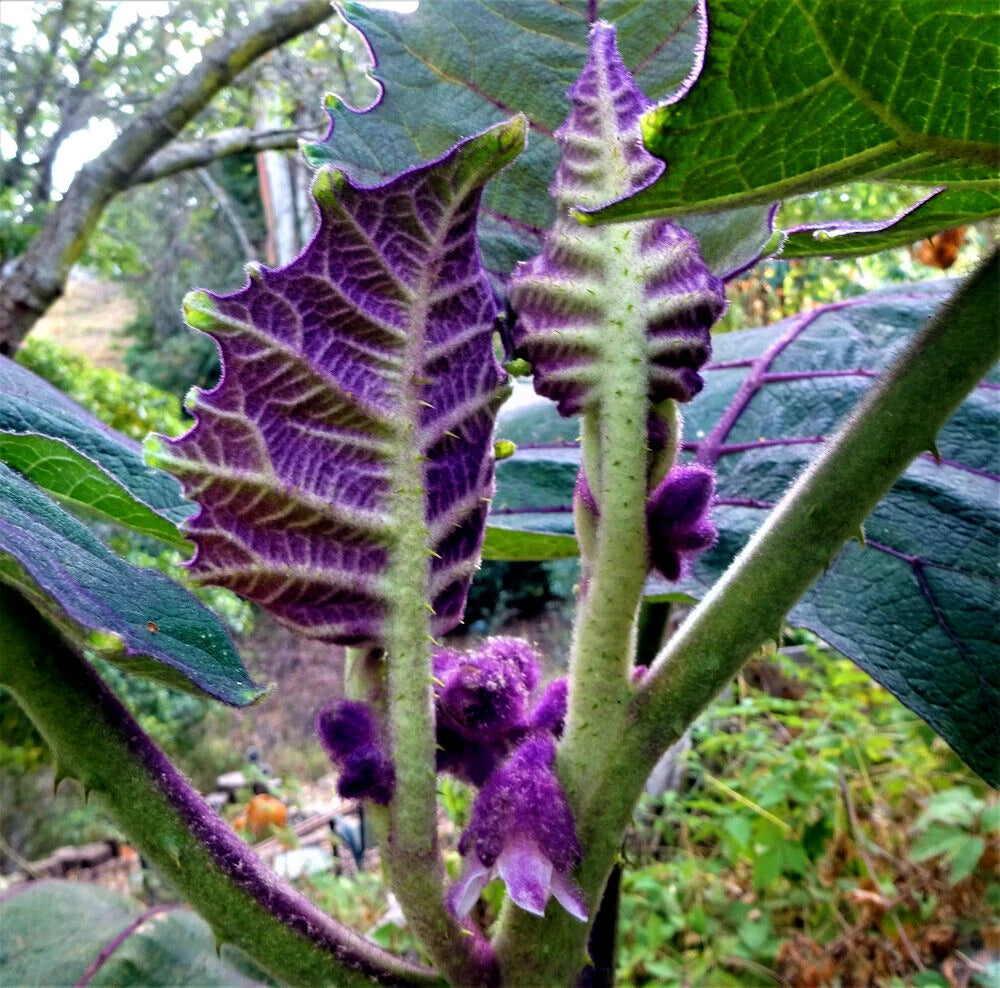
The stems, leaves, and petioles are covered in short purple hairs, giving the plant a striking ornamental appearance. Large, lush foliage makes this plant visually impressive even before fruiting.
☀️ Light, Soil & Climate Requirements
-
Intolerant of full sun exposure
-
Prefers partial to semi-shade (no more than 4 hours of direct sunlight daily)
-
Performs best in well-drained, rich organic soil
-
Tolerates poor, rocky, and stony soils when drainage is adequate
-
Requires excellent drainage to prevent root rot
-
Benefits from wind protection
-
Suitable for USDA Zones 10–12
-
Ideal for tropical gardens, greenhouses, and protected outdoor areas
🍊 Fruit Production & Yield
Under proper growing conditions, Naranjilla plants begin producing fruit 10–12 months from seed. Healthy, mature plants can yield 100–150 fruits in their first year alone, making them both productive and rewarding for home growers.
🥝 Nutritional Benefits
Naranjilla fruit is rich in Vitamin C, Vitamin A, antioxidants, and carotenoids, which are associated with supporting immune health and combating oxidative stress. A 120-gram serving provides:
-
Vitamin K – 17.5 µg
-
Vitamin A – 34 µg
-
Vitamin E – 0.9 mg
-
Vitamin B1, B3, B5, B6
-
Potassium – 240 mg
-
Iron – 0.42 mg
-
Carbohydrates – 7.08 g
Despite its impressive nutritional profile, Naranjilla remains an underrated fruit and is rarely classified as a “superfood.”
🌿 Botanical Background
Naranjilla belongs to the nightshade family (Solanaceae), making it related to tomatoes, peppers, and eggplants. Its fast growth, ornamental foliage, exotic fruit, and nutritional value make it a standout plant for collectors, rare fruit enthusiasts, and adventurous gardeners.
Zones 10-12
Naranjilla Germination:
1) These seeds have already been thoroughly cleaned and should be sown into a well-drained, sandy compost at any time of the year, and covered thinly with sand or grit and kept moist. (Not Wet)
2) Dust seeds with a fungicide to prevent mold or fungus to keep them protected during the long germination time for most.
3) A heated propagator must be used to keep soil between 75-80 degrees F to achieve germination with Naranjilla seeds.
4) As with any Tropical seeds, a few may germinate within 4 to 6 weeks, but expect most to take anywhere from 4-5 months longer so please be patient. Be sure to periodically keep moist never letting them dry out. Use a spray bottle to mist them to keep the soil moist, but not overly wet. Keeping the soil wet will rot the seeds.
5) As each individual seeds sprouts, plant the seedlings out in the open ground in warmer countries, or use a large container in cooler climates.
"Please Contact us First if you need Anything"
Germinación de naranjilla:
1) Estas semillas ya se han limpiado a fondo y se deben sembrar en un abono arenoso bien drenado en cualquier época del año, y se deben cubrir con una fina capa de arena o gravilla y mantenerlas húmedas (no mojadas).
2) Espolvoree las semillas con un fungicida para evitar el moho o los hongos y mantenerlas protegidas durante el largo tiempo de germinación de la mayoría.
3) Se debe utilizar un propagador calentado para mantener la tierra a una temperatura de entre 75 y 80 grados F para lograr la germinación de las semillas de naranjilla.
4) Al igual que con cualquier semilla tropical, algunas pueden germinar en un plazo de 4 a 6 semanas, pero la mayoría tardará entre 4 y 5 meses más, así que tenga paciencia. Asegúrese de mantenerlas húmedas periódicamente y no dejar que se sequen. Use una botella rociadora para rociarlas y evitar que la tierra esté mojada y no húmeda. Mantener la tierra húmeda pudrirá las semillas.
5) A medida que brote cada semilla individual, plante las plántulas en el suelo abierto en países más cálidos o use un recipiente grande en climas más fríos.