Ponytail Palm Tree Seeds
(Beaucarnea recurvata)
Elephant Foot • Caudex Bonsai • Rare Houseplant
Choose from 10–100 Seeds
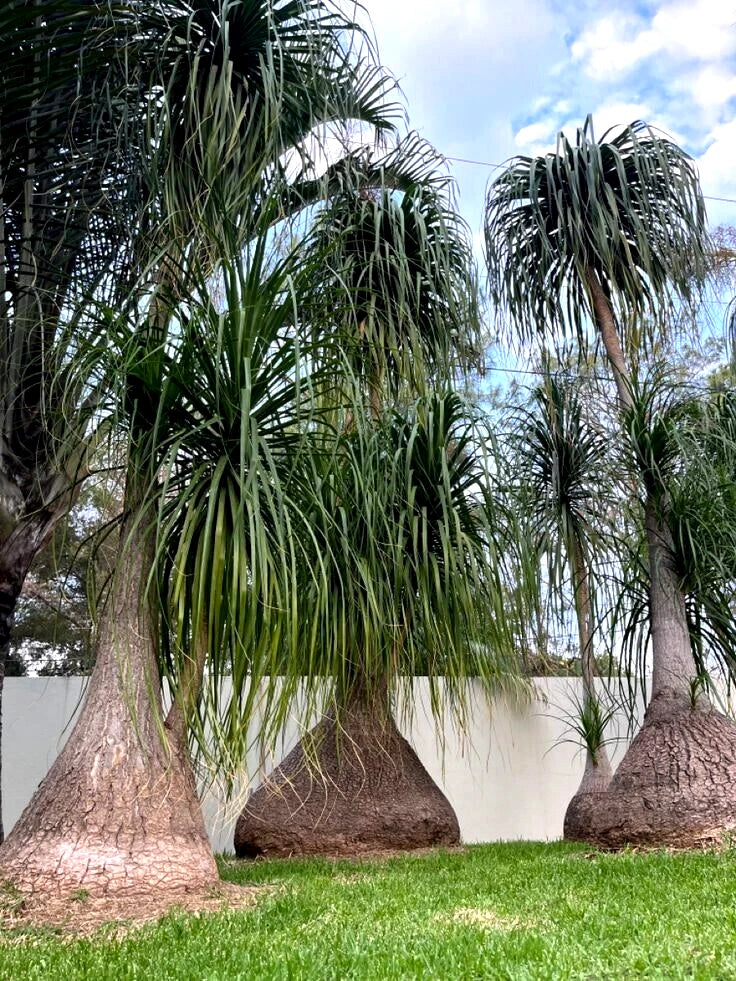
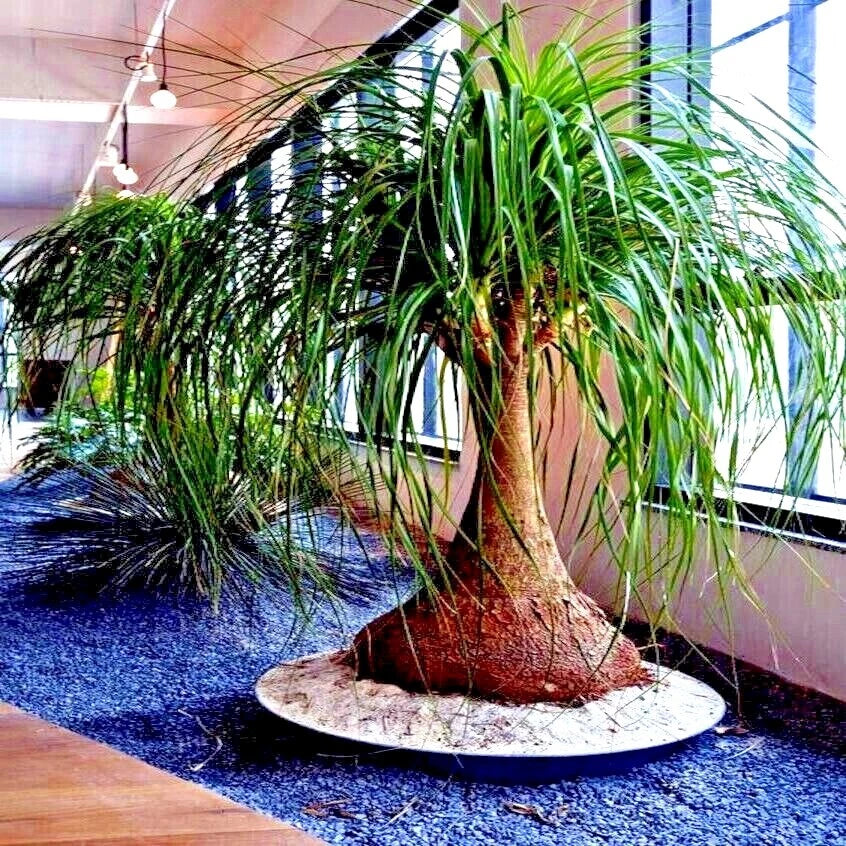
The Ponytail Palm is one of the most unique and easy-care houseplants you can grow, prized for its bulbous water-storing trunk (caudex) and long, cascading, ponytail-like leaves. Despite its common name, it is not a true palm, but a drought-tolerant member of the Yucca family, making it exceptionally resilient and forgiving.
Naturally adaptive, Ponytail Palms thrive indoors or outdoors, tolerate neglect, and are ideal for beginners, collectors, and bonsai enthusiasts alike. Their sculptural form makes them a standout specimen plant, while their slow growth allows them to remain container-friendly for many years.
🌿 Plant Characteristics
-
Growth Form: Caudiciform (swollen trunk base stores water)
-
Foliage: Long, narrow, arching leaves forming a ponytail shape
-
Growth Rate: Slow
-
Longevity: Extremely long-lived
📏 Mature Size
-
Indoors / Containers: Commonly 3–8 feet tall over many years
-
Outdoors (Warm Climates): Can reach 20–30 feet tall
-
Trunk Base: Thickens with age, creating the classic “elephant foot” look
🌞 Growing Requirements
-
Light: Bright indirect light to full sun
-
Water: Infrequent; allow soil to dry between watering
-
Soil: Well-draining cactus or succulent mix recommended
-
Temperature: Prefers warmth; protect from frost
-
Maintenance: Very low
Overwatering is the most common cause of failure — this plant thrives on less water, not more.
🌎 Climate & Hardiness
⭐ Why Grow Ponytail Palm?
-
Extremely low-maintenance & beginner-friendly
-
Unique caudex bonsai appearance
-
Ideal for indoor décor, patios, and sunrooms
-
Drought tolerant and highly adaptable
-
Often associated with balance, resilience, and positive energy
Ponytail Germination:
1) Remove flakes from around the hard seeds inside. (If already cleaned, ignore this step)
2) Sand the hard shells with rough grit sandpaper, then pour hot water over them and let them soak for 24 hours.
3) Use a Cactus/Succulent potting mix. Moisten the soil and press the seeds lightly into the surface. Cover with a very fine layer of sand.
4) Use a heated propagator to keep the soil temperature above 68 F at all times. 75+ would be Optimal.
5) Keep the container lightly moist by misting. Cover the container with plastic until germination. Remove the plastic once per day to allow excess moisture to escape.
6) Keep the container in a brightly lit area but with some shelter from midday sun, which may burn new leaves.
7) As with any Tropical or Exotic, Germination will be erratic, so expect sprouts in 1 to 3 months depending upon the time of year and amount of light and heat the seeds experience.
Germinación de la cola de caballo:
1) Quita las escamas de alrededor de las semillas duras en el interior. (Si ya las limpiaste, ignora este paso)
2) Lija las cáscaras duras con papel de lija de grano grueso, luego vierte agua caliente sobre ellas y déjalas en remojo durante 24 horas.
3) Usa una mezcla para macetas para cactus y suculentas. Humedece la tierra y presiona las semillas ligeramente en la superficie. Cúbrela con una capa muy fina de arena.
4) Usa un propagador calentado para mantener la temperatura de la tierra por encima de los 68 °F en todo momento. 75 °F o más sería lo óptimo.
5) Mantén el recipiente ligeramente húmedo rociándolo. Cubre el recipiente con plástico hasta la germinación. Quita el plástico una vez al día para permitir que escape el exceso de humedad.
6) Mantén el recipiente en un área bien iluminada pero con algo de protección del sol del mediodía, que puede quemar las hojas nuevas.
7) Como ocurre con cualquier planta tropical o exótica, la germinación será errática, por lo que se esperan brotes en 1 a 3 meses dependiendo de la época del año y la cantidad de luz y calor que experimenten las semillas.