





Description
Opuntia santarita Prickly Peak Cactus Seeds
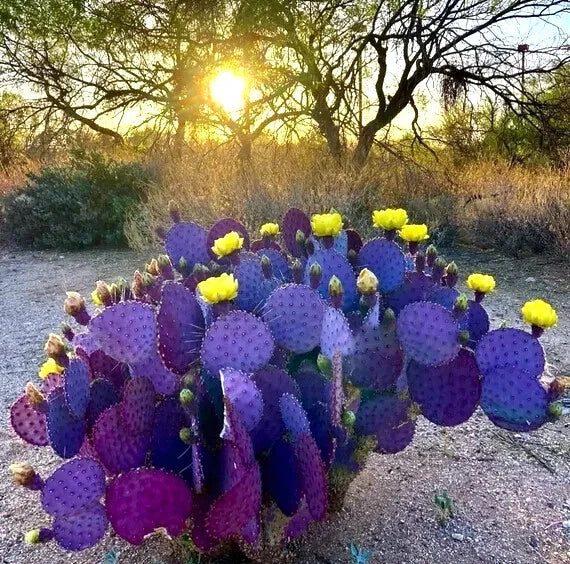
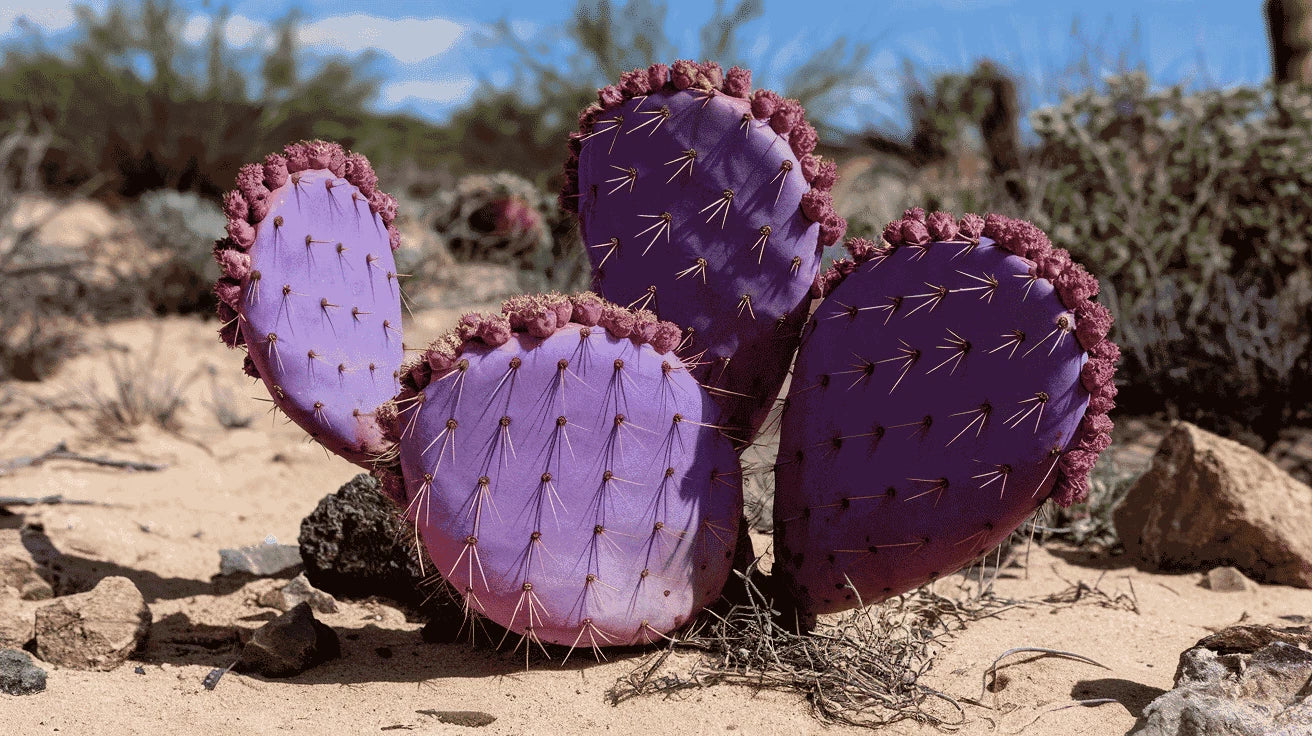
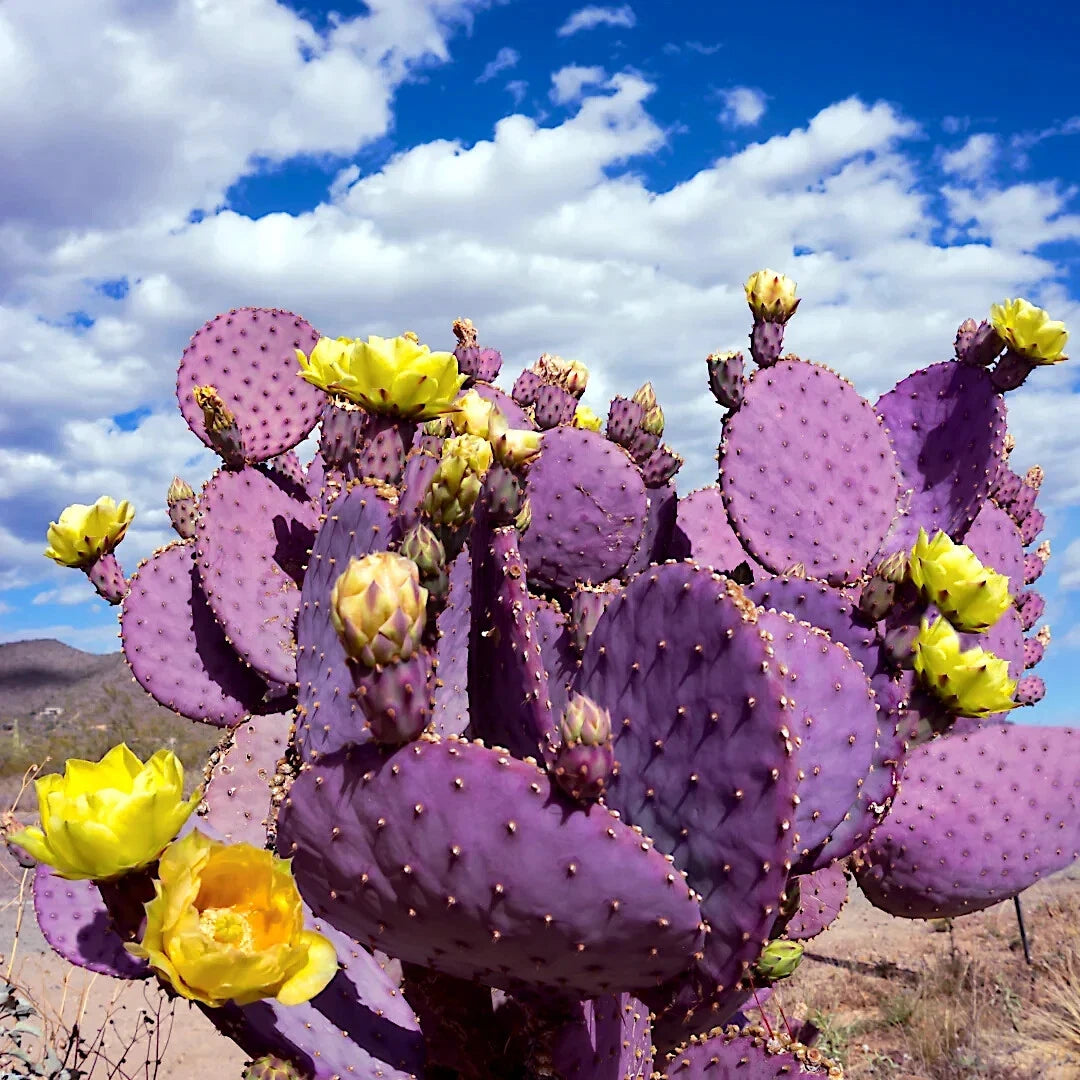
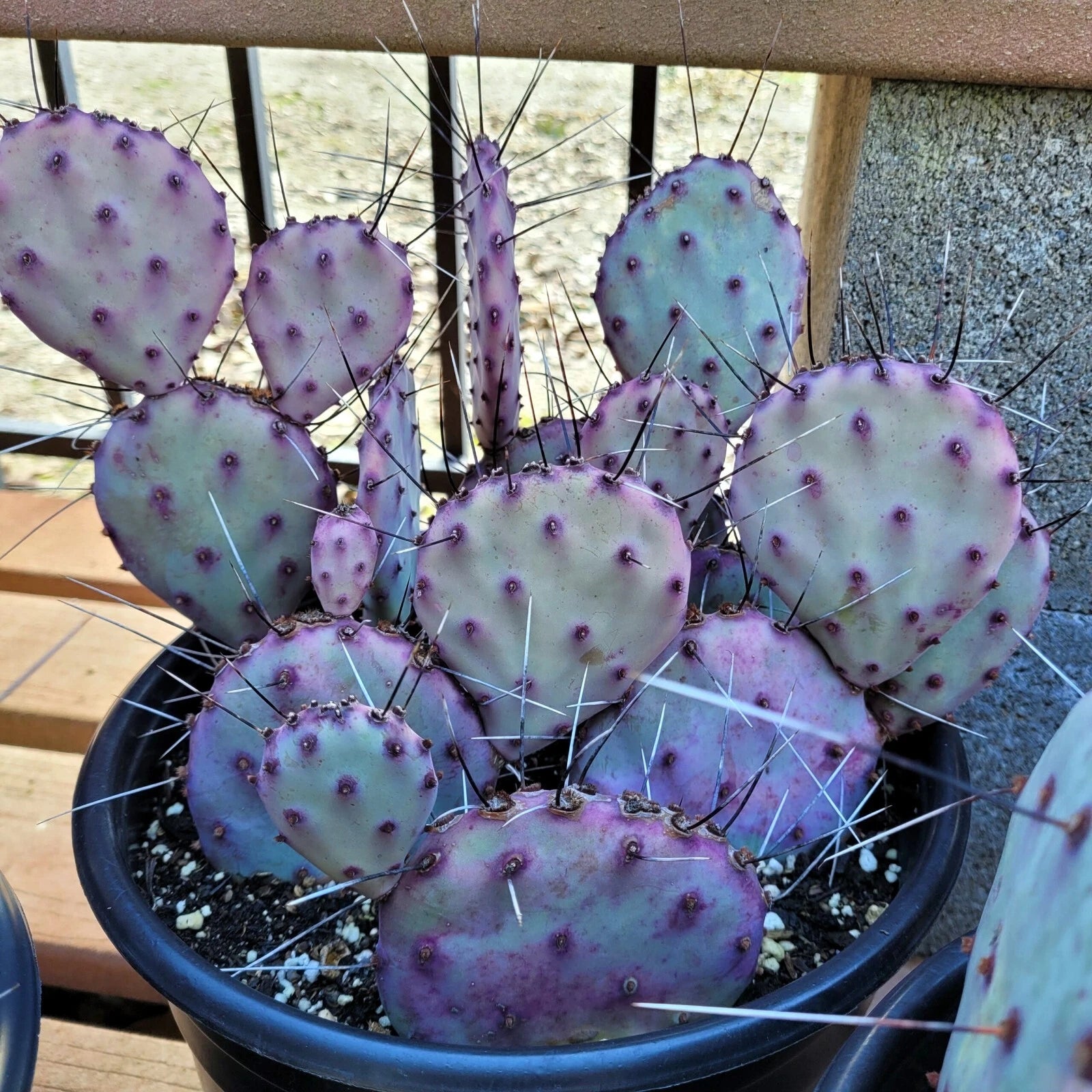
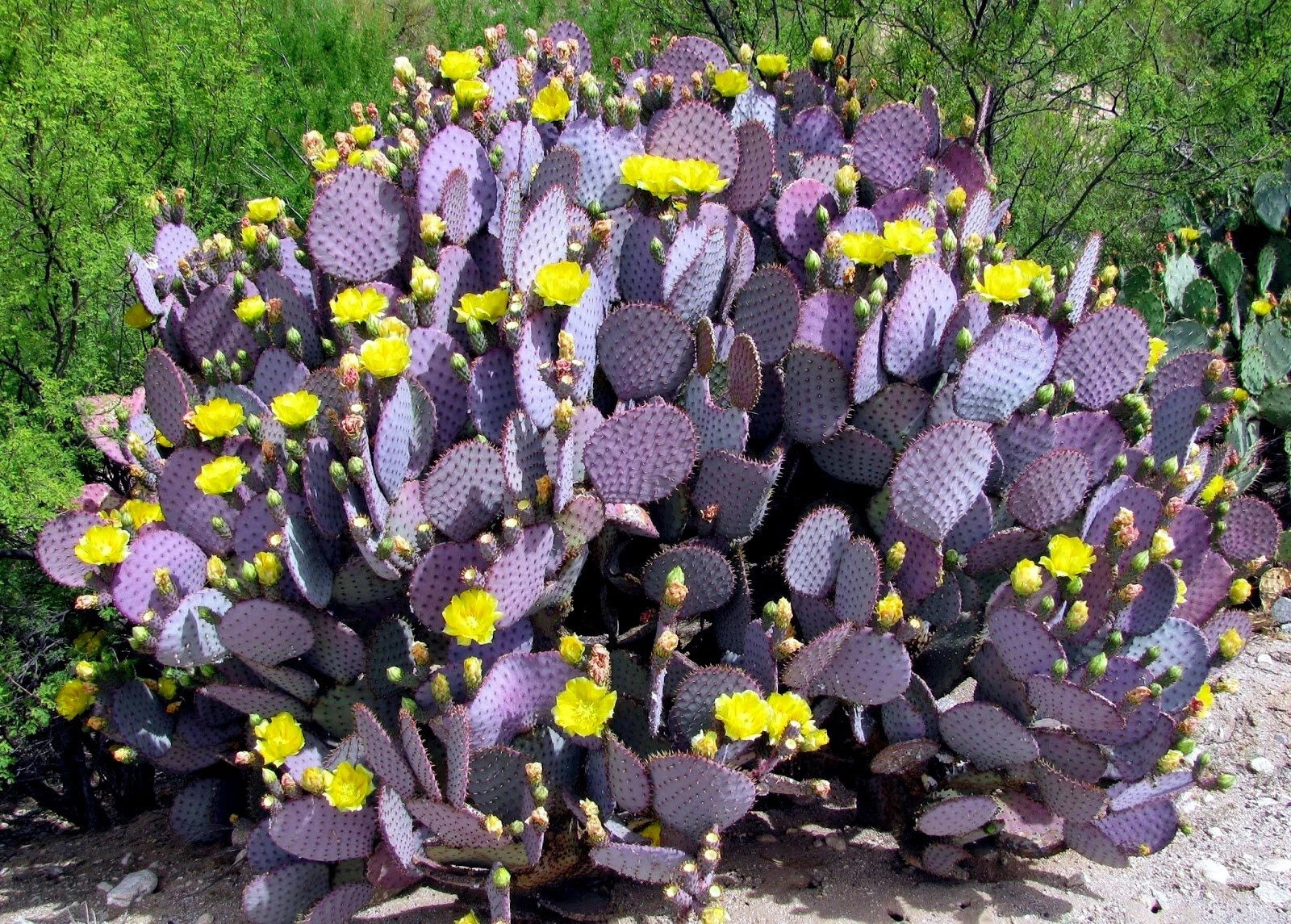
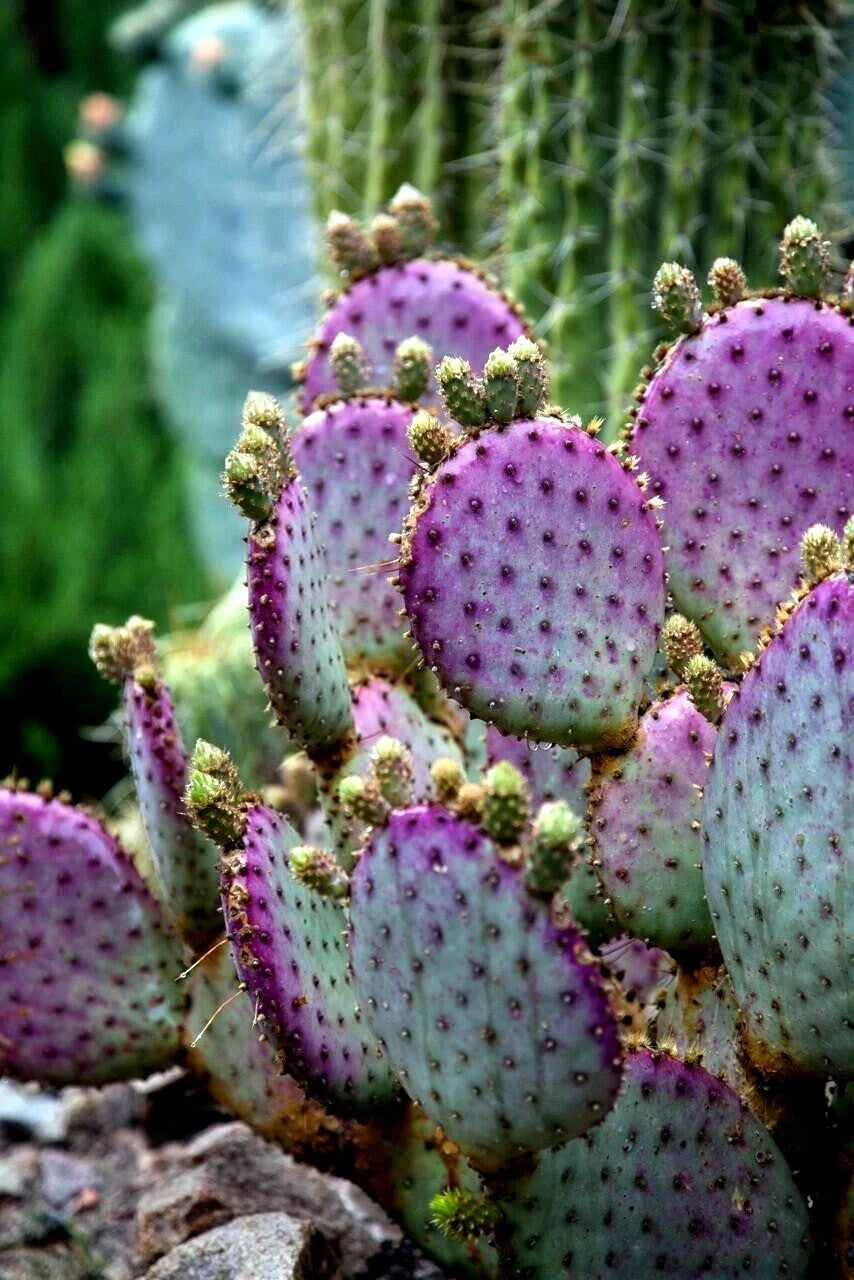
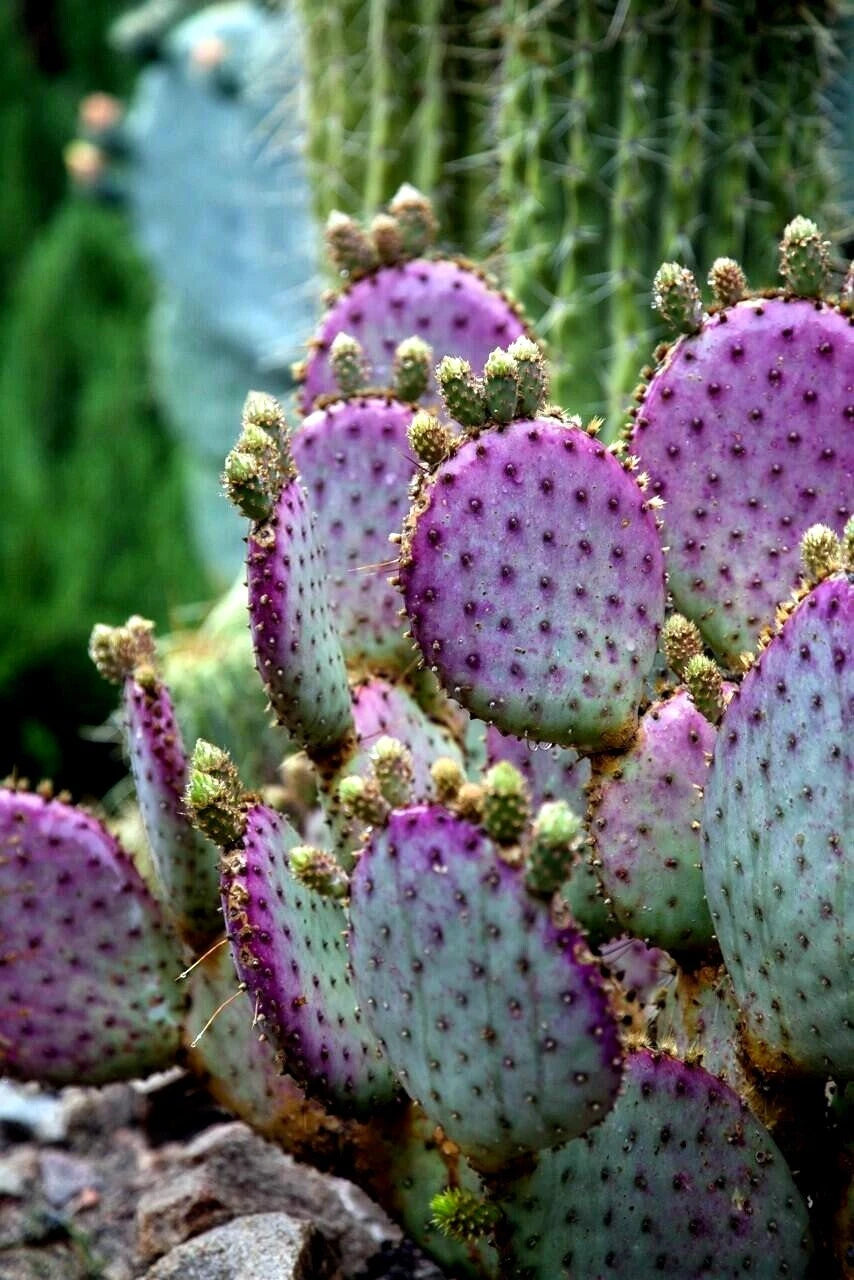
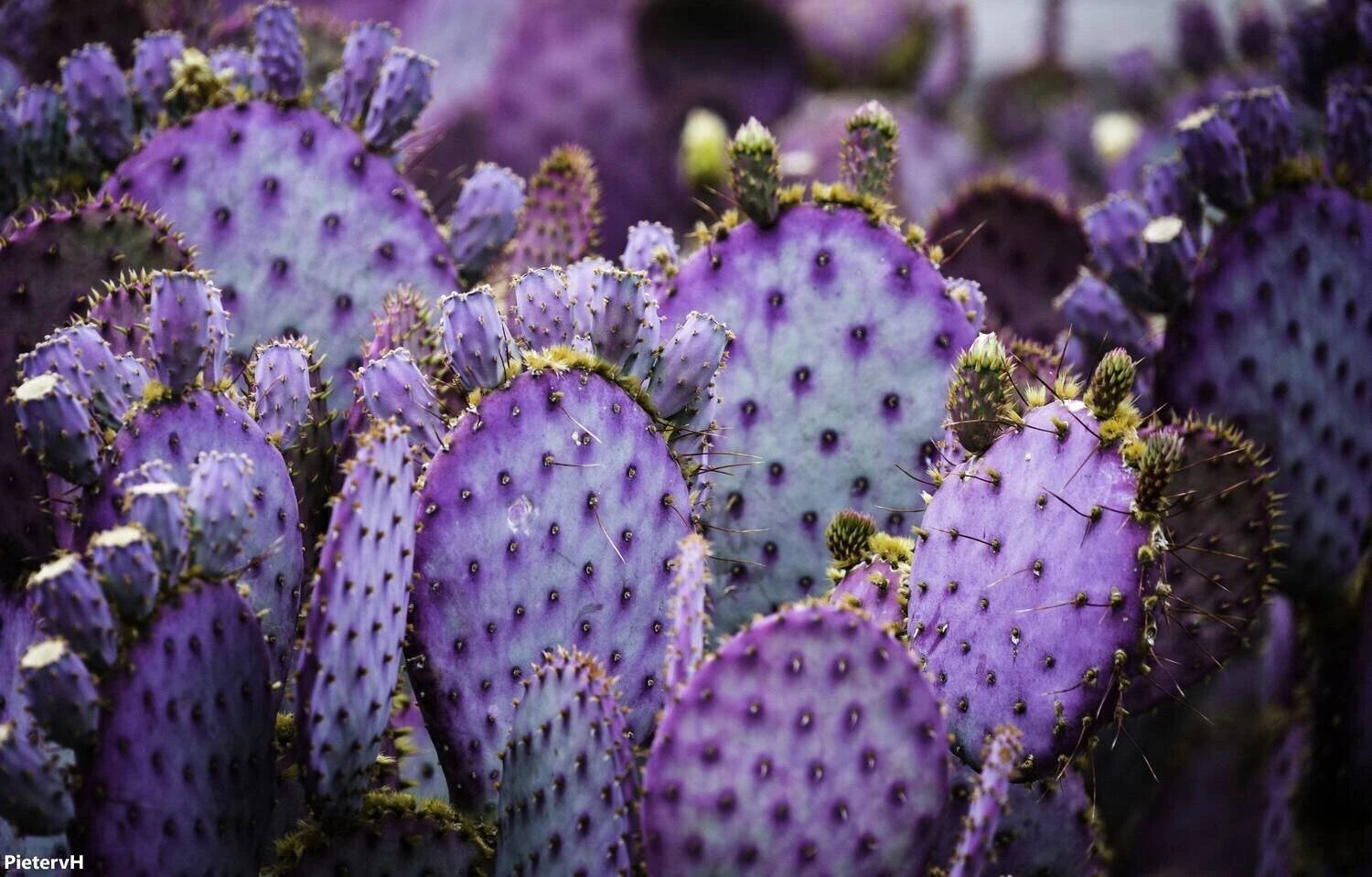
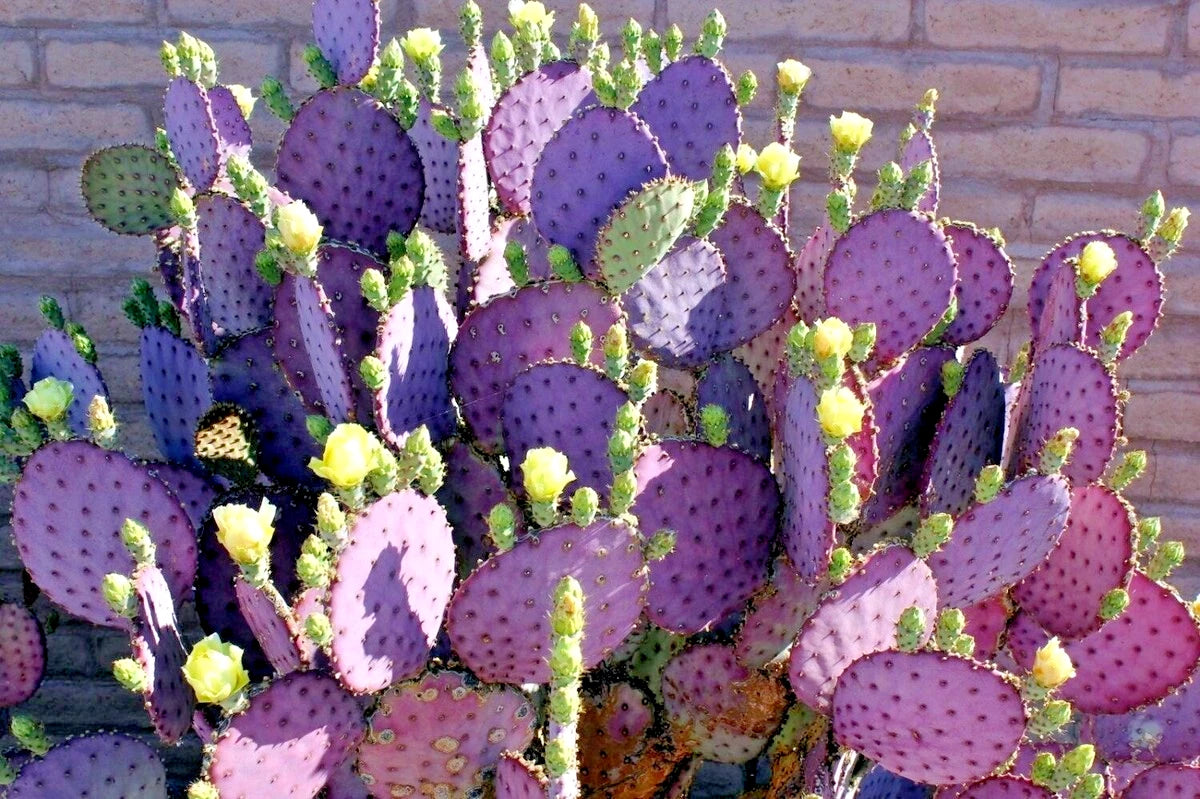
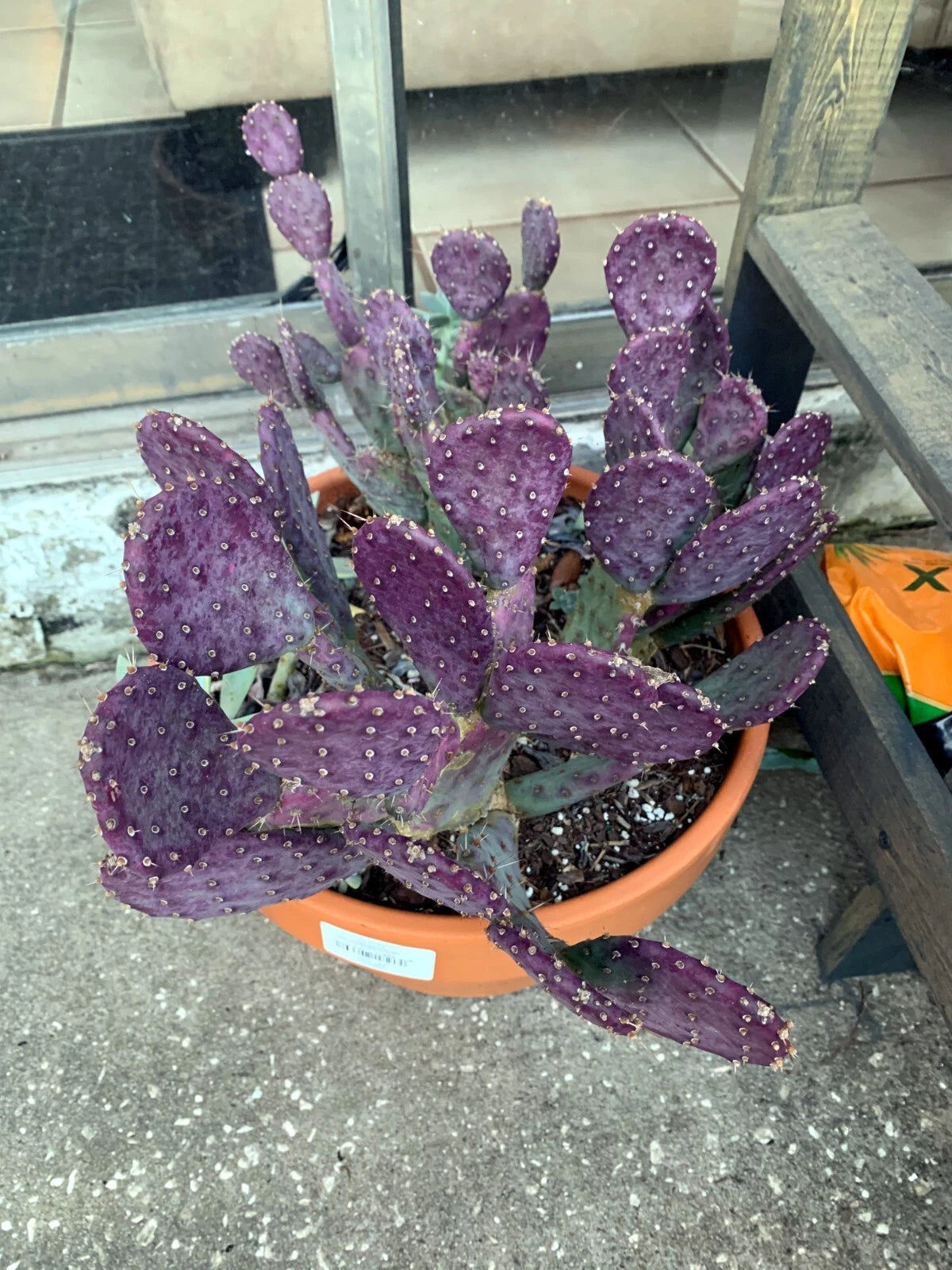
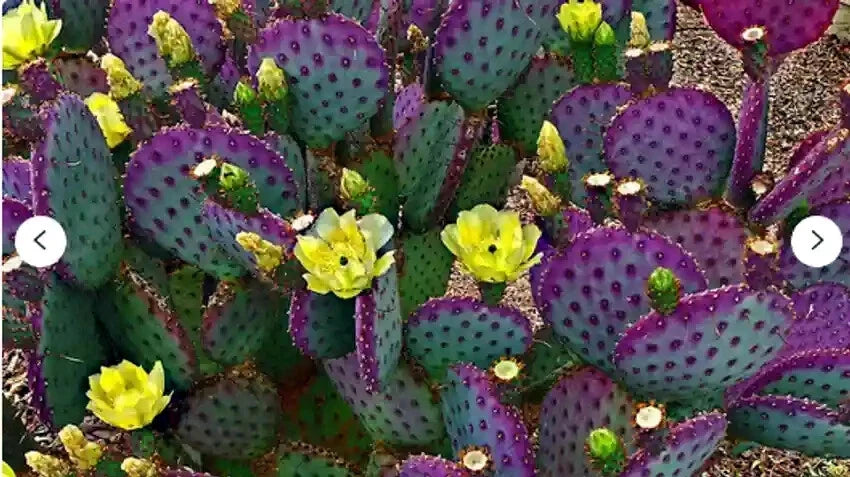
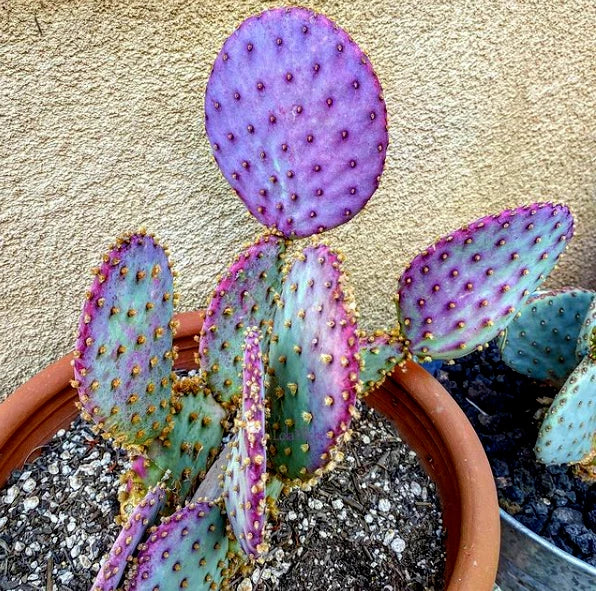
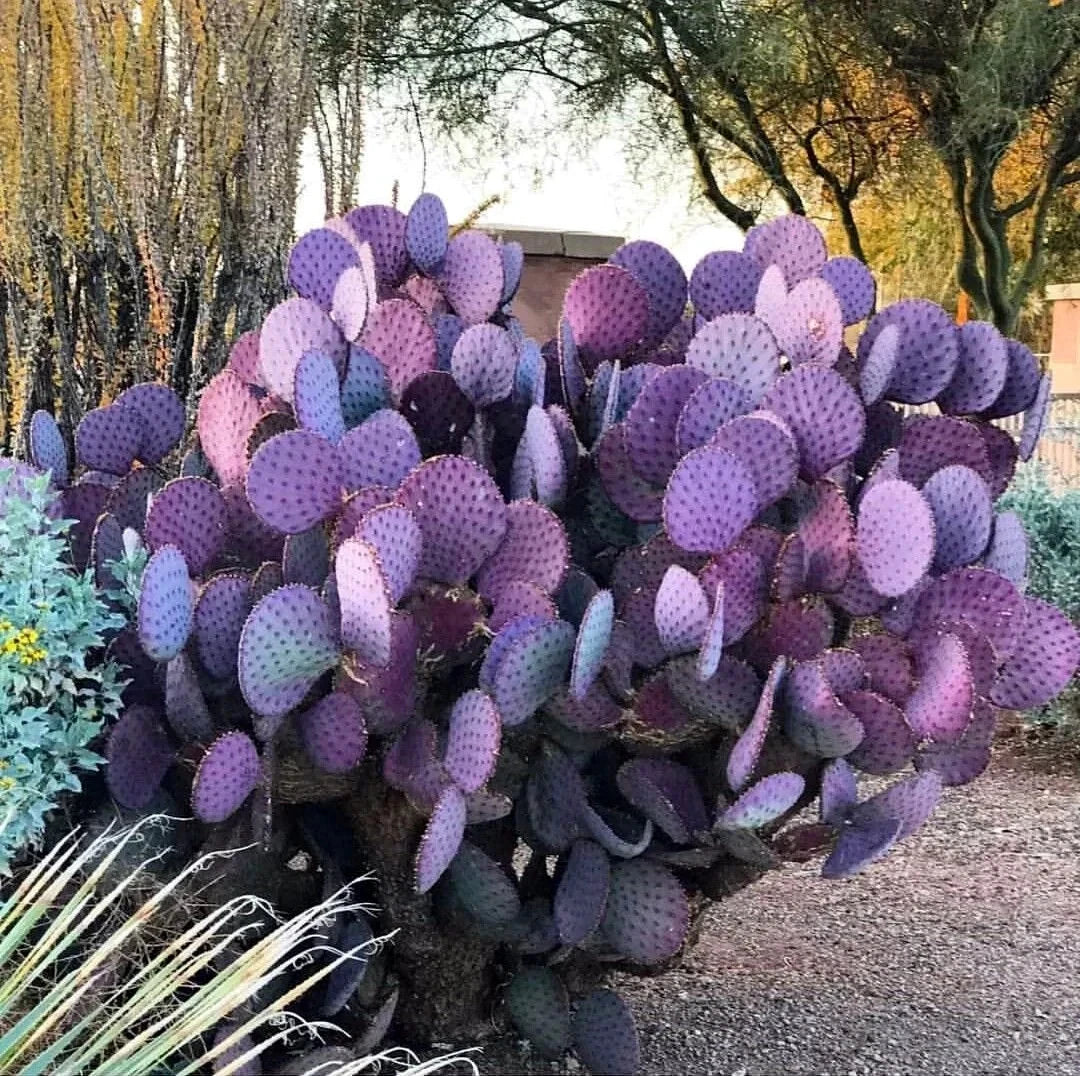
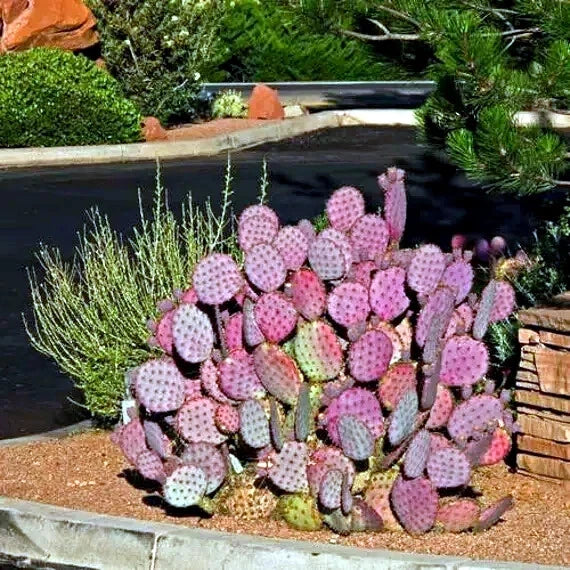
Opuntia santarita seeds, also known as the Santa Rita Prickly Pear Cactus – a rare and striking cactus species that will make a stunning addition to any garden or collection. Native to the deserts of the southwestern United States, this species is known for its beautiful purple pads, which give it a distinctive, ornamental look. Whether you're a seasoned cactus collector or a gardening enthusiast looking to grow something unique, these seeds are the perfect choice for you!
Key Features:
-
Rare & Beautiful: The Opuntia santarita is a rare and highly sought-after cactus species. It’s famous for its vibrant, purple-tinted pads that turn an even deeper shade of purple when exposed to sunlight, making it a visually striking plant that stands out in any garden or cactus collection.
-
Edible Fruit: In addition to its ornamental value, the Santa Rita Prickly Pear produces sweet, edible fruit, commonly referred to as prickly pear. This fruit is not only delicious but also packed with vitamins and antioxidants, making it a great addition to your garden for culinary purposes.
-
Hardy & Drought-Tolerant: Perfect for desert landscapes or drought-resistant gardens, the Opuntia santarita thrives in hot, arid climates and is incredibly drought-tolerant once established. This hardy cactus is well-suited to withstand harsh conditions, requiring minimal water once it matures.
-
Fast Growing: With the right care, the Santa Rita Prickly Pear grows relatively quickly, producing its iconic purple pads and fruit within a few years. Its fast growth and resilience make it an excellent choice for both novice and experienced gardeners.
-
Growing Conditions:
-
To thrive, the Opuntia santarita requires specific growing conditions, though it’s a resilient and adaptable plant. Here’s what you need to know:
-
Light: This cactus needs full sun for optimal growth and to bring out its vibrant purple coloration. Ideally, it should receive at least 6-8 hours of direct sunlight each day.
-
Soil: Opuntia santarita prefers well-draining soil. A cactus or succulent mix works best, as this plant does not tolerate waterlogged conditions. Adding sand or perlite to your soil mix can improve drainage.
-
Watering: Like most cacti, the Santa Rita Prickly Pear is drought-tolerant once established. Water sparingly, allowing the soil to dry out completely between waterings. Overwatering can lead to root rot, so it’s important to keep the soil dry during the colder months.
-
Temperature: This cactus is best suited to warm climates but can tolerate light frosts once mature. It thrives in temperatures between 75-95°F (24-35°C) but can withstand occasional dips to around 30°F (-1°C) when established. If you're in a colder zone, consider growing it in a pot to bring indoors during winter.
-
Fertilizing: Fertilize sparingly during the growing season (spring through summer) with a balanced, diluted cactus fertilizer. Avoid fertilizing during the dormant winter months.
-
-
Opuntia santarita Germination:
1) Opuntia seeds have a tough coat. To help water enter, gently scarify:
Use sandpaper or a nail file to lightly scratch one spot. Or, carefully nick the edge with a sharp knife or scalpel. Don't go too deep—just enough to expose the inner layer. Wear gloves for safety.
2) Place in warm water (~100°F / 38°C) for 12–24 hours to soften the coat. Do not exceed 24 hours.
3) Use well-draining cactus mix or blend equal parts sand, perlite, and potting soil. Ensure containers have drainage holes.
4) Place seeds on soil surface — don’t cover. Light is needed to germinate. Press gently into soil. Space ~1–2 inches apart.
5) Cover with plastic wrap or use a humidity dome. Maintain 75–85°F (24–29°C).
6) Place in bright, indirect light. Grow lights: keep 6–8" above for 12–16 hrs/day.
7) Mist to keep moist, not soggy. Let soil slightly dry between mistings.
8) Sprouts appear in 2–12 weeks, but can take longer. Be patient—cactus seeds take time.
Germinación de Opuntia santarita:
- 1) Las semillas de Opuntia tienen una capa resistente. Para facilitar la penetración del agua, escarifique suavemente:
Use papel de lija o una lima de uñas para raspar ligeramente un punto. O bien, rasque con cuidado el borde con un cuchillo afilado o un bisturí. No profundice demasiado, solo lo suficiente para exponer la capa interna. Use guantes por seguridad.
2) Coloque en agua tibia (~100 °F / 38 °C) durante 12 a 24 horas para ablandar la capa. No exceda las 24 horas.
3) Use una mezcla para cactus con buen drenaje o mezcle partes iguales de arena, perlita y tierra para macetas. Asegúrese de que los recipientes tengan agujeros de drenaje.
4) Coloque las semillas sobre la superficie de la tierra, no las cubra. Se necesita luz para germinar. Presione suavemente sobre la tierra. Deje un espacio de ~2,5 a 5 cm entre ellas.
5) Cubra con film transparente o use un humidificador. Mantenga la temperatura entre 24 y 29 °C (75 y 85 °F).
6) Coloque en un lugar con luz brillante e indirecta. Luces de cultivo: Manténgalas a una altura de 15 a 20 cm durante 12 a 16 horas al día.
7) Rocíe para mantener la tierra húmeda, no empapada. Deje que la tierra se seque ligeramente entre rociados.
8) Los brotes aparecen en 2 a 12 semanas, pero pueden tardar más. Tenga paciencia: las semillas de cactus tardan en germinar.