

Description
Red Sealing Wax “Lipstick” Palm Seeds
Cyrtostachys renda
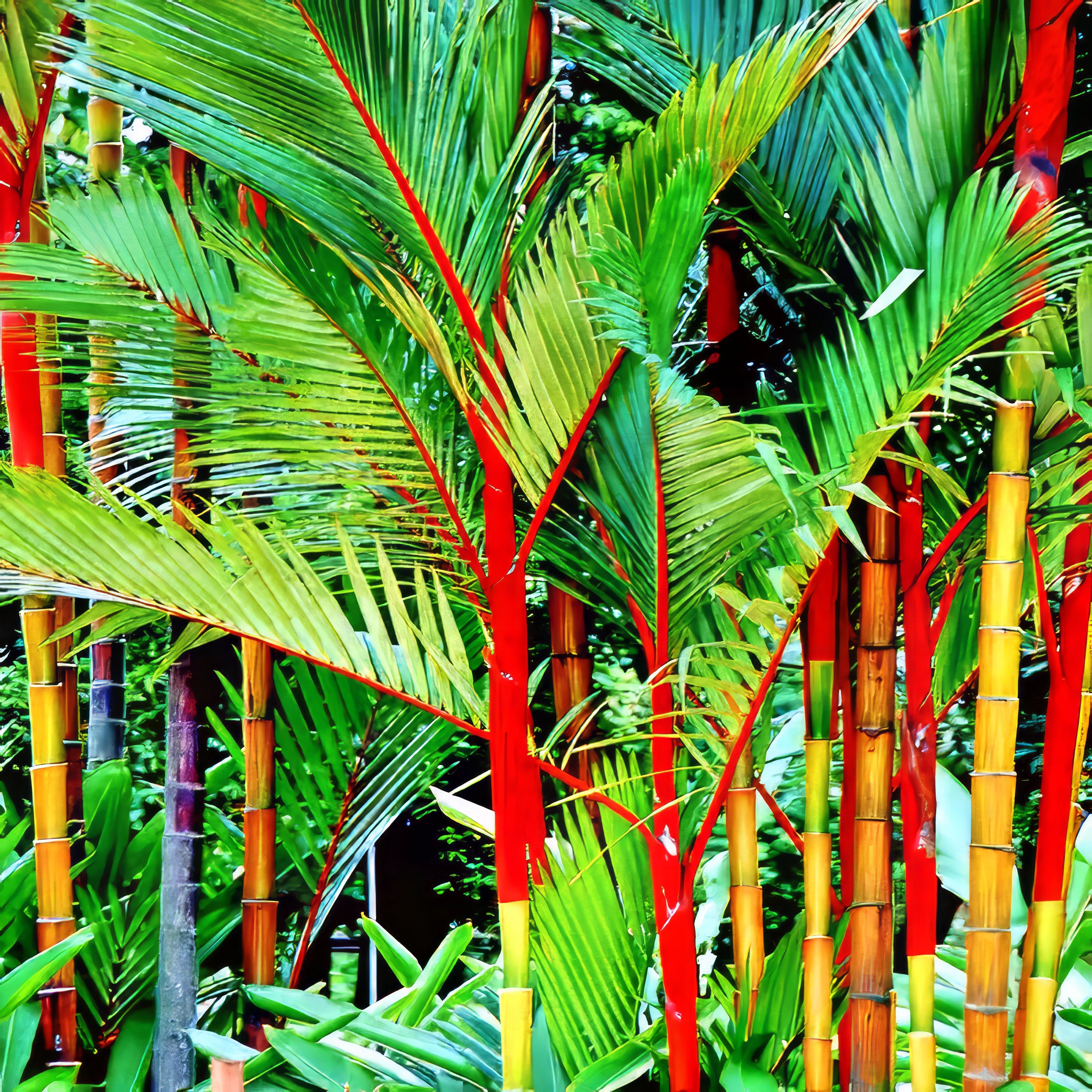
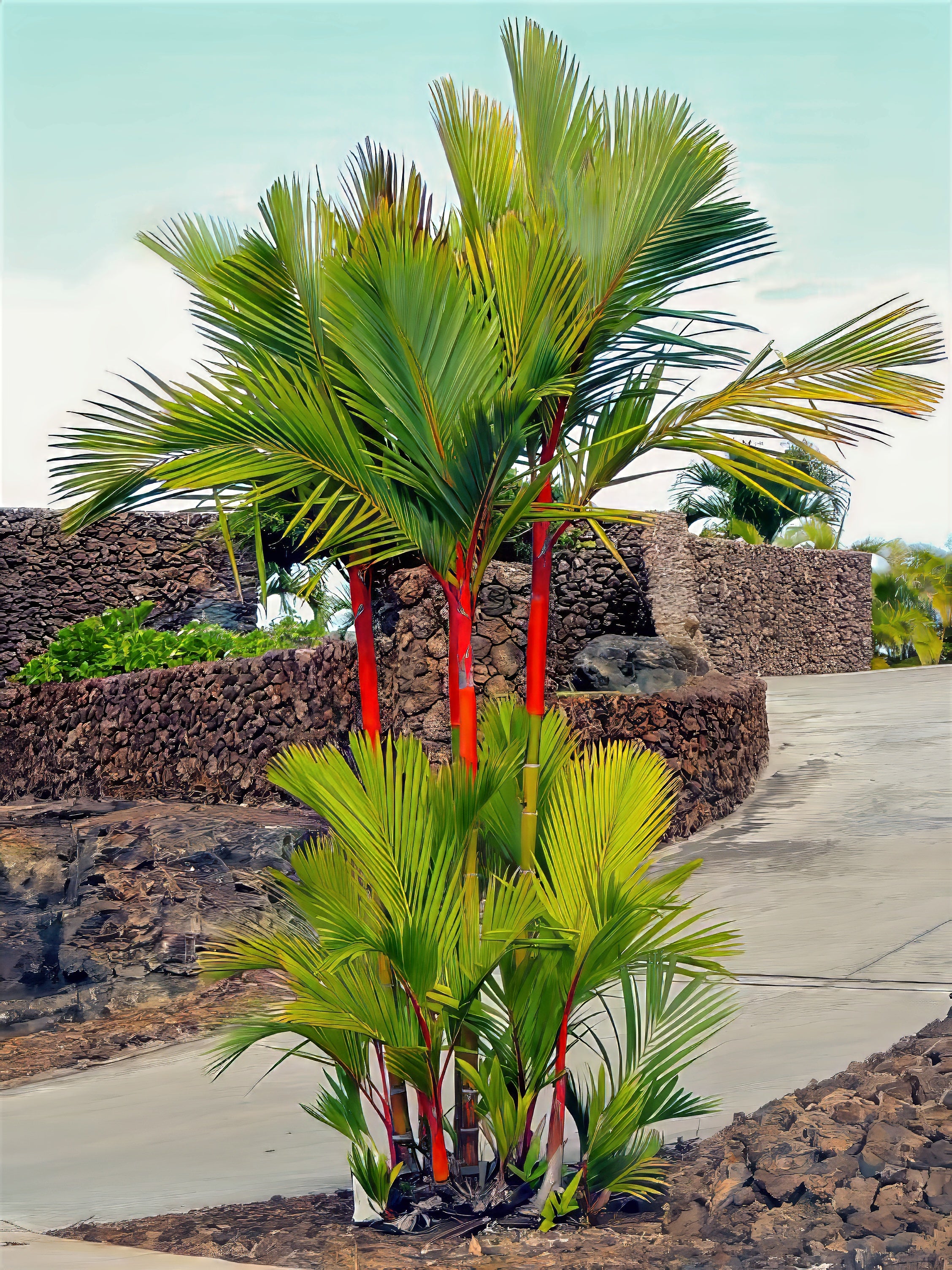
The Red Sealing Wax Palm, also known as the Lipstick Palm, is widely regarded as one of the most beautiful and ornamental palms in the world. Its brilliant, glossy red leaf sheaths and crown shafts create a striking contrast against its lush green fronds, making it a true showpiece in any setting.
This stunning feather palm is perfect for patios, gardens, parks, roadsides, and around pools, ponds, and other bodies of water. Thanks to its slow growth rate and relatively compact height, it also makes an excellent indoor houseplant, thriving for many years when grown in containers.
In its natural environment, the Red Wax Palm typically grows 8 to 15 feet tall with a spread of up to 10 feet, though under ideal tropical conditions it can eventually reach 40 to 50 feet over many years. Its vivid red coloration develops as the plant matures—often within a few months in warm tropical climates, though this process may take longer in cooler environments.
🌿 Key Features:
-
Botanical Name: Cyrtostachys renda
-
Common Names: Red Sealing Wax Palm, Lipstick Palm
-
Foliage: Feather palm with vivid red crown shafts
-
Growth Rate: Slow-growing
-
Height: 8–15 ft typical; up to 40–50 ft in ideal conditions
-
Origin: Malaysia; introduced to Costa Rica, Puerto Rico, and other tropical regions
-
Hardiness: USDA Zones 10b–12
-
Light: Bright overhead light required, especially indoors
-
Temperature: Cold-sensitive; best kept above 50°F (established plants may tolerate upper 30s briefly)
-
Soil: Rich, moist, loamy soil
-
Feeding: Monthly fertilization with a balanced plant food
When provided with bright light, consistent warmth, and regular feeding, the Red Lipstick Palm becomes a spectacular indoor specimen and a true gem in any plant collection. Rare, exotic, and undeniably eye-catching, this palm is well worth the effort for collectors and tropical plant enthusiasts alike.
Red Wax Palm Germination:
1) Scarify the seeds by rubbing the outer shell with sandpaper.
2) Soak them in warm water for 4 days, being sure to change the water daily. Use a thermos to keep the water warm.
3) Lightly press them into the top of a "sterile & well draining" potting mix. Do Not Bury, just leave part of the seed exposed as they need light in order to germinate.
4) Cover the seed tray with a piece of plastic to help retain moisture.
5) But sure to use a heated propagator mat to keep the temperature around 85 degrees F.
6) Every few days, remove the plastic and mist with a spray bottle if it starts to dry. They have to stay moist, not wet.
7) As with any other tropical, germination is erratic & patience is needed. If you're lucky, you may have a few pop up with a few weeks to a month, but most can take all the way up to a year at the longest so don't toss out any that don't sprout quickly. They're still good and just need time.
8) Periodically check the seeds when misting them to see if any mold of fungus is spotted. If you spot it on the seeds, just clean them with a copper based fungicide, and replace on top of a new sterile and moist mix again.
These Rare & Gorgeous Palms are Definitely Worth the Wait!
Germinación de la palma de cera roja:
1) Escarifique las semillas frotando la cáscara exterior con papel de lija.
2) Remójelas en agua tibia durante 4 días, asegurándose de cambiar el agua a diario. Use un termo para mantener el agua tibia.
3) Presiónelas suavemente sobre una mezcla para macetas "estéril y con buen drenaje". No las entierre, solo deje una parte de la semilla expuesta, ya que necesitan luz para germinar.
4) Cubra la bandeja de semillas con un trozo de plástico para ayudar a retener la humedad.
5) Pero asegúrese de usar una estera de propagación calentada para mantener la temperatura alrededor de 85 grados F.
6) Cada pocos días, retire el plástico y rocíe con una botella rociadora si comienza a secarse. Deben permanecer húmedas, no mojadas.
7) Como con cualquier otra planta tropical, la germinación es errática y se necesita paciencia. Si tienes suerte, es posible que aparezcan algunas en unas pocas semanas o un mes, pero la mayoría puede tardar hasta un año como máximo, así que no deseches ninguna que no brote rápidamente. Todavía están buenas y solo necesitan tiempo.
8) Revisa periódicamente las semillas cuando las rocíes para ver si hay moho u hongos. Si lo ves en las semillas, simplemente límpialas con un fungicida a base de cobre y vuelve a colocarlas sobre una nueva mezcla húmeda y estéril.
¡Estas raras y hermosas palmeras definitivamente valen la pena la espera!