Chinese Windmill Fan Palm Seeds – Trachycarpus fortunei
Most Cold-Hardy Palm Tree • Chinese Windmill Palm
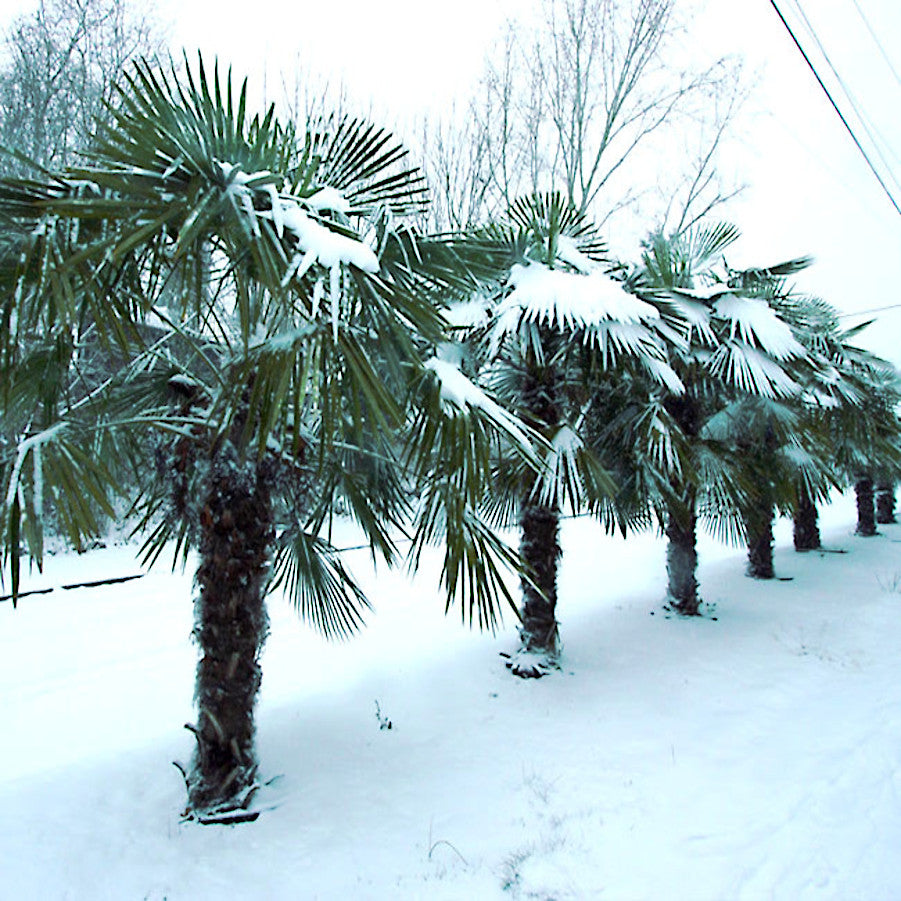
Bring a touch of tropical elegance to your garden, even in colder climates, with Windmill Fan Palm Seeds (Trachycarpus fortunei). Known as the most cold-hardy arborescent palm in the world, this resilient species thrives in USDA Zone 7 and above, surviving frost, snow, and harsh winter conditions. Perfect for landscaping, ornamental planting, or container growing, these seeds will produce a slow-growing yet striking fan palm that adds a bold, tropical statement to any space.
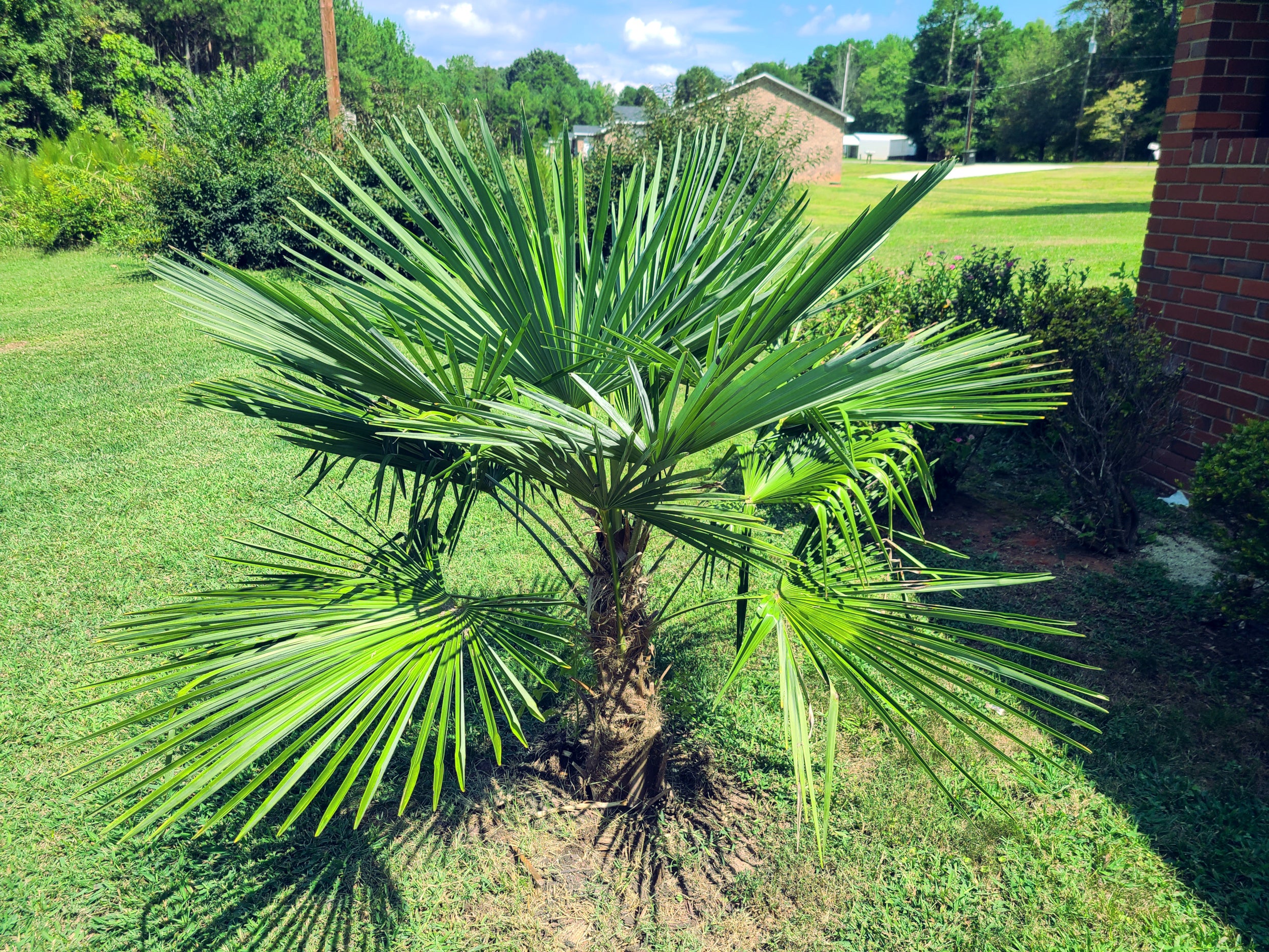
The Windmill Palm features fan-shaped leaves with long petioles and multiple leaflets arranged in a rounded fan, forming a classic tropical silhouette. Mature palms develop a thick, fibrous trunk and can reach 39–66 feet tall, producing large panicles of fragrant flowers in spring. Hardy, adaptable, and visually striking, the Chinese Windmill Palm is ideal for both gardens and indoor container cultivation in colder regions.
🌿 Key Features:
-
Height: 39–66 feet (mature)
-
Foliage: Fan-shaped leaves; long petioles with leaflets
-
Flowers: Branched panicles, fragrant, spring bloom
-
Hardiness: USDA Zones 7+; survives snow and frost
-
Sun: Full sun to partial shade
-
Soil: Well-draining; amend clay with sandy compost for optimal growth
-
Water: Moderate; more frequent in summer, minimal in winter
-
Container Friendly: Can be grown indoors or moved indoors in colder months
Why Grow Windmill Fan Palm?
-
Most cold-hardy palm species available
-
Iconic fan-shaped foliage for tropical aesthetics
-
Ideal for landscaping, container planting, or ornamental collections
-
Hardy, low-maintenance, and adaptable to a variety of climates
Windmill Palm Germination:
1) Fill a bowl with warm water, add the seeds, and allow them to soak for about three days. Change the water on a daily basis. Soaking the seeds increases their chance of germinating, and may speed up the germination process.
2) Put on waterproof gloves, pick up the seeds, and quickly dip them in a solution of one part household bleach to 10 parts water. Rinse the seeds with water. This process sterilizes the seeds, and reduces the chance of a fungal growth.
3) Use a well mixed & well draining potting soil. Plant only 1/4" deep with soil firmly pressed over them. Use a spray bottle to keep it moist but not wet. Avoid overwatering, because this can cause the seeds to rot.
4) Seal the pots with a piece of plastic tightly. This promotes the soil moisture retention during the germination process.
5) Use a heated propagator to keep the soil between 64 to 70 degrees F. Expect the seeds to germinate within eight to 12 weeks.
6) Remove the glass pane or plastic bag, as soon as germination sets in. Place the pot near a sunny window, so it's indirectly exposed to sunlight.
Germinación de la palma de molino de viento:
1) Llene un recipiente con agua tibia, agregue las semillas y déjelas en remojo durante unos tres días. Cambie el agua a diario. Remojar las semillas aumenta las posibilidades de germinación y puede acelerar el proceso.
2) Póngase guantes impermeables, recoja las semillas y sumérjalas rápidamente en una solución de una parte de lejía doméstica por diez partes de agua. Enjuague las semillas con agua. Este proceso esteriliza las semillas y reduce la posibilidad de que crezcan hongos.
3) Use una tierra para macetas bien mezclada y con buen drenaje. Plante a sólo 1/4" de profundidad con tierra bien presionada sobre ellas. Use una botella rociadora para mantenerla húmeda pero no mojada. Evite regar en exceso, porque esto puede hacer que las semillas se pudran.
4) Sella bien las macetas con un trozo de plástico. Esto promueve la retención de humedad de la tierra durante el proceso de germinación.
5) Use un propagador calentado para mantener la tierra entre 64 y 70 grados F. Espere que las semillas germinen dentro de ocho a 12 semanas.
6) Retire el panel de vidrio o la bolsa de plástico, tan pronto como se establezca la germinación. Coloque la maceta cerca de una ventana soleada, de modo que esté expuesta indirectamente a la luz solar.